
What Is the Most Expensive Pounamu?
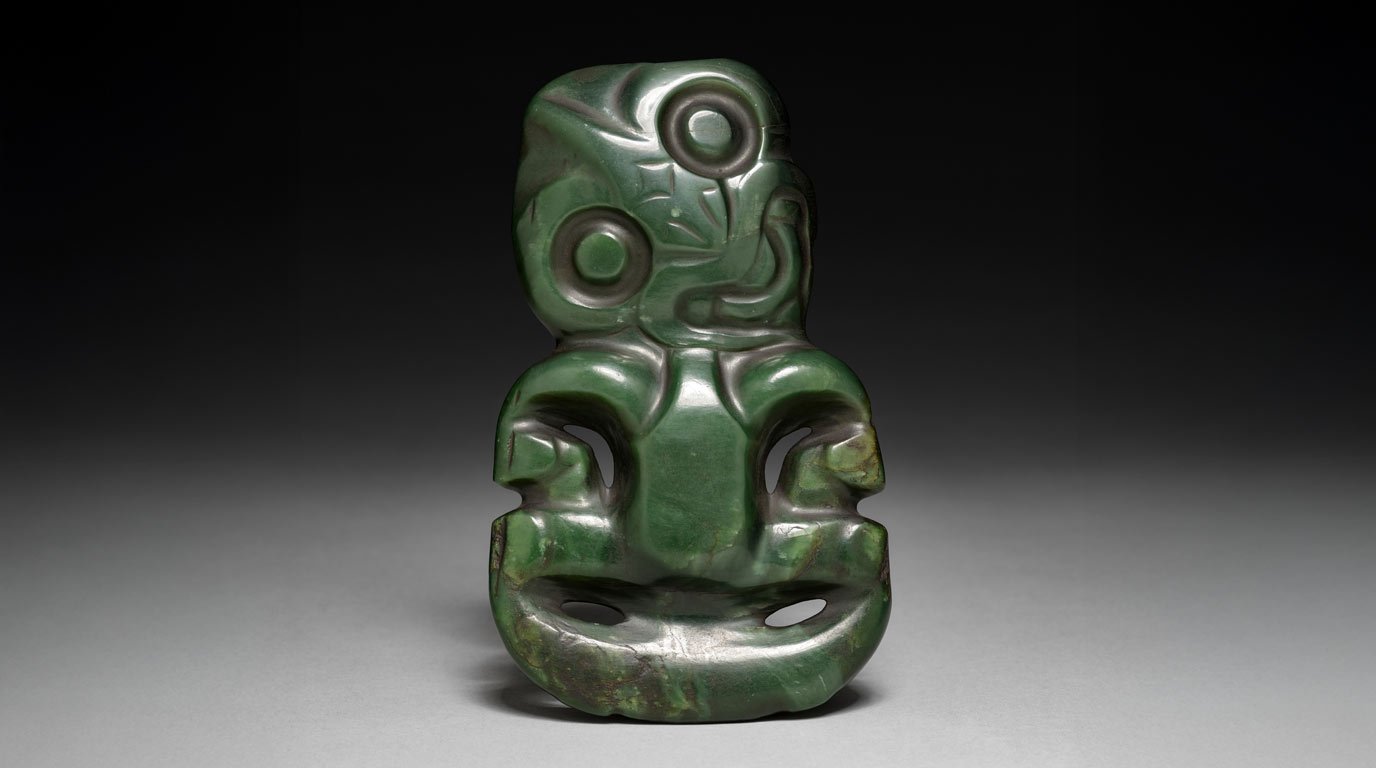
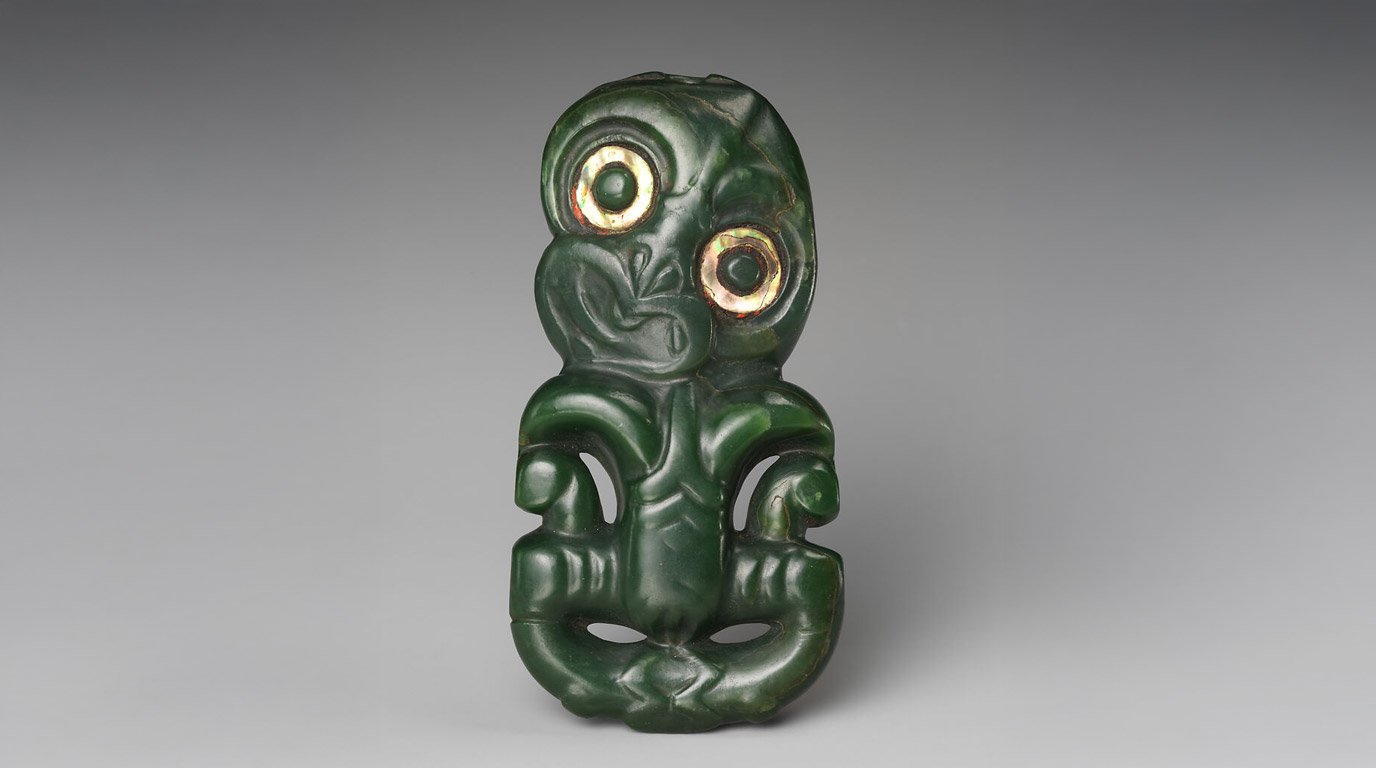
The highest prices ever paid for pounamu have been for historic hei tiki, mere (short clubs) and other carved taonga, usually made before or shortly after European contact. A hei tiki sold at Sotheby's in New York in 2008 for a reported NZ$165,290, and in 2022 Bonhams in New York sold a hei tiki dated to between 1600 and 1850 for US$94,875 including buyer's premium. Major auction houses regularly place estimates in the tens of thousands on fine examples.
For context, the record for any Māori artwork is held by carved wooden figures rather than pounamu. A carved figure of a tattooed woman was reported to have sold for NZ$3.7 million, well above the NZ$2.28 million paid at Sotheby's in 2014 for a similar pou whakairo. Pounamu taonga sit below these records, but they remain among the most sought-after objects in the Oceanic art market.
Public auction results are only part of the picture. Many important pieces change hands privately, are held by whānau and iwi, or sit in museum collections, so no single "most expensive pounamu" can be named with certainty.
Why Historic Taonga Command the Highest Prices
Age alone does not explain these prices. In Māori tradition, taonga with known histories are understood to carry their own mana, built up through the people who wore and passed them down. The most prized pieces were often gifted to seal important agreements, and that layered history is what collectors are really competing for.
The labour involved also sets these pieces apart. Before metal tools, pounamu was worked with sandstone and cord drills, and Bonhams' catalogue for its 2022 sale cites research estimating that a hei tiki could take 500 to 1,000 hours to make, depending on size. Hei tiki were worn by high-ranking men and women, so the finest examples tend to combine excellent stone with exceptional carving.
The Law Around Buying Historic Pounamu
Old Māori objects are not a free market inside New Zealand. Under the Protected Objects Act 1975, privately owned taonga tūturu (Māori cultural objects more than 50 years old) can only be sold or gifted to a registered collector or a public museum. Before sale through a licensed auctioneer or dealer, each piece needs a certificate of examination, known as a "Y" registration, from one of four authorised museums: Auckland Museum, Te Papa, Canterbury Museum or Otago Museum.
Taking a protected object out of the country also needs permission from Manatū Taonga, the Ministry for Culture and Heritage. The Act cannot stop sales of taonga already held overseas, which is why pieces at London, Paris and New York auctions sometimes draw calls for their return. Ngāti Whātua Ōrākei, for example, publicly asked Sotheby's to return taonga offered in a London sale that included a carved pounamu mere estimated at £24,000 to £40,000.
Which Types of Pounamu Are Most Valuable?
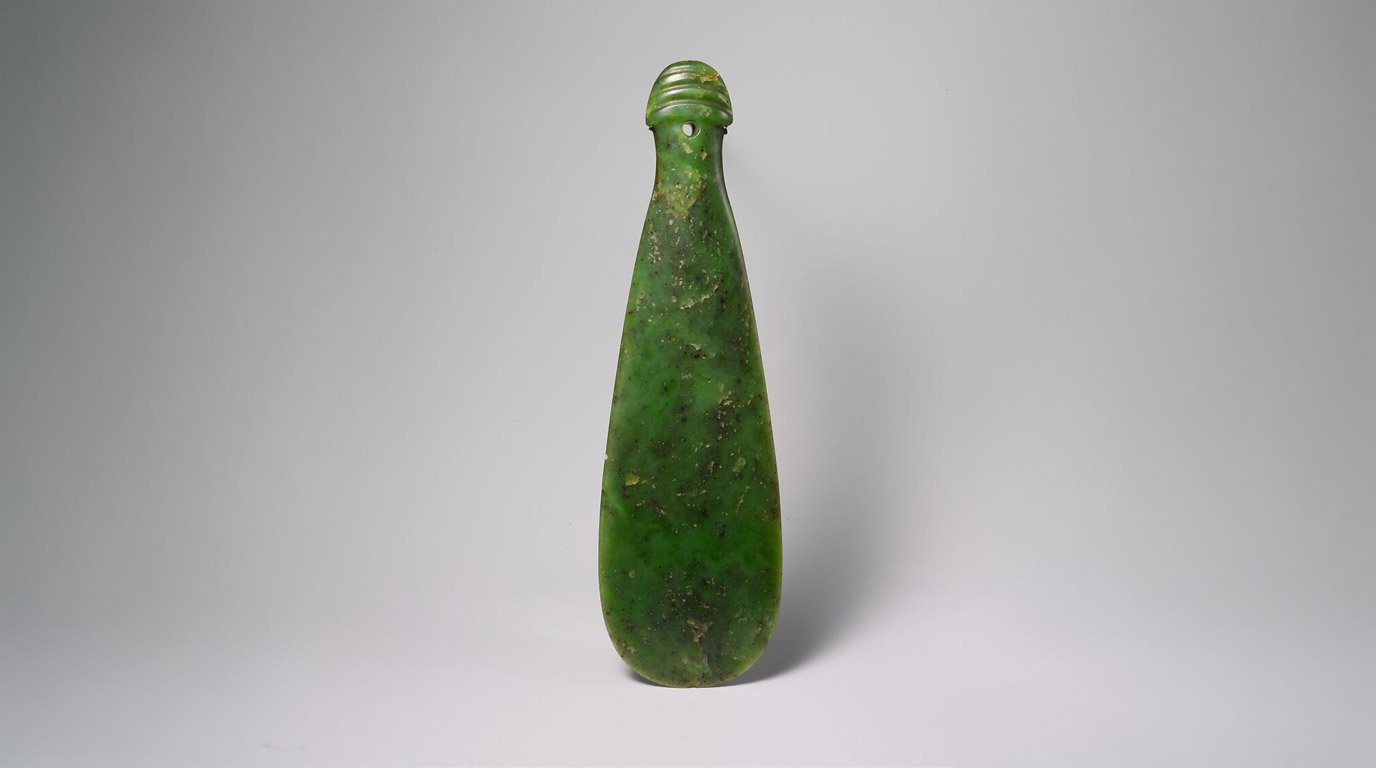
For newly carved pieces, the variety of stone makes a real difference. Kahurangi is described by Te Papa as the rarest variety of pounamu: highly translucent, vivid green, and clear enough that any cloud-like markings must not reduce its clarity. It was the preferred stone for the blades of toki poutangata, the ceremonial adzes held by rangatira, and it typically costs more than the same design in other varieties.
Other varieties that tend to sit at the top of the price range include Tahutahi, the "snowflake" pounamu from the Cascade Plateau that was first offered for legal sale in December 2024, along with rarer colour variations such as totoweka and putiputi (flower jade). Kawakawa, the most common variety, is generally the most accessible. Our guide to the rarest pounamu covers each of these in detail.
What Sets the Price of a Modern Carving
When comparing two pieces in a gallery, these are the factors that usually explain the difference in price:
Raw stone sets the baseline. The Spinoff has reported that raw pounamu ranges from about $220 to $2,200 per kilogram depending on quality, and only a small part of a boulder is usually clear and flaw-free enough for fine work. Ngāi Tahu sells raw stone to registered carvers within New Zealand rather than to overseas buyers, and exporting more than five kilograms of raw or partly worked pounamu is prohibited without approval from the Minister of Customs.
Verified origin adds value too. Ngāi Tahu's former regional development manager John Reid has said that pounamu carrying the Ngāi Tahu authentication mark fetches a 30% to 100% premium over competing stone. A large, complex carving in kahurangi by a well-known carver can cost many times more than a small kawakawa pendant, even though both are genuine pounamu. If you would rather invest time than money, you can also carve your own pounamu with a local carver.
Is Expensive Pounamu Always Genuine?
No. A high price is not proof of authenticity. Nephrite from Canada, Russia and elsewhere is sometimes sold as "greenstone", and the black market for stolen New Zealand stone is an ongoing problem for Ngāi Tahu, which has held legal ownership of natural-state pounamu in its takiwā since the Ngāi Tahu (Pounamu Vesting) Act 1997.
The most reliable check is provenance. Pieces made from authenticated Ngāi Tahu pounamu carry a mark and a unique code that can be looked up, and a reputable seller will tell you where the stone came from and who carved it. See our guide on how to tell if pounamu is real before spending serious money on any piece.