
Types of Pounamu
Not every green stone sold as "pounamu" actually is, and not every genuine pounamu is the deep green most people picture. Knowing the different types is the first step to buying with confidence.
This hub covers the main varieties of pounamu found in New Zealand, and clears up the confusion between pounamu, jade, and the generic term "greenstone" used to describe similar-looking stone from other parts of the world. Once you know what you're looking at, our Authenticity guides cover how to confirm it's genuine.
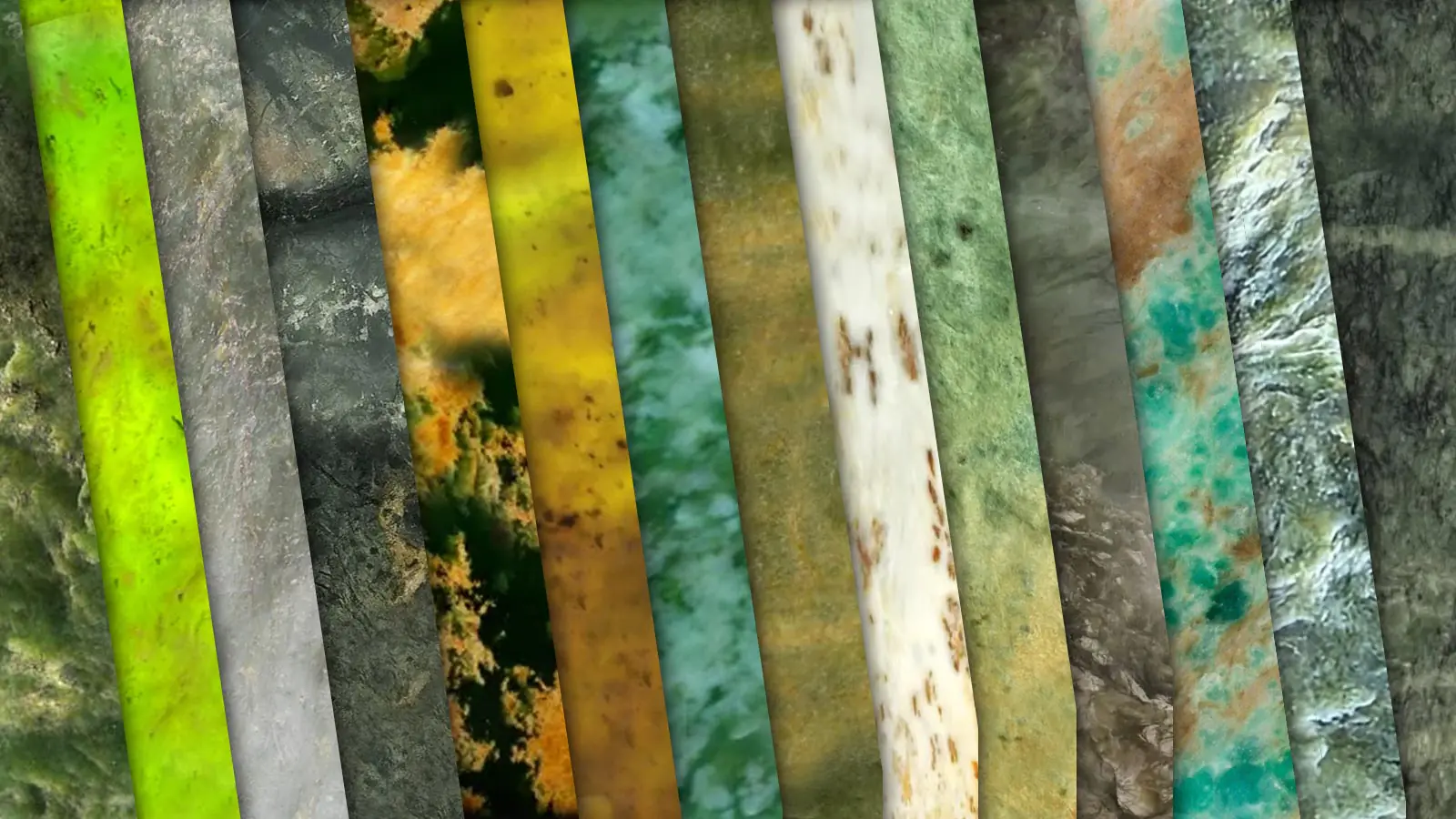
Types of Pounamu
The main varieties of pounamu found in New Zealand, from kawakawa to kahurangi.
Read Guide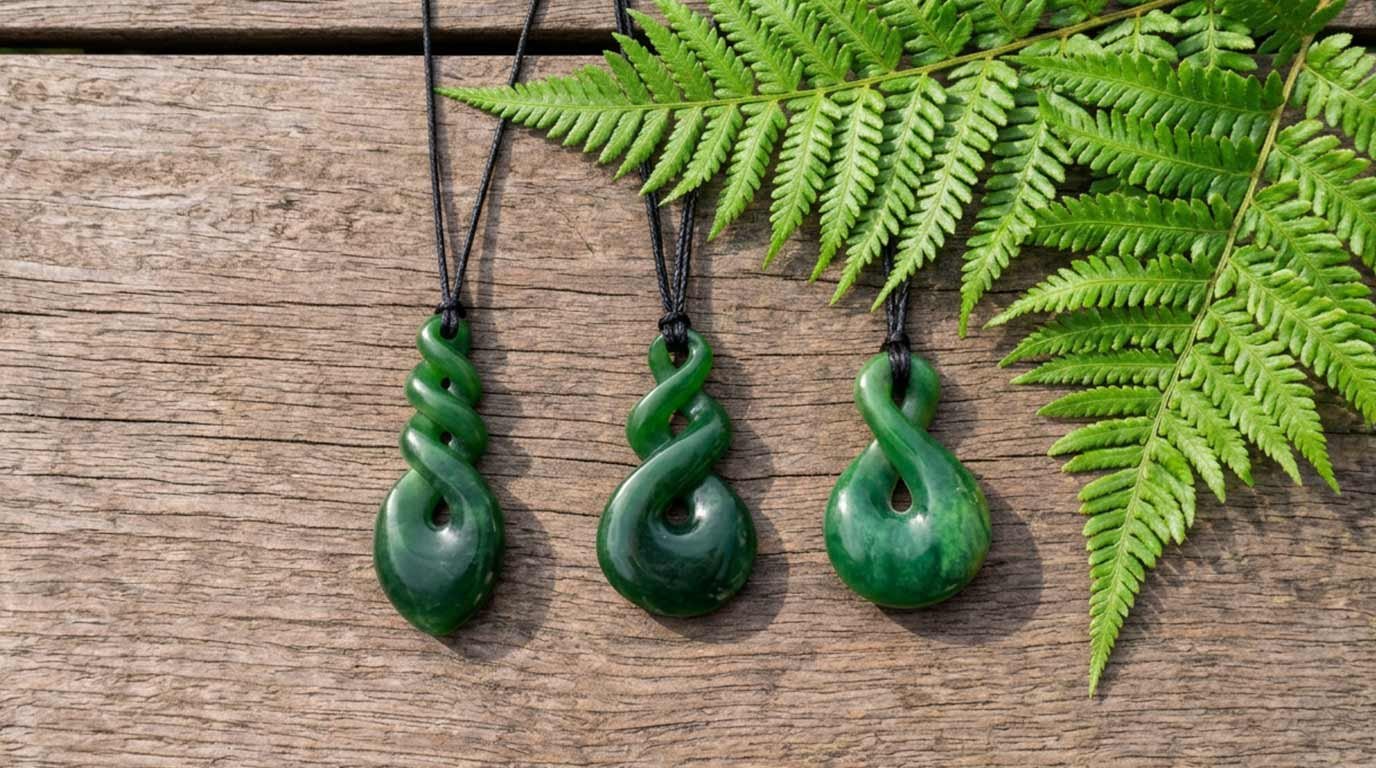
Pounamu vs Jade vs Greenstone
Clearing up the difference between these three commonly confused terms.
Read Guide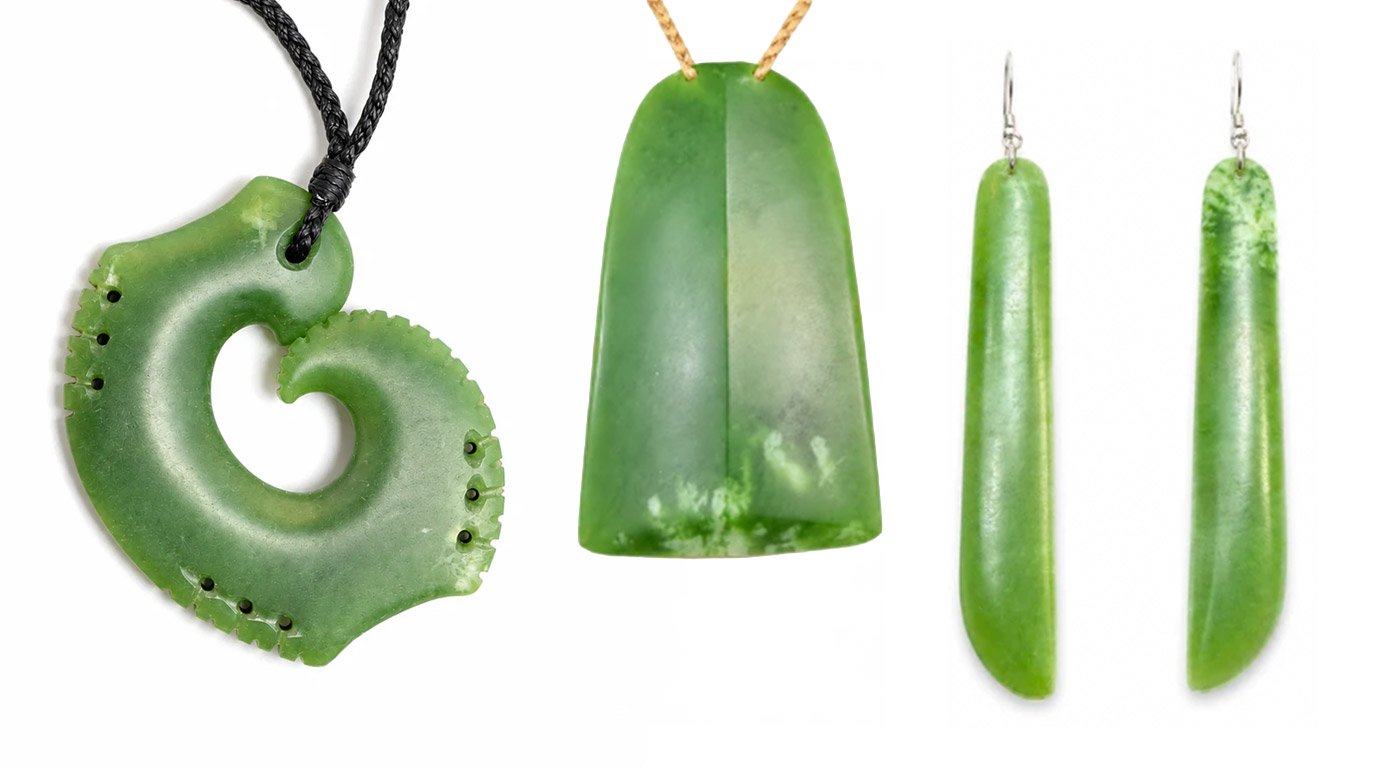
The Rarest Pounamu
Kahurangi, Tahutahi and the other scarce varieties, where they come from and what to check before buying.
Read Guide
Looking for Authentic Pounamu?
Browse trusted carvers, galleries, and shops from across New Zealand in our directory.
Browse All ListingsFrequently Asked Questions About Types of Pounamu
Pounamu occurs in several varieties, ranging from deep, uniform green to pale, translucent stone and even black. See our full types of pounamu guide for a breakdown of each.
Most pounamu is a form of nephrite jade, but the two terms aren't perfectly interchangeable, and not everything sold overseas as "jade" is genuine pounamu. Our guide on pounamu vs jade vs greenstone explains the distinction.
Not always. "Greenstone" is often used loosely to describe any green stone, including material that isn't genuine New Zealand pounamu. Checking the source and seller matters more than the label alone; see our pounamu vs jade vs greenstone guide for more detail.
Type affects appearance and rarity more than it affects genuineness; a pale, translucent stone can be just as authentic as a dark green one. Our guide to the rarest pounamu explains which varieties are scarcest. Once you've identified the type, our authenticity guide covers how to confirm a piece is real.