
What Is the Rarest Type of Pounamu?
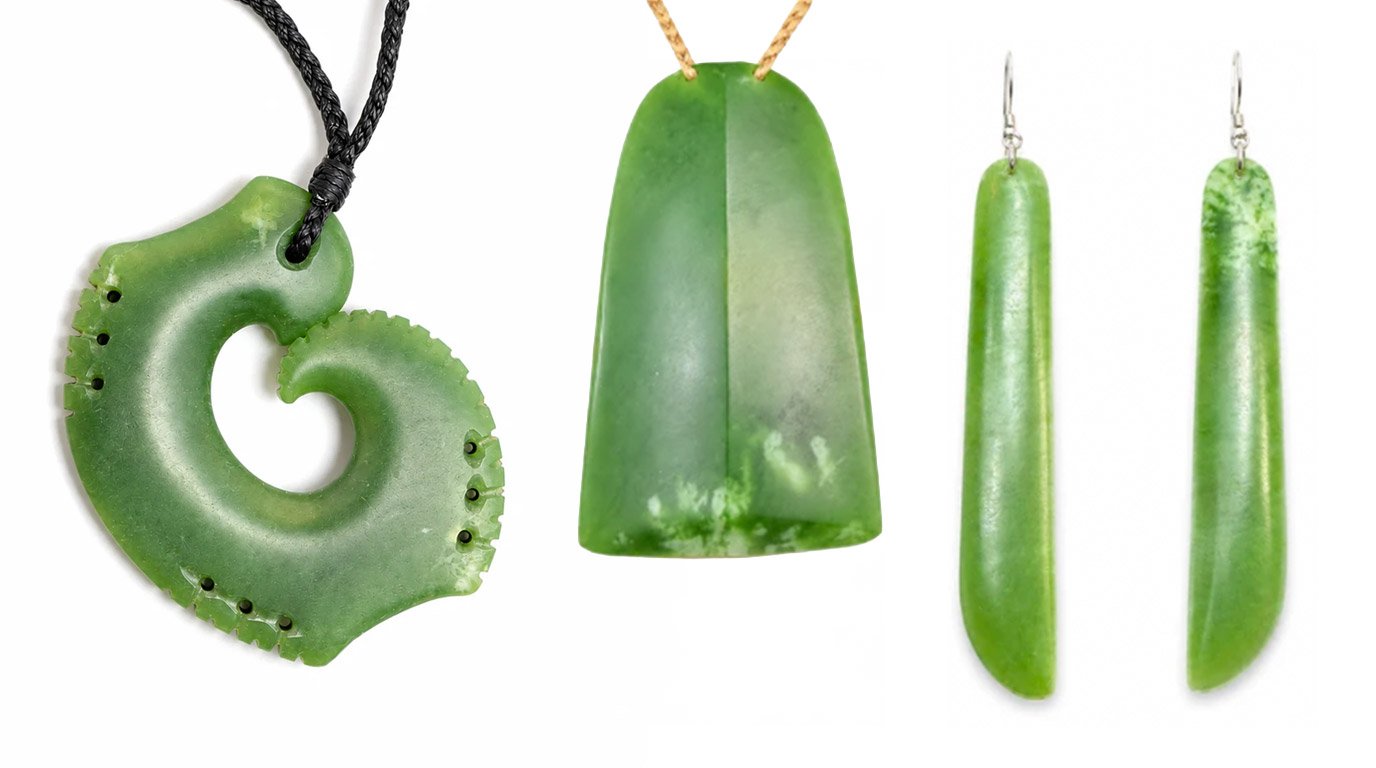
Among the traditional varieties recognised by Māori, kahurangi is the rarest. Te Papa, Te Ara and most carvers describe it the same way: highly translucent, a vivid light to bright green, and free of the dark spots and flaws found in most stone. Kawakawa, by contrast, is the most common variety and the one most used in jewellery today.
If rarity is measured by source, Tahutahi stands out. It comes from one remote area, the Cascade Plateau in South Westland, and Ngāi Tahu had never permitted outside parties to collect or sell it before its first legal public sale in 2024. Christchurch City Council, describing a piece gifted by Te Rūnanga o Makaawhio, called it the rarest of all pounamu stone types.
Both answers are fair. Views on which stone is "rarest" vary between carvers and sources, and many traditional names, including tribal variations, describe shades that overlap.
Kahurangi: The Traditional Rarest Variety
According to Te Papa, kahurangi is named after the clearness of the sky, and the word also carries meanings of nobility and precious jewels. Small, feather-like markings can give the stone a cloud effect, but to be classed as kahurangi these must not reduce its clarity. That strict standard is why so little stone qualifies.
Kahurangi was particularly esteemed by Māori. Te Papa notes it was the preferred stone for the blades of toki poutangata, the ceremonial adzes owned by rangatira. Today it typically costs more than other varieties carved into the same design.
Tahutahi: The Snowflake Pounamu
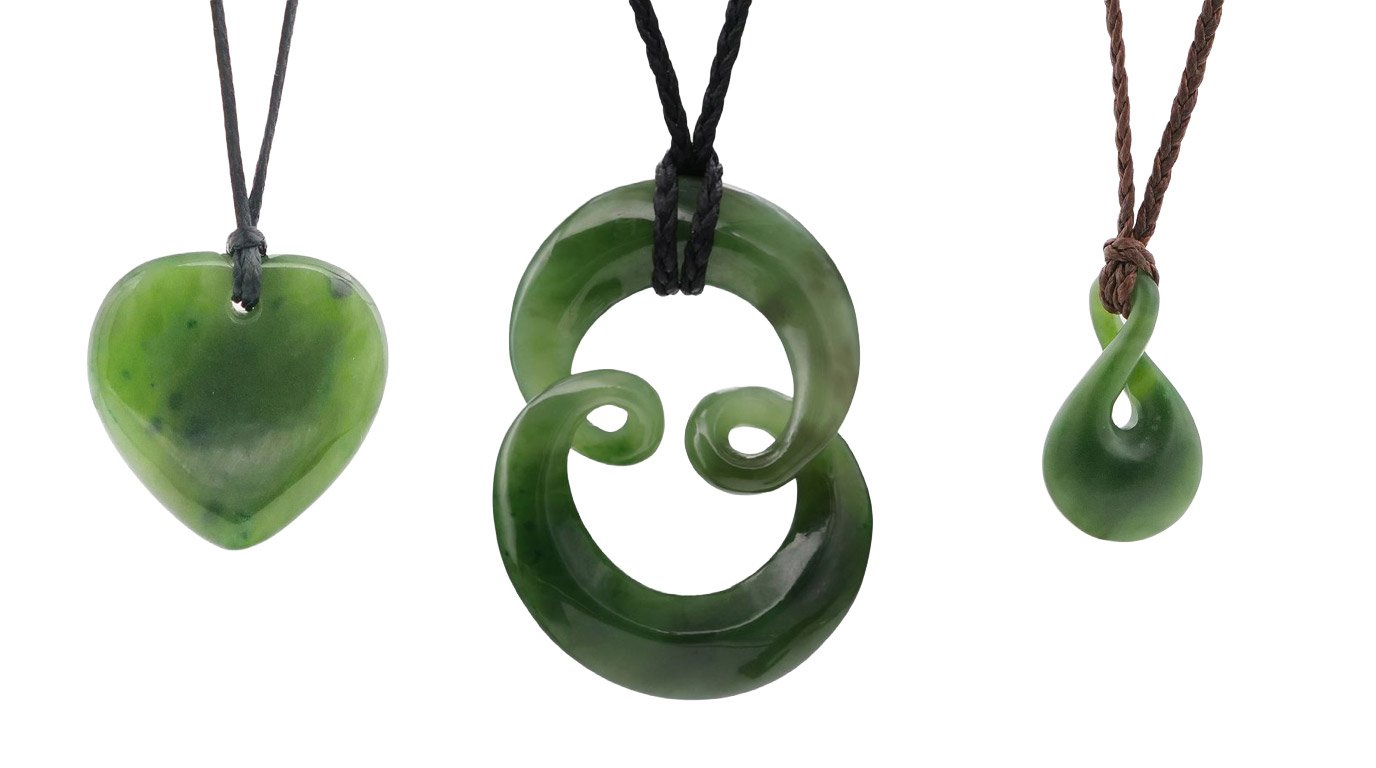
Tahutahi is a rich, intense green stone with distinctive white flecks, which is why some once called it "snowflake" pounamu or snowflake jade. It is found only on the Cascade Plateau, south of Haast, within the takiwā of Ngāti Māhaki ki Makaawhio.
Its beauty and rarity made Tahutahi a target for theft and black-market trading. After prosecutions in the early 2000s, Te Rūnanga o Ngāi Tahu recovered stolen raw stone and carved taonga. In December 2024, Ngāti Māhaki announced that Tahutahi would be sold legally for the first time, through Westland Greenstone in Hokitika.
Tahutahi has also been gifted on significant occasions. Ngāi Tahu presented 550 Tahutahi pendants, carved over a year by Ngāti Māhaki carvers, to the New Zealand Olympic and Paralympic teams for Paris 2024. A 270 kilogram Tahutahi stone, gifted by Te Rūnanga o Makaawhio, marks the entrance to the Canterbury Earthquake National Memorial in Christchurch.
Other Rare and Distinctive Varieties
Beyond kahurangi and Tahutahi, several colour variations are uncommon enough that carvers set them aside for special pieces. Names and definitions vary between iwi and carvers, so treat these as general descriptions.
Totoweka
A variation of kawakawa marked by reddish spots and streaks. The name is usually explained as the blood (toto) of the weka, a native bird. Te Papa and Wikipedia both describe it as a rare type.
Raukaraka
Also a variation of kawakawa, raukaraka is olive green with yellow to orange colouring, often where the stone's outer crust has oxidised. Its name refers to the orange fruit of the karaka tree.
Putiputi (flower jade)
Putiputi, meaning flower, is also called flower jade or Marsden flower jade after the West Coast area it is associated with. It shows golden or orange flourishes through green stone, which the Te Papa Store describes as unique to Aotearoa pounamu.
Kōkopu
Kōkopu is speckled with brown, rust and sometimes bluish tones, resembling the markings of the native freshwater fish it is named after. It is less commonly seen than plain kawakawa.
Īnanga
Named after the juvenile native fish (whitebait), īnanga ranges from pearly white to grey-green and soft blue, and can be translucent or opaque. Some sources record it as the variety most prized for ornaments and mere in earlier times.
Tangiwai
Tangiwai is translucent bowenite, a form of serpentine rather than nephrite, but it is traditionally counted as one of the four main types of pounamu. It comes mainly from Anita Bay in Piopiotahi Milford Sound, a limited and remote source, and is softer than nephrite pounamu.
Aotea: Rare, but Not Nephrite
Aotea stone is often sold alongside pounamu and is sometimes described as even rarer. It is a blend of blue kyanite, green fuchsite and white quartz with flecks of mica, giving it a turquoise shimmer. Carvers and retailers report that it comes only from the Makaawhio (Jacobs) River in South Westland, where Ngāti Māhaki ki Makaawhio have gathered and traded it for generations.
Aotea is not nephrite or bowenite, and it is softer than both, so whether it counts as "pounamu" depends on who you ask. The Te Papa Store includes it in its own definition of pounamu, while geological descriptions treat it as a separate stone. If you are buying Aotea, ask the seller about its source just as you would for pounamu.
Why Rare Pounamu Needs Extra Care When Buying
Rarity makes stone valuable, and value attracts theft. Under the Ngāi Tahu (Pounamu Vesting) Act 1997, all natural-state pounamu within the Ngāi Tahu takiwā belongs to Te Rūnanga o Ngāi Tahu, and only authorised harvesting is legal. Even so, stolen stone continues to surface on the black market, and the rarest varieties are the most targeted.
Before buying anything sold as kahurangi, Tahutahi or another rare variety, ask where the stone was sourced and whether it carries the Ngāi Tahu authentication mark and code. Our guide on how to tell if pounamu is real covers the checks in detail, and our guide to the most expensive pounamu explains how rarity affects price.
Where to See Rare Pounamu
Museum and gallery collections are the best places to see rare stone and exceptional taonga up close. Te Papa's collection includes kahurangi taonga, and Left Bank Art Gallery in Greymouth is home to the national pounamu collection. For a sense of how pounamu appears in its natural state, read about the Hohonu River pounamu boulder.