
The Toki: Strength, Courage & Authority in Pounamu
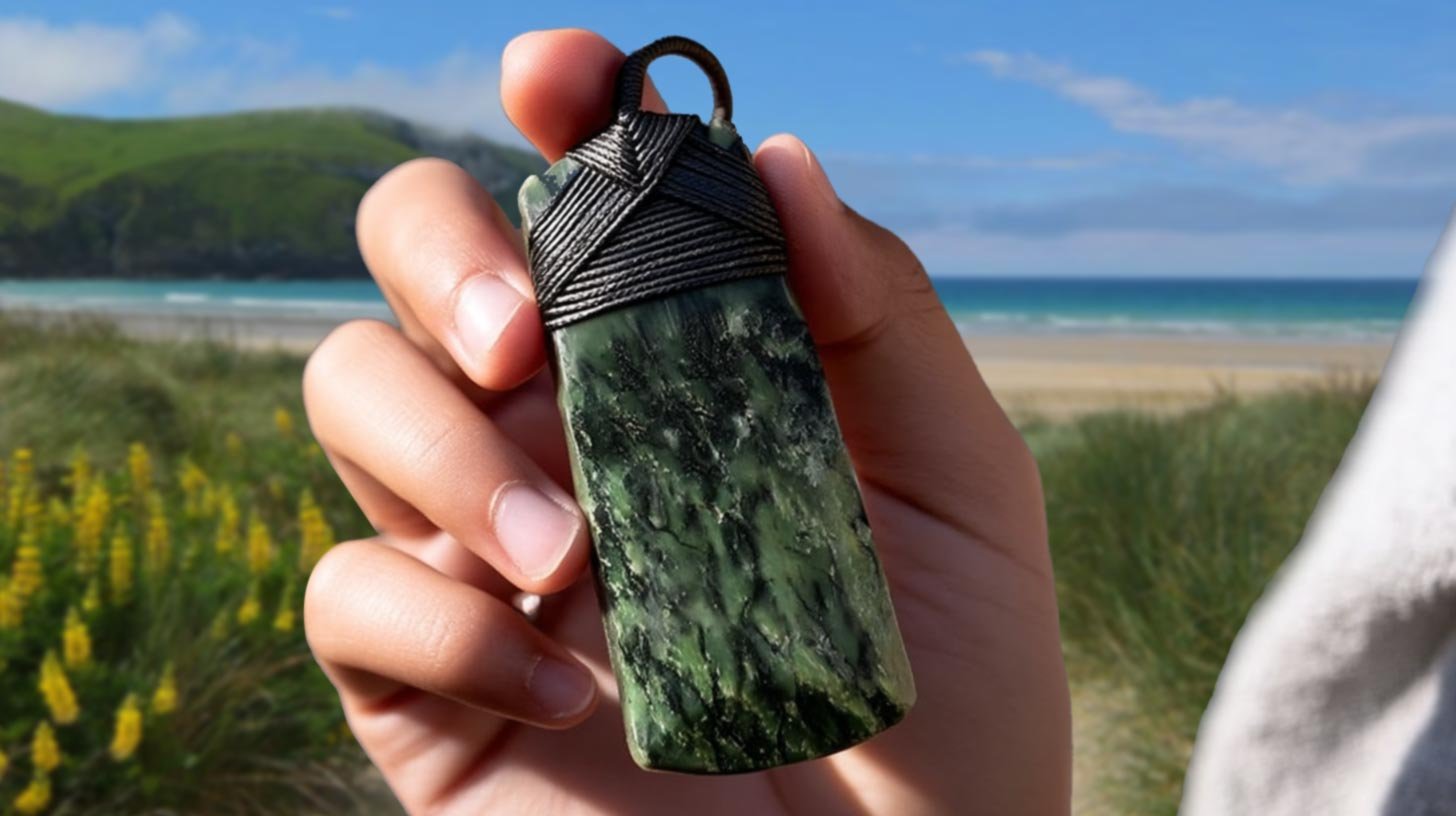
The toki is one of the most powerful and purposeful of all pounamu designs. Shaped after the adze, a tool used by Māori carvers and craftsmen for thousands of years, the toki carries the meaning of the hand that wields it: strength, determination, and the authority to shape the world around you.
In te ao Māori (the Māori world view), the adze was never simply a tool. It was an instrument of creation, used to shape waka (canoes), whare (houses), and taonga (treasures), a role that runs through much of the history of pounamu. To wear a toki is to carry that spirit of purposeful creation.
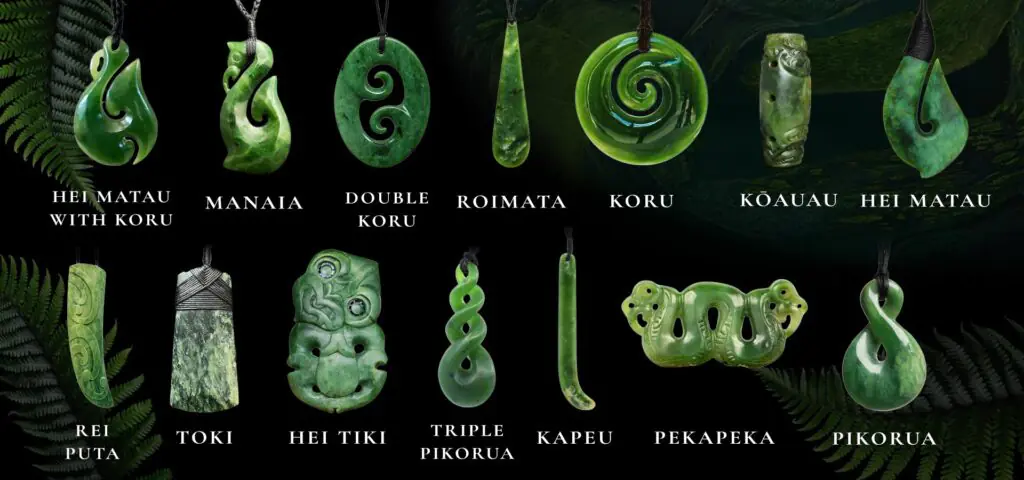
It's a design for those who lead, who build, and who act with courage, and one of several forms worth comparing across the full range of pounamu designs and meanings.
The Adze as a Tool of Creation
The physical adze, ko toki, was the primary cutting and shaping tool in pre-European Māori society. Carved from hard stone, often pounamu itself, it was used to fell trees, hollow waka, and shape the timbers of meeting houses. The skill and strength required to use one well made the adze a symbol of mastery, and those who wielded it with excellence were held in high regard.
When this form was translated into pounamu jewellery, it carried all of those associations forward. A toki pendant honours the craftsman, the leader, and the builder, the person who uses their hands and their will to create something lasting.
Meaning: Strength, Courage and Focus
The toki is most commonly associated with strength and courage, not just physical strength, but the inner resolve to face challenges directly and overcome them. It's a design often worn by leaders, warriors, and those who take on responsibility for others, and it fits closely with the wider benefits of wearing pounamu. The flat, decisive shape of the adze speaks to clarity of purpose and decisive action.
There's also a creative dimension to the toki's meaning. The adze doesn't destroy, it shapes and refines. Wearing a toki can represent the commitment to use one's strength constructively: to build, protect, and create rather than simply dominate.
Toki in Māori Ceremony and Chieftainship
Among Māori rangatira (chiefs) and tohunga (experts), large ceremonial adzes were treasured taonga passed through generations. These were not working tools but symbols of authority, held during speeches, displayed at important gatherings, and inherited alongside the mana (prestige and spiritual authority) of those who owned them.
The pounamu toki poutangata, a grander, more elaborately worked version of the toki, was specifically associated with chieftainship and high status. To receive or inherit such a piece was to receive the mana of those who came before.
Who Should Wear a Toki?
Traditionally, toki were associated with men and with leadership roles, though today they are worn by anyone who resonates with their meaning. The toki makes a particularly meaningful gift for someone stepping into a leadership position, taking on a major challenge, or demonstrating great personal resilience. It's a design that says: I recognise your strength and your capacity to shape what is around you.
It's also a fitting choice for those in skilled trades, creative fields, or any work that involves using skill and judgement to make something real. The adze is ultimately a maker's tool, and the toki honours that spirit, which is part of why it's such a popular choice within gifting pounamu traditions.
Toki vs. Toki Poutangata
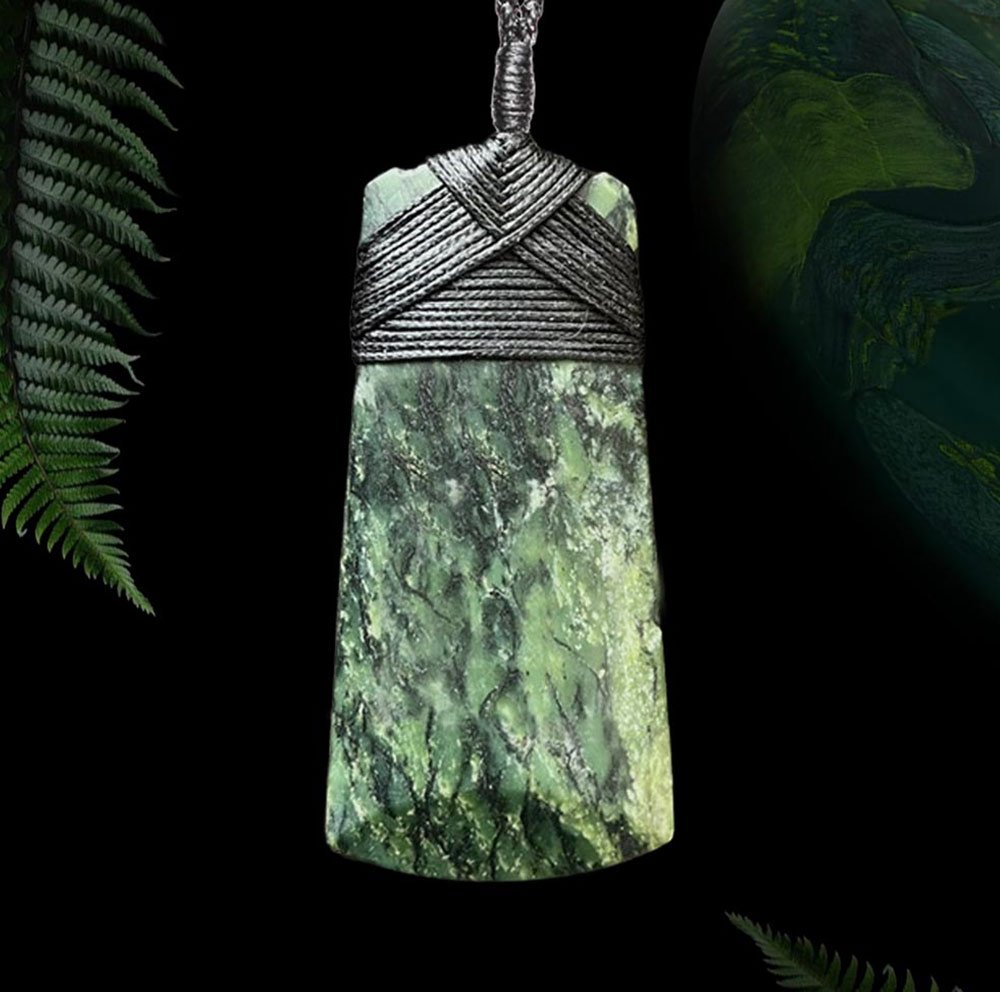
The standard toki is a clean, wedge-shaped pendant with no additional carving. The toki poutangata is a more elaborate form, often featuring additional carved detail and associated specifically with chiefly authority. Both share the same core meaning of strength and purposeful action, but the toki poutangata carries additional layers of prestige and lineage.
Choosing a Pounamu Toki
When selecting a toki, consider the finish and stone type. A highly polished kawakawa toki has a deep, authoritative presence. An īnanga toki in pale greenstone feels more contemplative and refined. Both sit within the wider types of pounamu, and the toki works well as both a pendant and a larger display piece.
In Māori tradition, the most powerful pounamu is that which has been gifted, carrying the aroha (love) and intention of the giver. A toki given to recognise someone's strength or mark an important achievement becomes a deeply personal taonga.

Frequently Asked Questions About the Toki
The toki is shaped after the Māori adze, a primary carving and shaping tool, and symbolises strength, courage, and the authority to create and lead. It's one of the most purposeful and powerful pounamu designs.
The toki is a plain wedge-shaped adze pendant. The toki poutangata is a more elaborate, prestige version associated specifically with chiefly authority and high-status leadership. Both share core meanings of strength.
The toki is ideal for leaders, those stepping into positions of responsibility, skilled craftspeople, or anyone demonstrating great courage and resilience. It's a powerful way to acknowledge someone's strength and capacity.
Historically, the toki and its ceremonial forms were associated with male leadership and warrior culture. Today the design is worn by anyone who resonates with its meaning of strength, determination, and purposeful creation.
Kawakawa (dark green) pounamu gives a toki a strong, grounded presence. Tangiwai (a translucent nephrite-like stone) produces a striking, elegant piece. Any authentic pounamu makes a meaningful toki, across the full range of pounamu types.
In Māori tradition, pounamu is often considered most meaningful when given by someone else, since a gifted toki carries the acknowledgment of the giver. Views vary on this though, and buying pounamu for yourself is also widely accepted today.