
Types of Pounamu
Not all pounamu is the same. While the term is used broadly to describe New Zealand greenstone, there are several distinct varieties each with its own colour, character, and cultural significance. Understanding the different types of pounamu helps you appreciate what you are looking at, and makes buying or gifting pounamu a more informed experience.
All authentic pounamu comes from Te Wai Pounamu, the South Island of New Zealand, and is under the guardianship of Ngāi Tahu. But within that, the stone varies considerably depending on where and how it formed.
Types of Pounamu Explained on This Page
Kawakawa
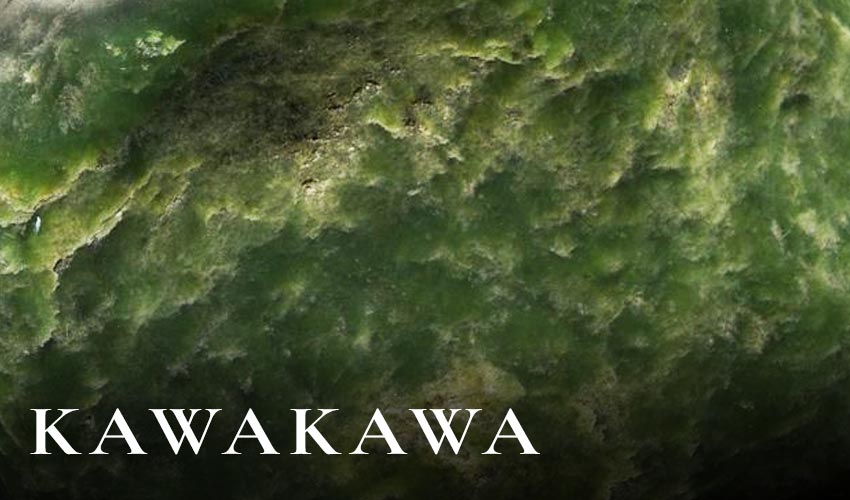
Kawakawa is the most recognised and widely available variety of pounamu. Its name comes from the kawakawa plant, a native tree with deep green, heart-shaped leaves, which the stone closely resembles in colour.
It is a nephrite jade, typically mid to dark green with characteristic dark inclusions and markings running through the stone. To an untrained eye, these inclusions might look like flaws, but in Māori tradition they are seen as part of the stone’s identity and life. No two pieces of kawakawa are alike.
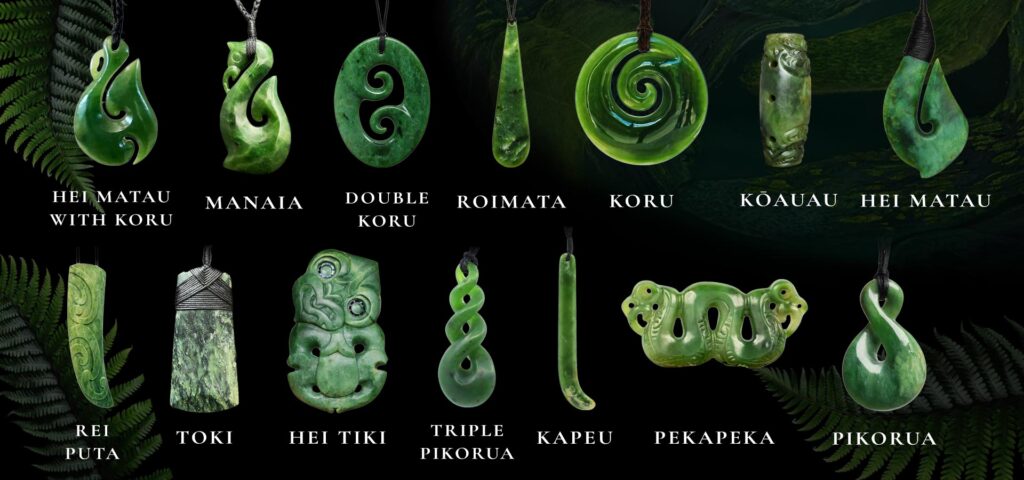
Kawakawa is the variety most commonly carved into hei tiki, hei matau (fish hooks), and koru pendants. Its availability makes it accessible, but quality varies significantly dense, richly coloured pieces with interesting patterning are highly regarded.
Kahurangi
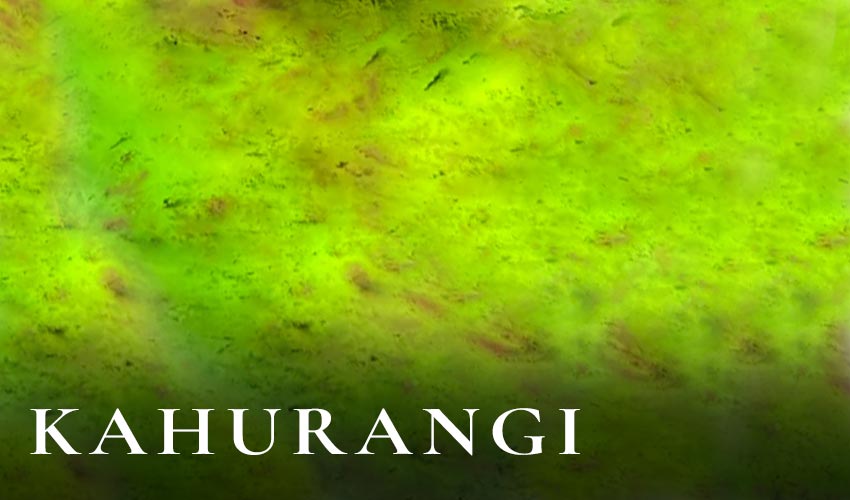
Kahurangi is the most prized of all pounamu varieties. The name translates as treasured possession or sky blue, and the finest specimens live up to the name pale, translucent, and almost luminous when held to light.
Unlike kawakawa, kahurangi has very few inclusions. It ranges from a clear, light green to a soft aqua tone, and its transparency gives carvings an almost glowing quality. Historically, kahurangi was reserved for people of high status, and even today it commands significantly higher prices than other varieties.
If you hold a piece of pounamu to a light source and it appears nearly clear with a pale, cool green tone, you may be looking at kahurangi.
Inanga
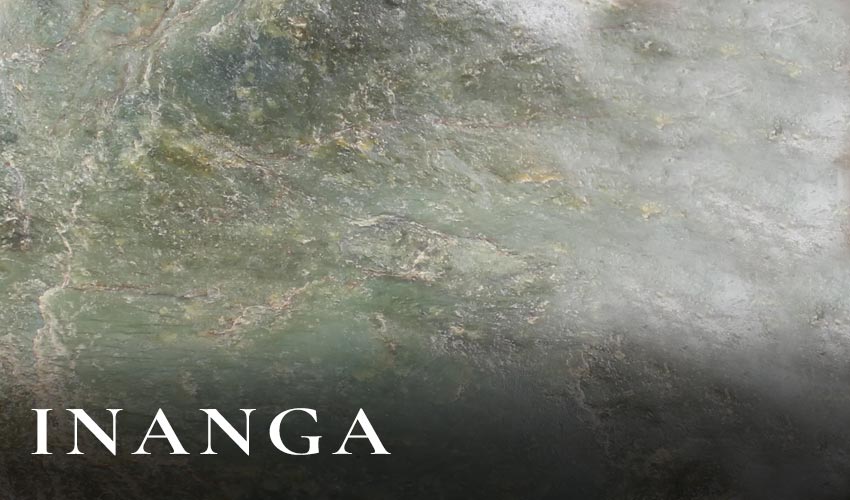
Inanga pounamu takes its name from the inanga whitebait, a small, silvery fish that was a staple food in traditional Māori life. The resemblance is clear: inanga stone is pale, often white or creamy grey-green, sometimes with a subtle shimmer or translucency.
It is softer in appearance than kawakawa and has a quieter, more delicate character. Inanga is moderately rare and has been used for centuries for fine ornaments. It suits pendants and smaller carvings well, where its pale tones can be appreciated up close.
Inanga can sometimes be mistaken for low-quality nephrite or even foreign stone by the untrained eye, which is one reason provenance matters when purchasing pounamu.
Tangiwai
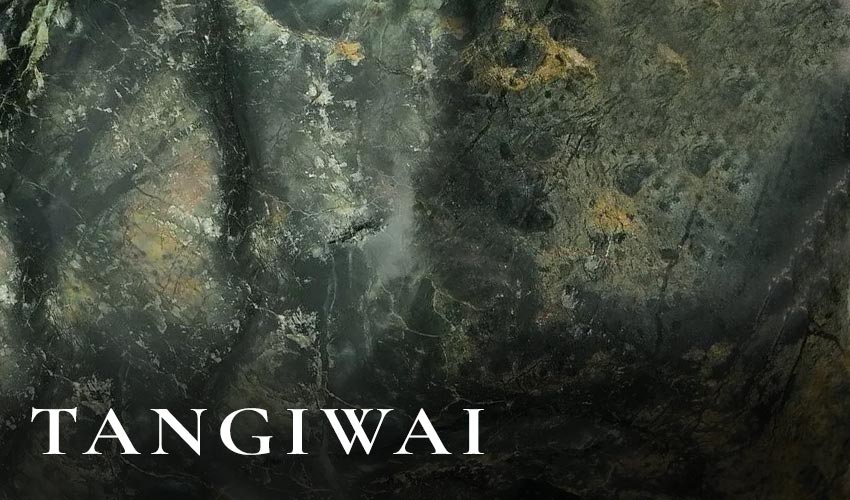
Tangiwai is unique among pounamu types because it is not nephrite, it is bowenite, a form of serpentine. Its name means weeping water or tears, perfectly describing its glassy, watery translucency.
Found only at Milford Sound (Piopiotahi) on the South Island’s southwestern coast, tangiwai ranges from aqua blue-green to grey-green, and has a distinctly different quality to nephrite. It is softer, more glassy in texture, and visually striking in a way none of the nephrite varieties quite match.
Because of its limited source, tangiwai is relatively rare. It is most often used for jewellery where its translucency can be showcased.
Kōkopu
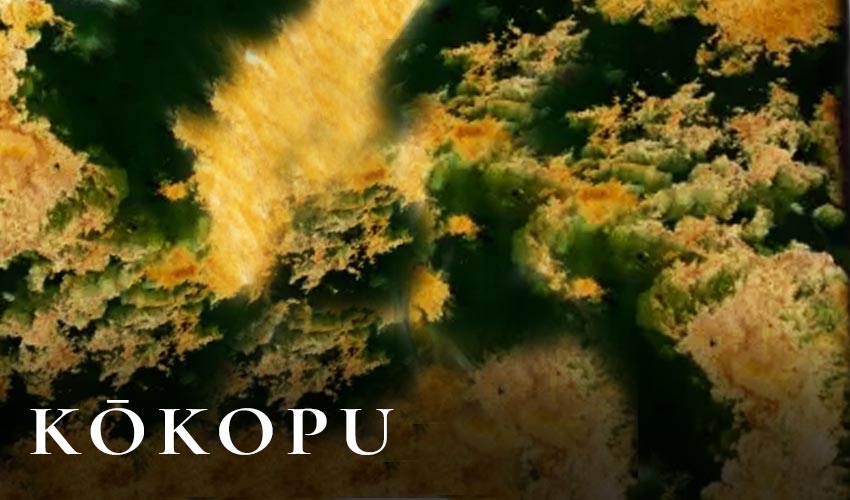
Kōkopu is a rare and highly prized variety of pounamu, named after the kōkopu fish, known for its vibrant and striking colours. The stone itself is most often a deep green, sometimes with a subtle, almost golden hue running through it, which gives it a remarkable depth and richness.
Kōkopu pounamu can sometimes feature unique banding or patterns that resemble the ripples of water, making each piece distinct. This pounamu is typically more difficult to carve due to its dense structure, but the results are often highly prized for their strength and aesthetic beauty.
Because of its relative rarity and dense nature, kōkopu is typically used for special pieces, including intricate carvings and larger sculptures.
Totoweka
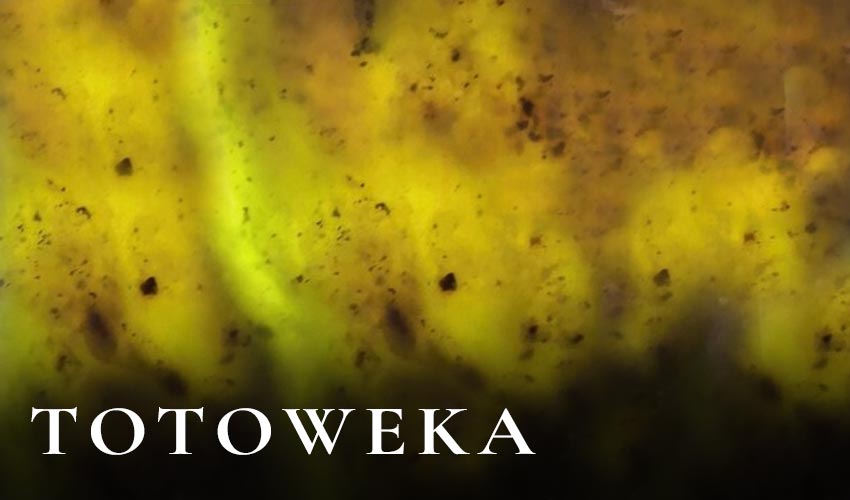
Totoweka pounamu is a rare and intriguing variety, named after the totoweka bird, whose distinctive plumage mirrors the vivid and contrasting colours found within the stone. Totoweka ranges from pale green to a striking deep green, sometimes with veins or spots of dark brown or black.
This variety of pounamu is known for its smooth, lustrous surface, which is often polished to a high sheen to bring out its beautiful colours. Totoweka is a particularly unique form of nephrite, often highly valued for its contrast and clarity, and it is generally used for smaller, detailed carvings that highlight its natural beauty.
Tahutahi
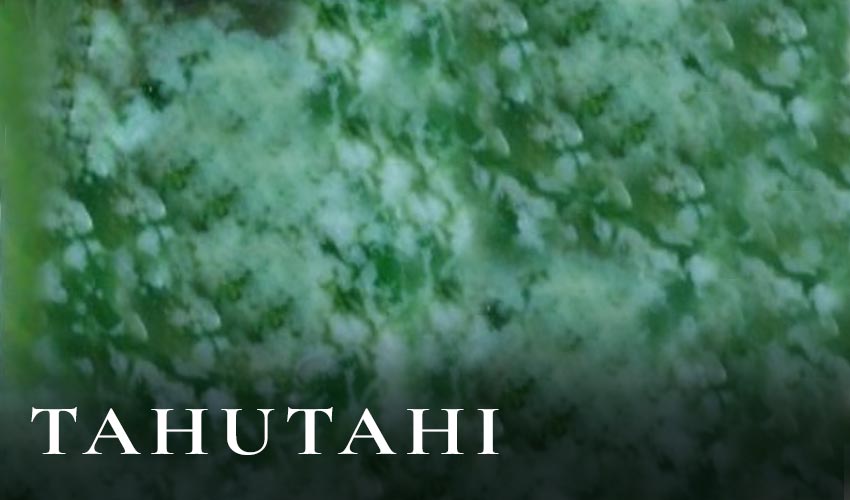
Tahutahi pounamu, also known as “white jade,” is a translucent variety of pounamu that ranges from pure white to a pale, milky green. Its name, tahutahi, translates as “the white one,” perfectly capturing its serene and almost otherworldly quality.
This type of pounamu is often highly translucent, with a soft, ethereal glow when held up to light. Despite its delicate appearance, tahutahi is surprisingly durable and has been used in traditional carving for both jewellery and ornaments. Its pale, subtle beauty makes it a favorite for those seeking understated elegance.
Raukaraka
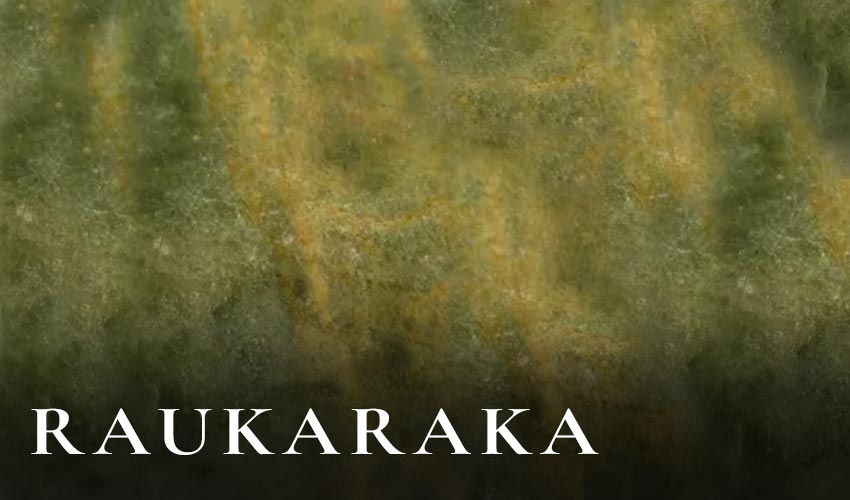
Raukaraka is a stunning and relatively rare variety of pounamu, known for its vibrant, deep green colour, which can sometimes have a subtle hint of blue. The stone is often heavily speckled with darker inclusions, giving it a dynamic, almost marble-like appearance.
The dense structure of raukaraka makes it a robust material for carving, often used in more elaborate works that require both strength and intricate detail. This variety is highly regarded for its rich, complex colouring, which makes it ideal for carvings that stand out and display striking contrast.
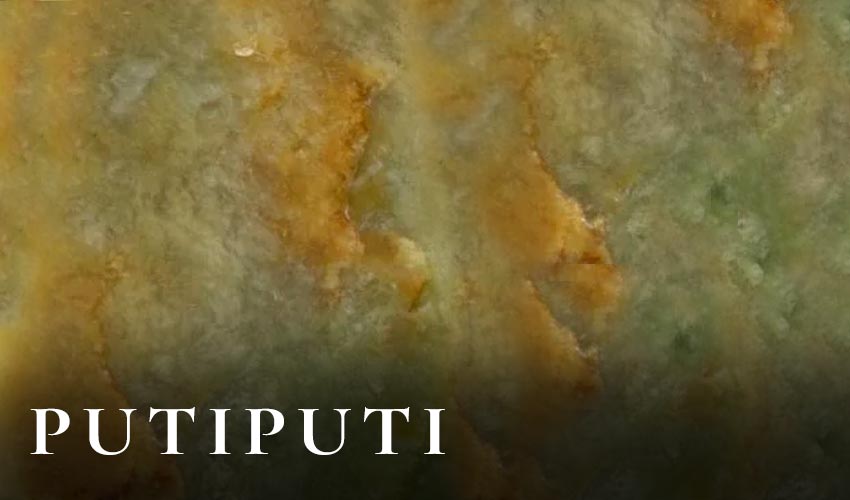
Putiputi
Putiputi, meaning “flower,” is a type of pounamu that features beautiful, intricate patterns resembling flowers or petals. The stone typically has a soft green colour, often with lighter veins or streaks that create a delicate, flowing appearance.
Putiputi pounamu is prized for its delicate patterns and soft colours, making it an excellent choice for fine, detailed carvings. The stone’s flowing design gives it a sense of movement, often used to create pendants, earrings, or other small carvings. Its beauty lies in its subtlety and the way the light catches its unique inclusions.
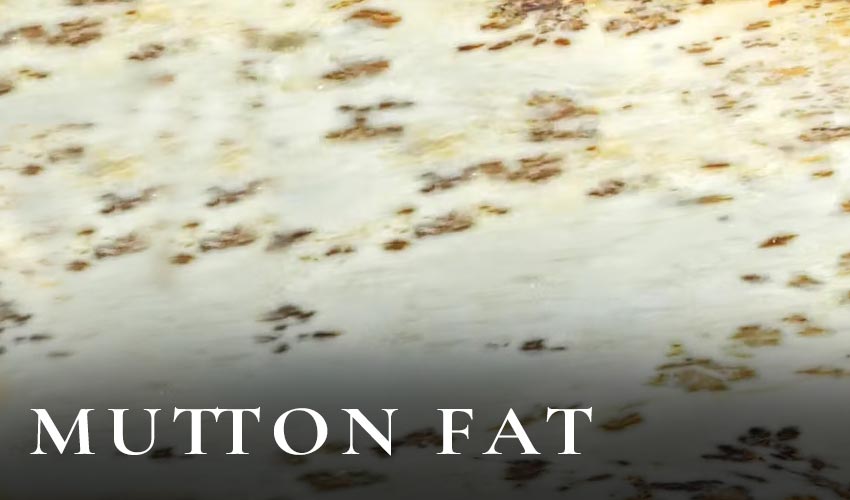
Mutton Fat Jade
Mutton fat jade is a soft, creamy white pounamu with subtle yellow or green tinges, often resembling the fat of a sheep (hence the name). While it may not have the bold colours or dramatic patterns of other pounamu types, its quiet, smooth appearance gives it a gentle charm.
Historically, mutton fat jade has been used in carving for everyday items, as it is softer and easier to work with compared to other nephrite jades. It is a popular choice for smaller ornaments, including pendants and buttons, where the smooth texture can be appreciated up close. The gentle beauty of mutton fat jade is often associated with simplicity and elegance.
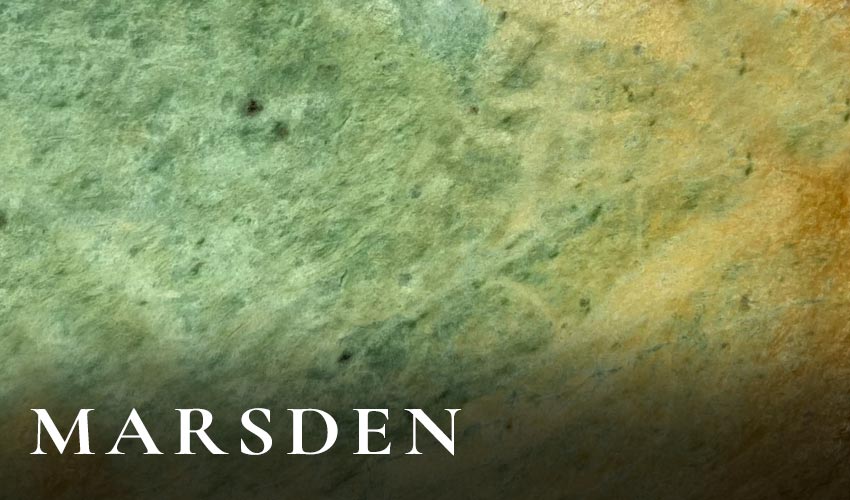
Flower Jade (Marsden Jade)
Flower jade, also known as Marsden jade, is a variety of pounamu named after the Marsden area in the South Island where it is found. The stone is known for its unique marbled patterning that can resemble flowers, clouds, or abstract designs, often in shades of pale green, cream, and white.
The delicate patterns in flower jade are caused by the natural inclusions within the stone, which give it a beautiful and almost ethereal appearance. This variety is prized for its fine texture and the way light interacts with its surface. While it is softer than other pounamu varieties, flower jade is still tough enough to be used in carving, especially for smaller, more refined pieces.
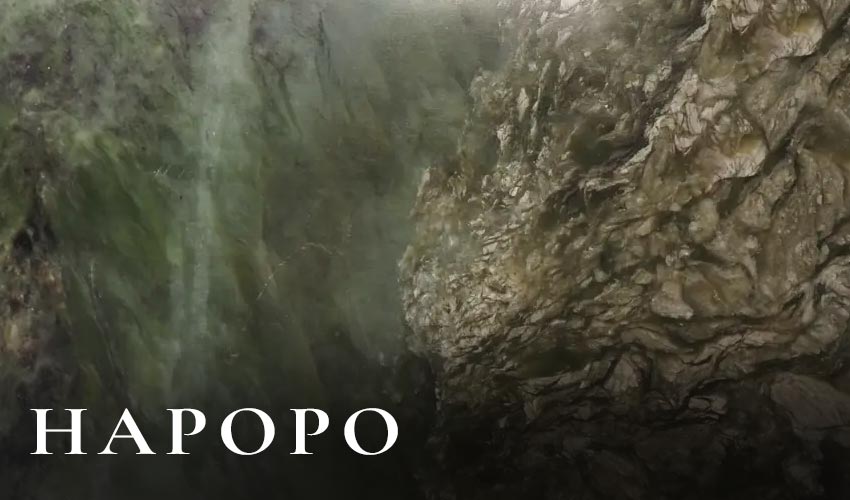
Hapopo
Hapopo is a distinctive variety of pounamu characterized by its cloudy, mottled appearance and soft blending of colours. Typically found in shades of pale to mid green, hapopo often contains diffuse patches or inclusions that give it a hazy, almost mist-like quality.
Unlike more vividly patterned stones, hapopo has a subdued, understated beauty, with its charm lying in its gentle transitions and natural softness. It is generally easier to carve than denser varieties, making it suitable for a range of forms, from simple pendants to more detailed pieces. Hapopo is valued for its quiet elegance and the organic, almost painterly quality of its surface.
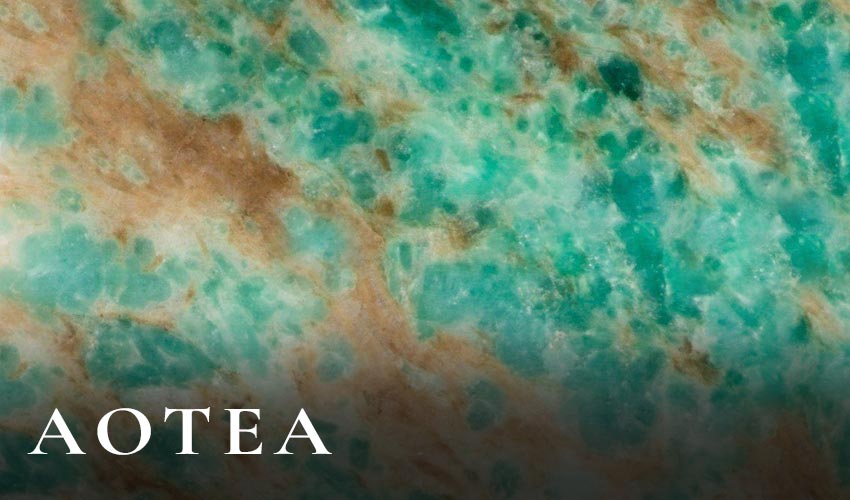
Aotea
Aotea is a rare and visually striking variety of pounamu distinguished by its combination of colours, often blending green with shades of blue, grey, or even creamy white. This mix creates a layered, almost landscape-like appearance within the stone.
The unique colouring of aotea is caused by natural mineral inclusions, giving each piece a highly individual character. It is typically opaque to semi-translucent and can be carved into both bold and intricate designs. Aotea is especially prized for its artistic qualities, as its varied tones allow for expressive and visually dynamic carvings.
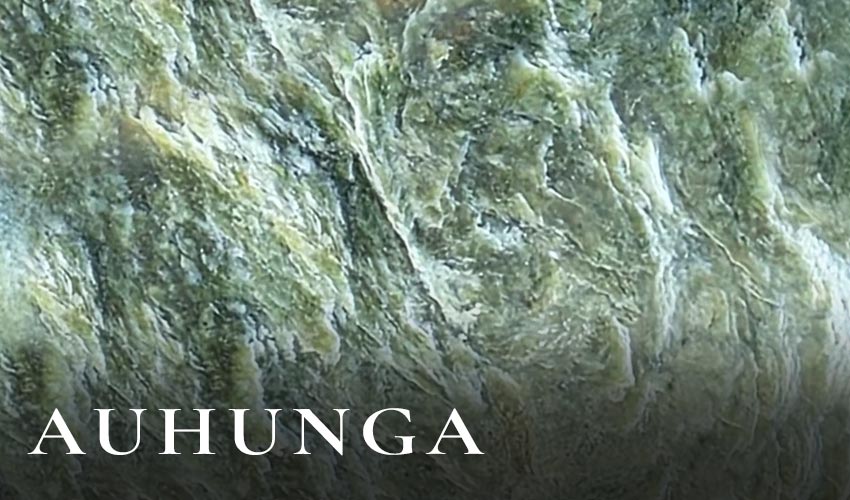
Auhunga
Auhunga is a less commonly referenced variety of pounamu, often associated with softer green tones that can range from pale, muted hues to slightly deeper shades. It may display a gentle cloudiness or faint mottling, giving the stone a calm, understated appearance.
Rather than bold patterning, auhunga is appreciated for its subtle tonal variation and smooth texture. It can be worked into both simple and more detailed forms, with its quieter character lending itself well to pieces that emphasize shape and form over dramatic colour. Auhunga carries a natural softness that appeals to those drawn to more restrained, refined pounamu.
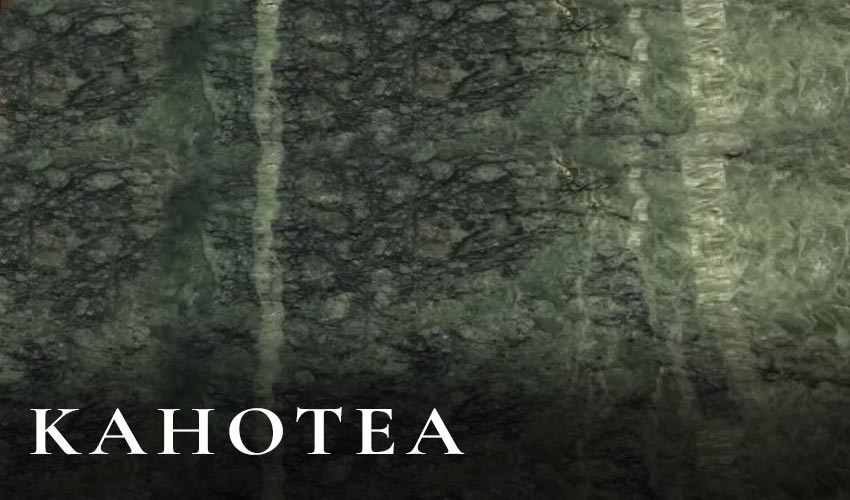
Kahotea
Kahotea is a darker, more opaque variety of pounamu, typically found in deep green tones that can sometimes appear almost black in low light. Its surface is usually even in colour, with minimal translucency, giving it a solid and grounded presence.
This type of pounamu is valued for its strength and density, making it well suited to carving. Kahotea’s rich, uniform colouring provides a strong visual foundation, often used for pieces where form and silhouette are emphasized. When polished, it can develop a deep, lustrous sheen that enhances its bold, enduring character.
Pounamu Resources
Explore authentic greenstone carvers, galleries and shops across New Zealand.
How to Tell the Different Types Apart
With practice, distinguishing between pounamu types becomes more natural. Here are the key markers to look for:
Hold it to light
Kahurangi and tangiwai are notably translucent; kawakawa is generally opaque or semi-opaque; inanga falls somewhere between
Colour tone
Kawakawa reads clearly green; kahurangi is pale and cool; inanga appears white to grey-green; tangiwai has a blue-watery quality
Inclusions
Kawakawa typically has visible dark markings; kahurangi is notably clean; inanga may have subtle clouding
Texture
Tangiwai feels slightly softer and more glassy; nephrite varieties have a denser, waxy quality
Rarity and Value
Of the four main types, kahurangi is generally the most valuable due to its rarity and visual clarity. A high-quality kahurangi piece will command a significantly higher price than kawakawa of similar size and workmanship.
Tangiwai, because of its unique source and distinctive appearance, also attracts a premium. Inanga and kawakawa are more available, though exceptional pieces particularly large, high-quality kawakawa with striking patterning can still be very valuable.
Price alone is never a reliable guide to authenticity. Always buy from a reputable carver or gallery and ask about provenance. Learn how to tell if pounamu is real before making a purchase.
Pounamu Ownership and Authenticity
Under the Ngāi Tahu Claims Settlement Act 1998, all pounamu in the ground in Te Wai Pounamu (the South Island) belongs to Ngāi Tahu. This means authentic pounamu must be sourced through Ngāi Tahu or their authorised partners.
When buying pounamu, always ask the carver or seller where their stone comes from. Reputable carvers are proud of their stone’s provenance and will tell you freely. If a seller cannot or will not say where the stone is from, treat that as a red flag.
You can also learn more about how to identify authentic pounamu to protect yourself when purchasing.
Frequently Asked Questions About Pounamu
What is the rarest type of pounamu?
Kahurangi is generally considered the rarest and most valuable variety of nephrite pounamu. Tangiwai (bowenite) is also rare, sourced only from Milford Sound.
Is tangiwai real pounamu?
Yes, tangiwai is recognised as pounamu even though it is bowenite rather than nephrite. It has been used and valued in Māori culture for centuries and falls under Ngāi Tahu’s guardianship like other pounamu varieties.
What does kawakawa pounamu look like?
Kawakawa is typically a mid to deep green nephrite jade with dark inclusions and markings. It is generally opaque or semi-opaque. The inclusions are considered part of the stone’s character, not flaws.
Can you buy all types of pounamu in New Zealand?
Kawakawa is widely available from carvers and galleries across New Zealand. Kahurangi and inanga are less common. Tangiwai is the hardest to find due to its limited source. The West Coast and Hokitika region has the highest concentration of pounamu carvers and sellers.
What is the difference between pounamu and jade?
Pounamu is specifically New Zealand nephrite jade or tangiwai (bowenite) with cultural significance in Māori tradition. Not all jade is pounamu — jade exists worldwide, but only stone sourced from New Zealand and carrying this cultural heritage is considered pounamu.
How do I know if my pounamu is authentic?
Authentic pounamu comes from Ngāi Tahu or their authorised carvers. Ask for provenance when buying. Physical tests such as weight, temperature, and hardness can help identify nephrite.