
Benefits of Wearing Pounamu:
Meaning, Protection and Wellbeing
For over a thousand years, people in Aotearoa New Zealand have worn pounamu close to their bodies — not just as decoration, but as a source of meaning, protection, and connection. The benefits of wearing pounamu are rooted in Māori tradition, but they resonate with people across cultures who feel drawn to the stone’s history and presence.
This guide explores what wearing pounamu is traditionally understood to offer: the cultural and spiritual significance associated with different designs, the belief that a well-worn piece grows in power over time, and the deeply personal meaning that comes from wearing a piece connected to a living tradition. Whether you’re new to pounamu or have worn it for years, understanding what the stone represents adds depth to the experience of wearing it.
Protection and Good Fortune
Among the most widely recognised benefits of pounamu is the belief that it offers protection to the wearer. In Māori tradition, pounamu was often worn as a talisman — carried into battle, worn in ceremony, and kept close during times of vulnerability. The stone’s exceptional hardness was seen as a spiritual quality as well as a physical one: the idea that the stone’s strength would extend to the person wearing it.
The hei matau (fish hook) is one of the designs most explicitly associated with protection and good luck, particularly for travel over water. Māori have always been a seafaring people, and the hei matau carried the meaning of safe passage across the ocean as well as abundance and prosperity. Today it remains one of the most popular designs worn for these associations. (read more: Pounamu Designs and Meanings)
Connection to Whakapapa and Ancestry
Pounamu’s deepest benefit, in Māori tradition, is as a carrier of whakapapa — genealogy and ancestral connection. A piece inherited through whānau holds the presence of those who wore it before, and wearing it is an act of connection to that lineage. The most revered taonga — like named hei tiki passed through generations — carry histories stretching back centuries.
For Māori wearers especially, pounamu can represent a tangible link to tūpuna (ancestors), to specific places in Te Wai Pounamu, and to the spiritual values of those who came before. For others with a connection to Aotearoa, wearing pounamu is a way of honouring and participating in that living tradition. (read more: History of Pounamu)
The Power of Wearing Pounamu Close to the Body
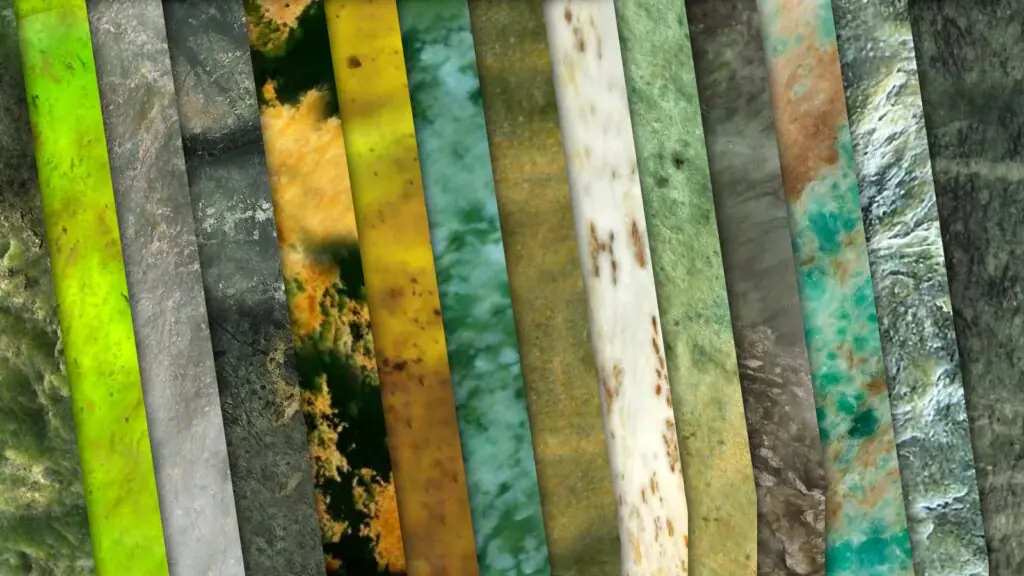
In Māori tradition, pounamu is meant to be worn directly against the skin. The warmth of the body is said to bring the stone to life — and over time, a well-worn piece absorbs something of its wearer, developing a subtle patina and a depth of colour that comes from years of contact. This process is considered a sign that the stone has been properly honoured and that a bond has formed between the wearer and the piece.
A pounamu pendant that has been worn for years — especially one passed down from a loved one — carries the accumulated presence of its wearers. For many people, this is precisely the point: not just to own a beautiful object, but to participate in a living process of meaning-making that connects the present to the past. The longer a piece is worn, the more layered its significance becomes.
How Different Pounamu Designs Carry Different Benefits
One of the distinctive features of pounamu is that the design of a piece shapes the specific meaning it carries. The koru represents new beginnings and growth — worn for its energy of renewal, especially during times of change. The hei tiki is associated with fertility, strength, and the connection between living and ancestral selves, and has been worn as a guardian for centuries.
Twist forms (pikorua) represent the bond between two people or two forces intertwining through time — worn as a symbol of enduring relationship and complementary strength. Toki (adze forms) carry associations with focus, determination, and leadership. Choosing a form intentionally — as an expression of something you want to carry with you — is itself a meaningful act. (read more: Pounamu Designs and Meanings)
Pounamu Resources
Explore authentic greenstone carvers, galleries and shops across New Zealand.
Wearing Pounamu as a Connection to Aotearoa
For New Zealanders living overseas, pounamu carries a particular resonance: it is a piece of home. The stone is unique to Aotearoa, and wearing it is a tangible way of maintaining a connection to that place — to its landscapes, its people, and its culture — regardless of where in the world you find yourself. Many expatriate New Zealanders describe their pounamu as the object they reach for when they want to feel close to home.
For visitors and those with a new connection to New Zealand, pounamu represents an entry point into one of the world’s most distinctive living cultures. Wearing it thoughtfully, with an understanding of what it means, is a way of honouring the tradition rather than simply collecting a souvenir.
The Wellbeing Value of Wearing Something Meaningful
Beyond cultural and spiritual tradition, there is a straightforward human benefit to wearing something that carries meaning: it grounds you. A piece of pounamu — especially one that was gifted, inherited, or chosen deliberately — becomes a daily reminder of the person who gave it, the occasion it marked, or the intention behind wearing it. This kind of object-based meaning is something many people find genuinely sustaining.
Pounamu’s endurance also matters. Unlike most contemporary jewellery, a well-made pounamu piece will last not just your lifetime but several generations beyond it. Wearing something that has that kind of permanence connects you to a longer arc of time — to the people who will wear it after you, just as you may wear something that was worn before you. That sense of continuity is, in its own way, one of pounamu’s most meaningful benefits.
Whether worn for protection, for cultural connection, for the memory of a person, or simply for the beauty of the stone itself — pounamu rewards its wearers. It is a stone made to be carried through a life. (read more: What Is Pounamu?)
Frequently Asked Questions About the Benefits of Wearing Pounamu
What are the benefits of wearing pounamu?
In Māori tradition, the benefits of wearing pounamu include protection, connection to ancestry and whakapapa, good fortune, and a deepening bond between the wearer and the stone over time. The specific meaning also depends on the design — different forms carry different associations, from the new-beginning energy of the koru to the guardianship of the hei tiki.
Does pounamu protect you?
In Māori tradition, pounamu has long been worn as a talisman of protection. The stone’s exceptional toughness was understood as a spiritual quality, and it was carried into battle and worn during vulnerable times. The hei matau in particular is associated with safe travel over water and protection from harm.
Which pounamu design is best for protection?
The hei matau (fish hook) is the design most explicitly associated with protection and safe passage, particularly over water. The hei tiki is worn for ancestral protection and strength. More broadly, any pounamu piece worn with intention and care takes on personal protective meaning through the relationship built between the wearer and the stone. (read more: Pounamu Designs and Meanings)
Should pounamu be worn every day?
Yes — wearing pounamu daily is actively encouraged in Māori tradition. The warmth of the body is said to bring the stone to life, and a well-worn piece deepens in character over time. Just inspect the cord regularly for wear and remove the pendant before activities that risk impact on hard surfaces.
What does wearing pounamu mean?
Wearing pounamu carries different meanings depending on the person and the piece. At its deepest, it represents connection to Māori culture, to the land of Aotearoa, and to the people — living and ancestral — who have worn greenstone before you. For many, it is also a reminder of the person who gifted the piece, the occasion it marked, or the intention behind choosing it.
Can non-Māori benefit from wearing pounamu?
Yes. While pounamu’s deepest meanings are rooted in Māori culture, it is worn meaningfully by people across many backgrounds. The tradition of gifting rather than buying for oneself is broadly observed, and many non-Māori New Zealanders and international visitors wear pounamu as a genuine connection to Aotearoa and its culture. The most important thing is to approach the stone with respect for the tradition it comes from. (read more: What Is Pounamu?)