
Origins: How Pounamu Formed
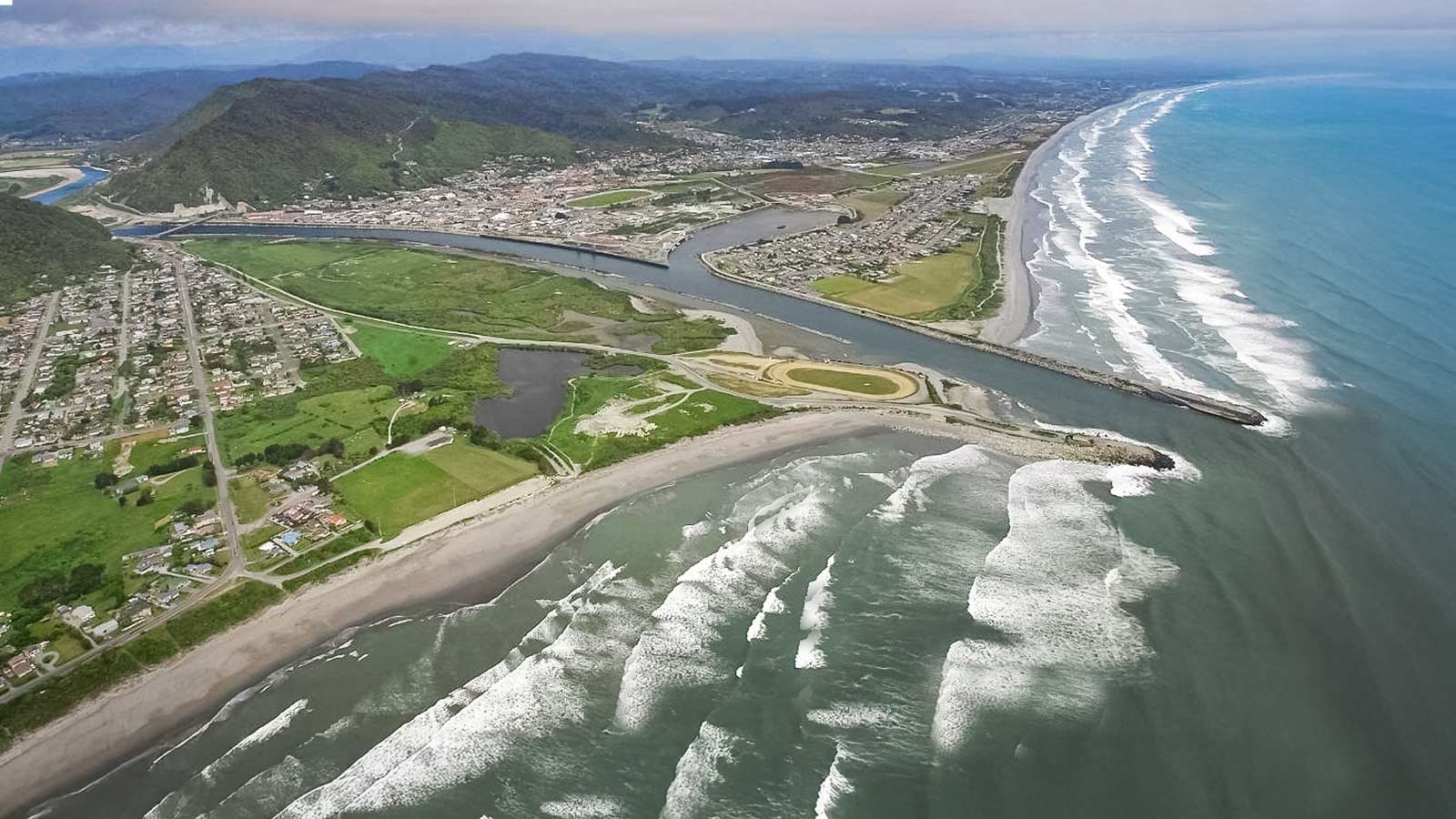
Pounamu is nephrite jade, formed deep within the earth over millions of years through intense heat and pressure. In New Zealand, pounamu is found primarily on the West Coast of the South Island, Te Wai Pounamu, where tectonic forces brought the stone to the surface through rivers, mountains, and coastal outcrops.
The stone was carried by rivers from mountain sources to the coast, where Māori discovered it among river gravels and boulders. Its exceptional hardness and density made it unlike any other material available in Aotearoa, and its rarity made it precious from the very beginning. Read more: Types of Pounamu.
Early Māori Use of Pounamu
The earliest Māori settlers arrived in Aotearoa from Eastern Polynesia around 1250 to 1300 CE. Within generations, pounamu had become central to material culture and ceremonial life throughout the South Island. Knowledge of pounamu locations was closely guarded and passed down through trusted lines within Ngāi Tahu and earlier iwi.
The stone's exceptional toughness made it the preferred material for tools and weapons: adzes (toki) for woodworking, chisels for carving, and mere (short weapons) for combat. Working pounamu required patient abrasion with sand and water over many hours, and the finished objects were treasured accordingly. Read more: Pounamu Designs and Meanings.
Pounamu as a Trading Taonga
Because pounamu was found only on the South Island's West Coast, it became one of Aotearoa's most significant trade goods. Māori from across the country, including North Island iwi, made long journeys or established trading relationships to obtain it. The routes used to cross the Southern Alps to reach pounamu sources are among the most historically significant in New Zealand.
Pounamu was not simply exchanged as a commodity. Gifting pounamu carried deep meaning, it represented alliance, respect, and relationship between groups. A piece given between iwi could seal agreements or mark pivotal events, accumulating mana and meaning over time.
Heirlooms and Living Taonga
Some pounamu pieces were kept within families and hapū for generations, becoming heirlooms that carried the accumulated history of those who wore them. The hei tiki, a human-form pendant, is among the most recognised of these, and certain named hei tiki are recorded in oral tradition with detailed histories spanning centuries.
These pieces were believed to hold the hau (spirit or essence) of their wearers. Passing them on or returning them was a significant act that reinforced bonds between people, ancestors, and land. This is why pounamu is traditionally gifted rather than bought for oneself, a practice that endures today.
European Contact and the Colonial Period
European explorers and settlers encountered pounamu from the earliest days of contact with Aotearoa. Europeans quickly recognised its beauty, and demand for greenstone carvings grew rapidly through the 19th century. This increased demand disrupted traditional exchange systems and created new pressures on both the stone and the communities who worked it.
During the colonial period, many significant pounamu taonga were removed from Māori ownership, some through trade, others through confiscation. The repatriation of these taonga to their rightful iwi and whānau remains an important and ongoing process today.
The Ngāi Tahu Settlement and Modern Protections
The most significant moment in the modern history of pounamu came through two related pieces of legislation. The Ngāi Tahu (Pounamu Vesting) Act 1997 formally returned ownership of all pounamu occurring in its natural state within Ngāi Tahu's tribal area, covering most of the South Island, to Ngāi Tahu. This was followed a year later by the wider Ngāi Tahu Claims Settlement Act 1998, which gave effect to the iwi's full Treaty of Waitangi settlement with the Crown, including a formal Crown apology and $170 million in economic redress.
Together, these settlements recognised what Māori had always maintained: that pounamu is not simply a mineral resource but a taonga belonging to the people of Te Wai Pounamu. Ngāi Tahu now holds legal authority to manage, protect, and govern the use of pounamu in a way that reflects its cultural significance, a recognition without precedent for any stone in the world.

Pounamu Today: A Living Tradition
Today, pounamu continues to be carved by skilled New Zealand carvers into pendants, ornaments, and artworks. Traditional forms like the hei tiki, koru, and toki sit alongside contemporary designs, but the cultural values associated with the stone remain central to how it is made, given, and worn.
For many New Zealanders and visitors, pounamu represents a connection to Aotearoa itself, to its landscape, its people, and its enduring traditions. Whether worn, gifted, or collected, the history carried within each piece stretches back across centuries of human experience in this land.
Learning that history is the first step toward understanding what makes pounamu genuinely unique, not just as a stone, but as a living part of New Zealand culture. Read more: What Is Pounamu?