
Region Guide
Pounamu in the West Coast Te Tai Poutini
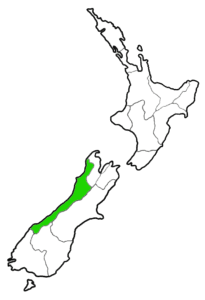
The West Coast of New Zealand's South Island is the historic home of pounamu (greenstone), and the only place in the world where it is found.
Known in te reo Māori as Te Tai Poutini, this rugged region has long been associated with the rivers and mountains where pounamu is gathered. For generations, Māori have valued pounamu as a taonga (treasure) used for tools, weapons, and meaningful jewellery, and the region remains under the kaitiakitanga (guardianship) of Ngāi Tahu today.
Today, the West Coast remains the best place in New Zealand to discover authentic pounamu carvings, greenstone jewellery, and traditional jade craftsmanship. Towns like Hokitika and Greymouth are well known for their talented carvers, artisan workshops, and galleries that showcase stone sourced from nearby rivers such as the Arahura River, one of the most important traditional sources of pounamu.
On this page you'll find a selection of pounamu carvers, greenstone galleries, shops, and carving experiences on the West Coast, where visitors can learn about the cultural significance of pounamu and explore handcrafted pieces created by local artists. To understand what sets genuine West Coast pounamu apart, see our authenticity guide.
 Carver
Garth Wilson
Greymouth, West Coast
West Coast pounamu carver whose family connections to Ngāti Mahaki and Ngāti Waewae give him customary rights to gather his own greenstone from local rivers and mountains.
View Listing Gallery
Traditional Jade Co.
Hokitika, West Coast
Family-owned pounamu gallery of Ngāi Tahu descent on Tancred Street, Hokitika, run across three generations since 1998, with one of the largest displays of raw jade on the West Coast.
View Listing Carver
Carved in Stone
Hokitika, West Coast
Hand-carved pounamu jewellery and mere from carver Brittany Lissington's family workshop, drawing on traditional Māori forms found in jewellery, weapons, and tools.
View Listing Gallery
Te Koha Gallery
Franz Josef, West Coast
Family-run gallery and carve-your-own-pounamu studio founded by the Goodall whānau in 2010, now based on their farm near Franz Josef, offering an immersive greenstone carving experience.
View Listing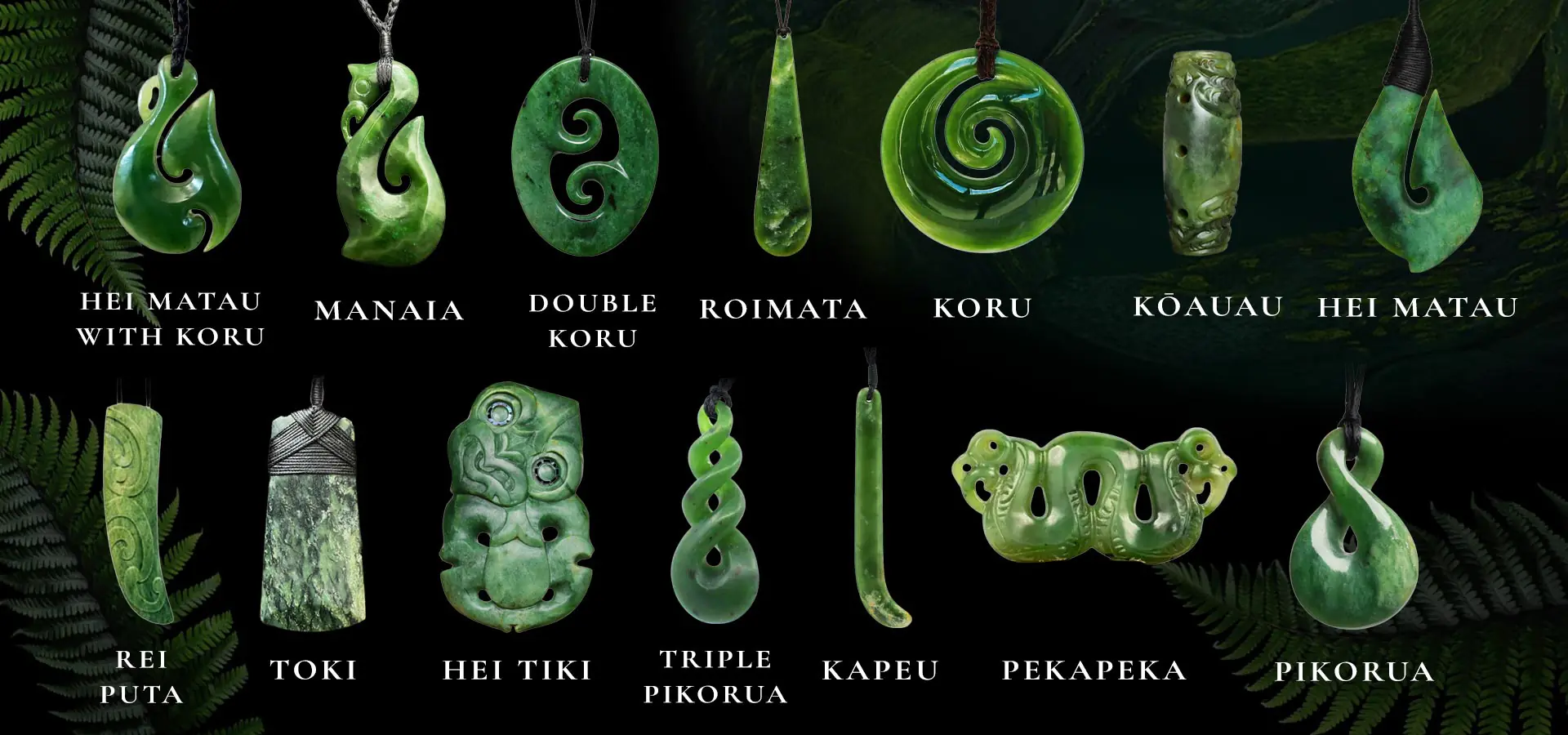
Discover What Each Design Means
From the koru to the hei tiki, every traditional pounamu design carries its own story and symbolism.