
The Hei Matau: Prosperity, Strength & Safe Passage Over Water
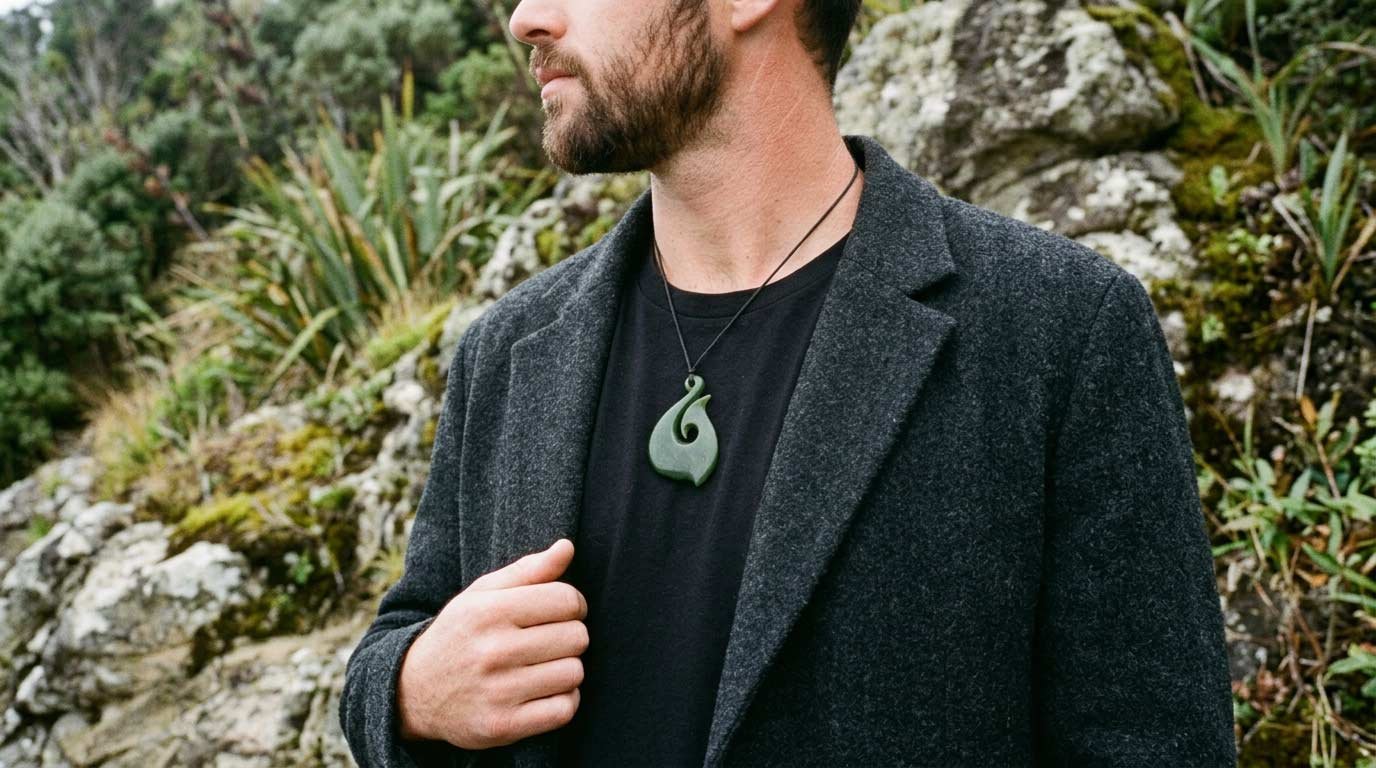
The hei matau, the pounamu fish hook, is one of the most iconic Māori designs, and among the most worn pieces of greenstone jewellery in New Zealand. Its hook shape recalls the matau (fishing hook) that was central to the survival and prosperity of Māori communities across Aotearoa, and wearing one carries a wealth of layered meaning: abundance, strength, safe journey, and a deep connection to the sea.
Maui, the great trickster demigod of Māori mythology, is said to have fished up the North Island of New Zealand using a magical hook. That story gives the matau a sacred dimension, it is not merely a tool, but an instrument of creation and transformation. Read more: History of Pounamu.
Origins: The Fish Hook as a Tool of Life
For Māori, a people whose settlement of Aotearoa and whose daily life depended on the sea, the fishing hook was a critical and carefully crafted object. Hooks were made from bone, wood, and stone, and their design was constantly refined for specific fish and conditions. A good hook meant food, survival, and community. A broken hook could mean hunger. The matau was therefore a practical taonga as well as a symbolic one.
When carved in pounamu, the matau became something more permanent, a version of that life-giving tool that could be worn as a reminder of the sea's abundance and the skill of those who worked it. Over generations, the symbolism deepened beyond practical fishing to encompass all forms of abundance and good fortune.
Meaning: Prosperity, Luck and Good Fortune
The hei matau is most commonly associated with prosperity and good luck, particularly the kind of abundance that comes from working hard and maintaining a respectful relationship with the natural world. It is a design that promises not just wealth but the means to earn it: the strength, skill, and good fortune to always have what you need. Read more: Benefits of Wearing Pounamu.
It is also associated with strength in a physical sense, the pulling power of the hook, the resistance it must have to bring in a large catch. Wearing a hei matau can carry the intention of building that kind of inner and outer strength.
Safe Travel Over Water
Perhaps the most widely known meaning of the hei matau today is safe travel over water. Māori were exceptional navigators, crossing vast stretches of open ocean in waka hourua (double-hulled voyaging canoes). A matau worn on such a journey was a spiritual assurance of safe passage, a connection to the abundance of the sea and a request for its protection.
This makes the hei matau an especially popular gift for people who travel frequently, live near the water, surf, sail, or have a deep connection to the ocean. Gifting a hei matau before a significant journey is a time-honoured tradition in New Zealand.
Hei Matau Variations
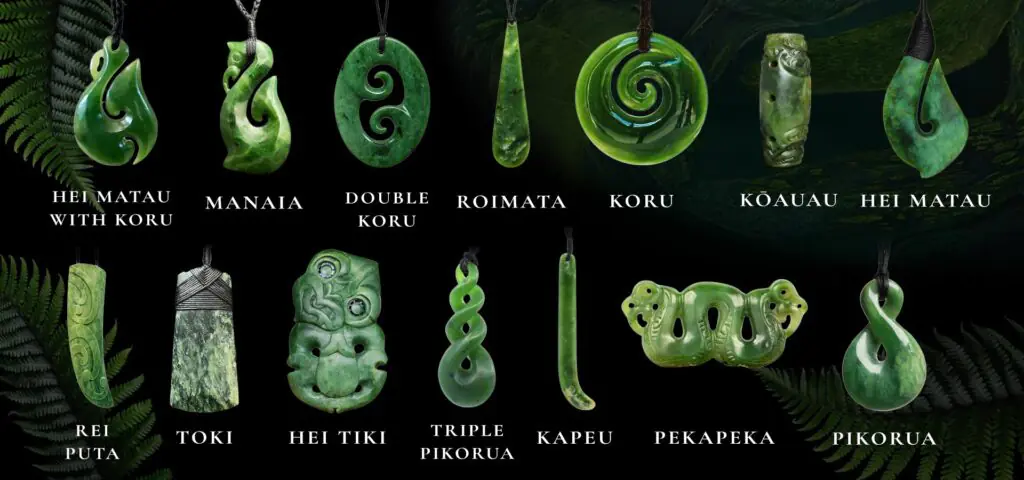
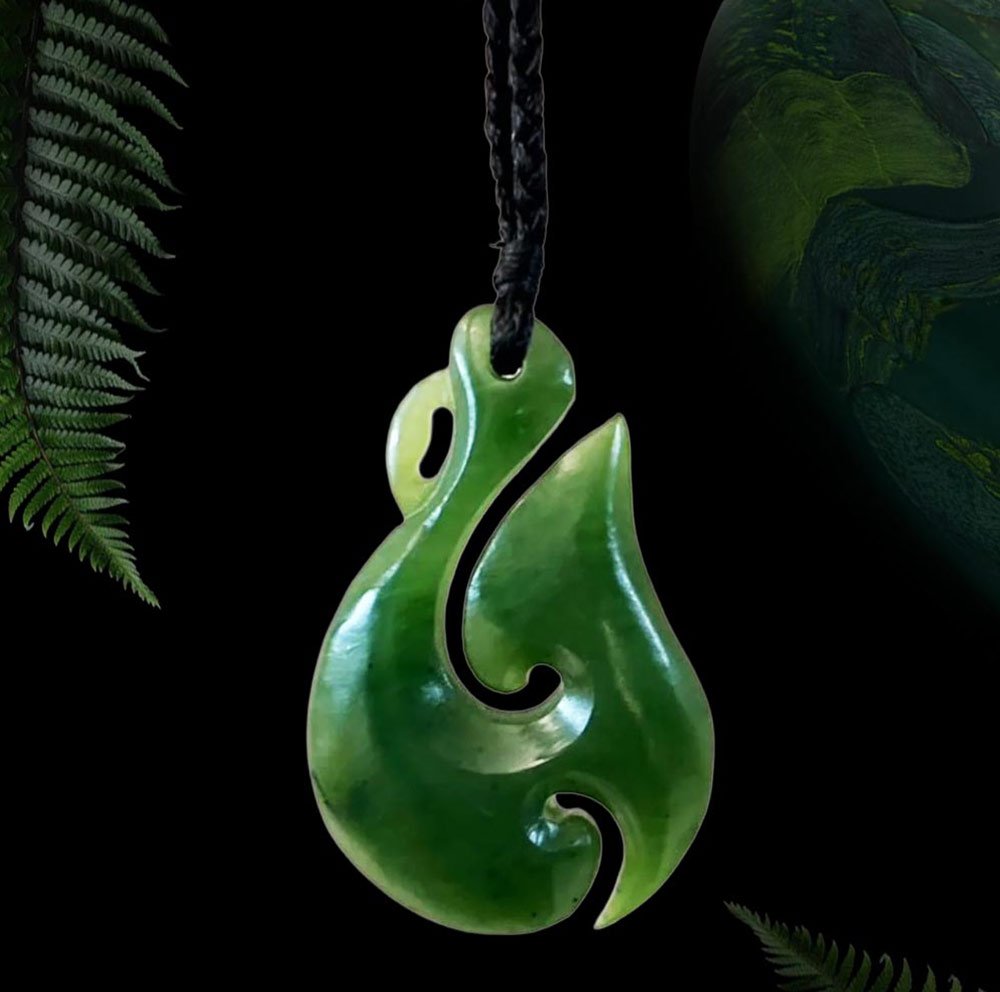
Several variations of the hei matau exist, each adding layers of meaning. The hei matau with koru combines the fish hook with the spiral of new life, creating a design that speaks to both abundance and growth. Some matau feature twisted or barbed elements, while others are clean and simple in form. Each variation is slightly different in its visual and symbolic emphasis.
The basic hei matau remains the most classical form, elegant in its curve and direct in its meaning. It is one of the most immediately recognisable pounamu designs and one of the most gifted. Read more: The Koru.
Wearing the Hei Matau
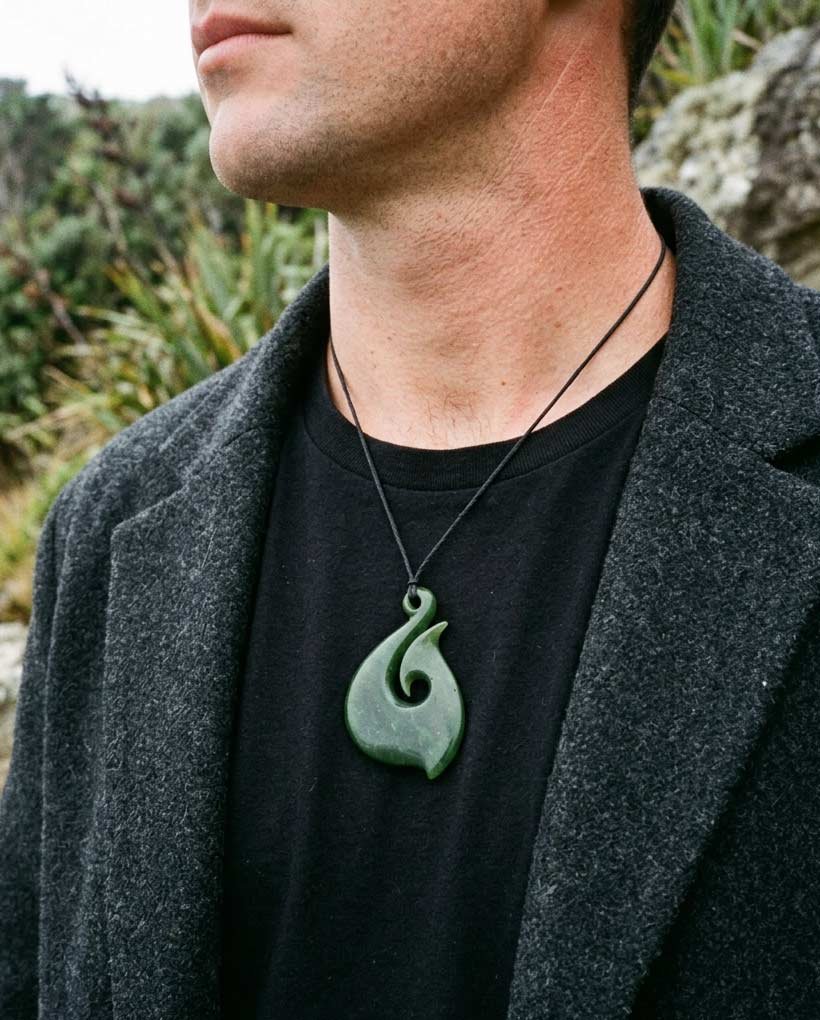
The hei matau is worn with the hook pointing downward, as it would when fishing, reaching into the depths. This orientation is considered important in Māori tradition, and inverting it is generally avoided. The pendant sits close to the body, connecting its energies directly to the wearer's mauri (life force).
Choosing a Pounamu Hei Matau
Hei matau come in a wide range of sizes and styles. A small, simple hook is understated and elegant for daily wear. A larger, more elaborate piece makes a significant statement. Kawakawa (dark green) produces a strong, classic piece; kahurangi (vivid green) creates something more vivid and striking. Read more: Types of Pounamu.
The hei matau is among the most universally meaningful pounamu gifts, appropriate for almost anyone and almost any occasion. Its message of abundance, strength, and safe passage is one that resonates across cultures and generations. Read more: Gifting Pounamu.
Frequently Asked Questions About the Hei Matau
The hei matau (fish hook) symbolises prosperity, strength, and safe travel over water. It connects to Māori fishing culture and mythology, and is one of the most popular and widely gifted pounamu designs in New Zealand.
Māori were skilled ocean navigators, and a matau was traditionally worn as a spiritual assurance of safe passage across water, a tradition that continues today for travellers and anyone with a connection to the sea.
Traditionally with the hook pointing downward, as it would when fishing, reaching into the depths. Inverting it is generally avoided in Māori tradition.
The standard hei matau is a classic fish hook shape on its own. The hei matau with koru combines it with a koru spiral, adding the meaning of new growth and beginnings alongside abundance and safe travel.
Yes. It's considered one of the most fitting gifts for frequent travellers, sailors, or anyone with a strong connection to the ocean, traditionally given before a significant journey.
Kawakawa (dark green) gives a strong, classic look, while kahurangi (vivid green) creates something more vivid and striking. Any authentic pounamu makes a meaningful hei matau. Read more: Types of Pounamu.