
The Koru: New Life, Growth & Harmony in Pounamu
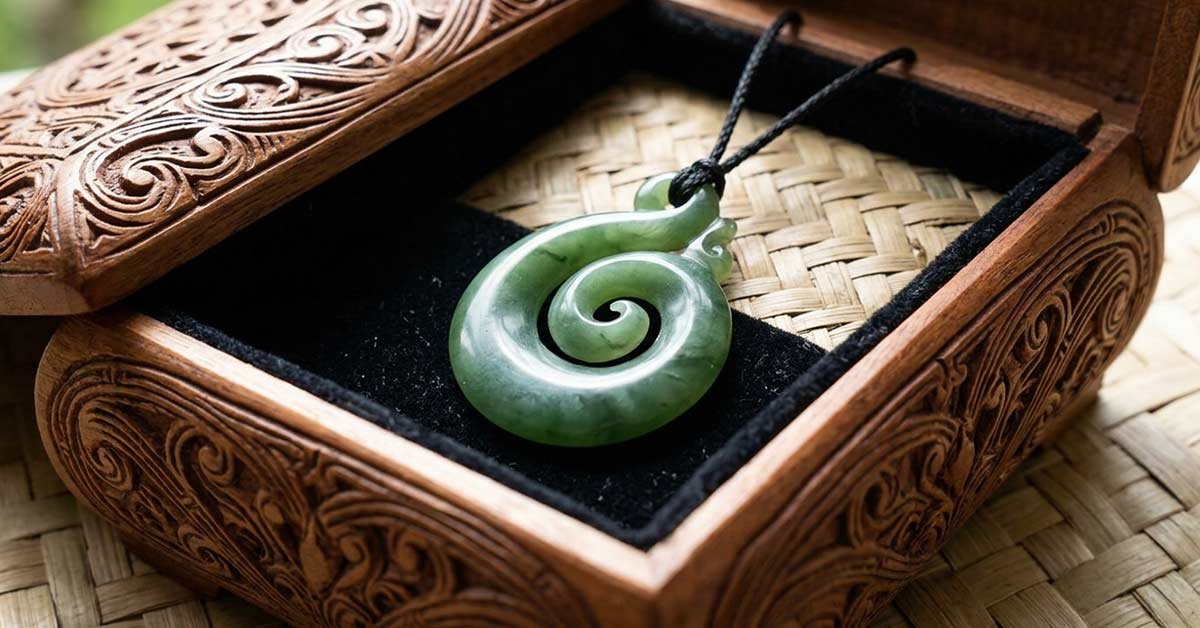
Among all pounamu designs, the koru is perhaps the most instantly recognisable. Inspired by the unfurling frond of Aotearoa's native silver fern, this elegant spiral has been carved into New Zealand greenstone for centuries. Its simple, graceful form carries profound meaning, and continues to resonate with people around the world today.
In Māori culture, the koru represents the cycle of life: growth, renewal, and the possibility of a fresh start. Whether worn as a personal talisman or gifted to mark a new chapter, a pounamu koru carries genuine spiritual weight. Read more: Pounamu Designs and Meanings.
Origins in the Silver Fern
The koru takes its form from the young shoot of the silver fern (Cyathea dealbata), a plant synonymous with New Zealand itself. As the frond unfurls, it reveals a perfect inward-turning spiral, a natural image of potential becoming reality. Māori observed this in the landscape around them and gave it lasting meaning: the koru became a symbol of life emerging, of something new coming into being.
The word "koru" itself means "loop" or "coil" in te reo Māori. Carvers have interpreted this form in pounamu for generations, each piece subtly unique depending on the stone and the hands that shaped it. No two koru are ever exactly alike.
Meaning: New Beginnings and Personal Growth
The most widely recognised meaning of the koru is new life and new beginnings. It is often gifted at times of transition, the start of a new job, a birth, a marriage, or a move to a new place. The inward spiral suggests that all new growth begins from within: from a place of stillness and inner strength. Read more: Benefits of Wearing Pounamu.
Beyond new beginnings, the koru also symbolises hope, harmony, and the nurturing of potential. Some wearers feel the koru encourages them to keep growing, spiritually, emotionally, or creatively. Its energy is gentle and expansive, like the fern frond itself reaching toward the light.
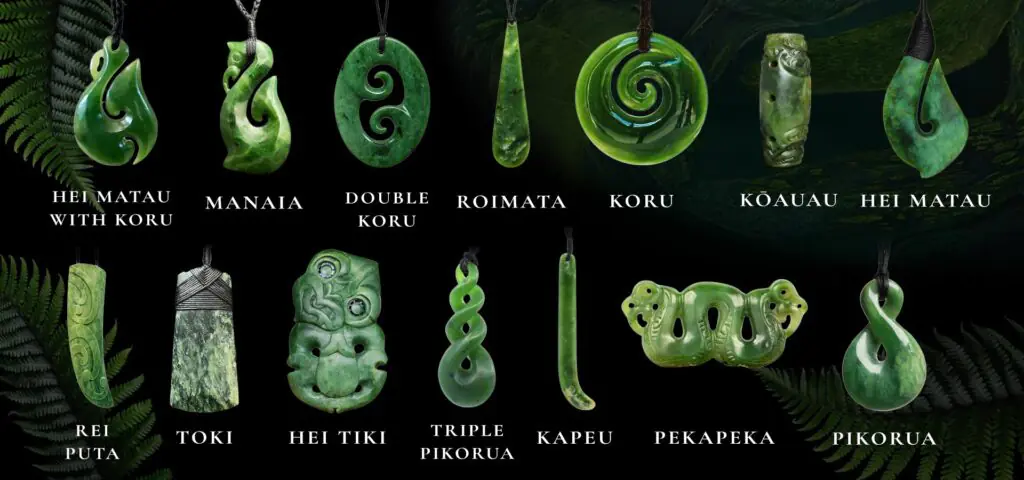
The Koru in Māori Art and Spiritual Life
In the broader context of Māori art and design, the koru appears not just in pounamu but in kōwhaiwhai (painted rafter patterns), tā moko (facial tattooing), and wood carving. Its repetition throughout Māori visual culture reflects how deeply embedded this form is in the culture's understanding of the world: cyclical, regenerative, and always in motion.
Pounamu itself is considered a taonga (treasure), and ownership of pounamu occurring in its natural state within the South Island was legally vested in Ngāi Tahu under the Ngāi Tahu (Pounamu Vesting) Act 1997, later reinforced by the wider 1998 Treaty of Waitangi settlement. Carrying or wearing greenstone connects the wearer to te ao Māori (the Māori world view). A koru carved in pounamu is therefore more than jewellery, it is a living piece of cultural heritage. Read more: What Is Pounamu?
Single, Double and Triple Koru Variations
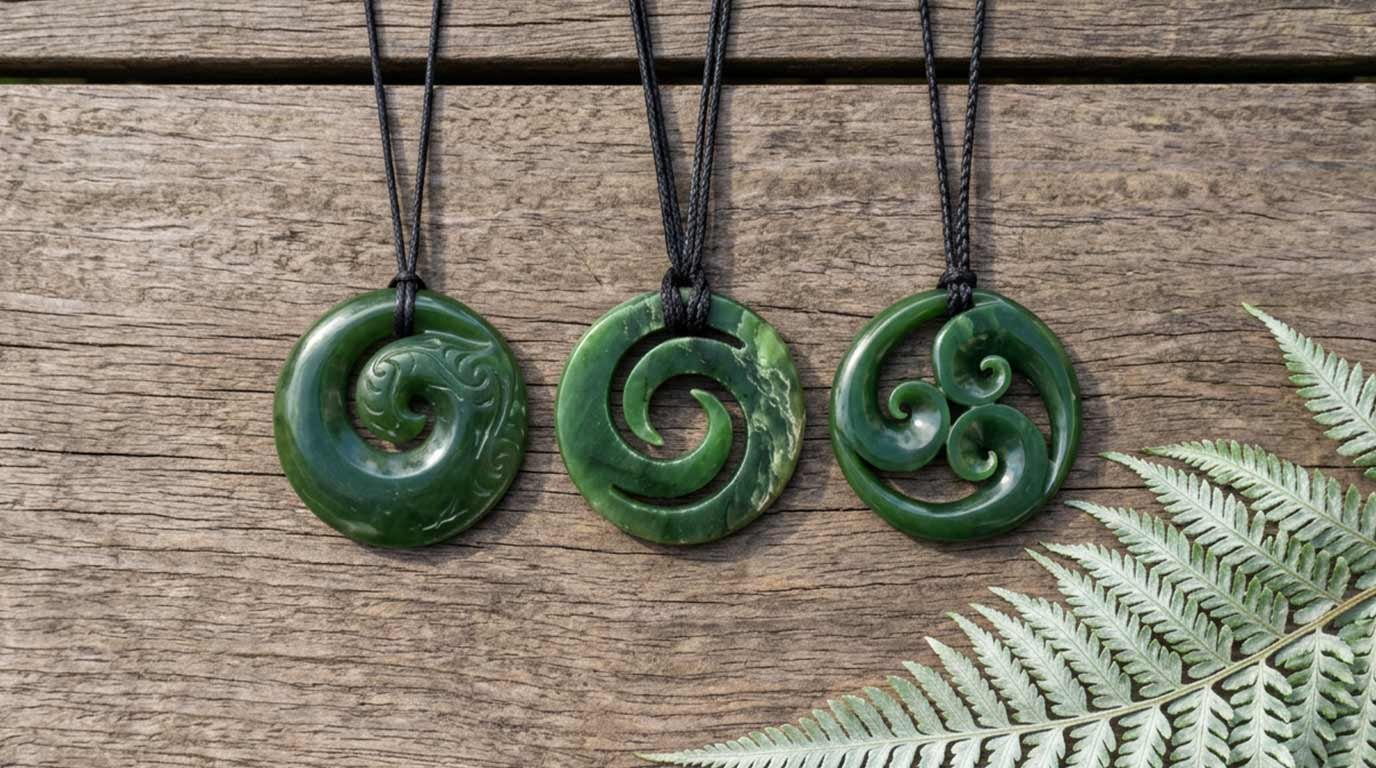
The basic koru design has inspired several meaningful variations. A double koru places two spirals together, often representing the bond between two people, parent and child, or two partners beginning a life together. A triple koru extends this further to encompass family or the connection between past, present, and future generations. Read more: Double Koru.
When choosing between these variations, consider what the piece is meant to represent. A single koru is deeply personal. A double koru makes a meaningful gift for a couple or between a parent and a newborn child. The triple form speaks to legacy, whānau (family), and the continuity of life through time.
Choosing and Wearing a Pounamu Koru
A koru pendant is one of the most popular forms of pounamu jewellery, and for good reason: it is visually striking, culturally meaningful, and deeply personal. When choosing a koru, consider the type of pounamu stone: kawakawa (dark green), īnanga (pale translucent), or kahurangi (vivid, clear green) each carry their own energy and character. Read more: Types of Pounamu.
A Universal Symbol Rooted in Aotearoa
While the koru is rooted in Māori culture, its message resonates universally. The idea that all life begins small and spirals outward, that growth is inward-looking before it becomes outward, is a truth that transcends any single tradition. For this reason, the koru has become one of the most beloved symbols associated with Aotearoa New Zealand.
In Māori tradition, pounamu holds the most meaning when gifted by another person. A koru given with aroha (love) and genuine intent becomes charged with the relationship between giver and receiver. Over time, the stone is said to absorb the wearer's mauri (life force) and become truly their own. Read more: Gifting Pounamu.

Frequently Asked Questions About the Koru
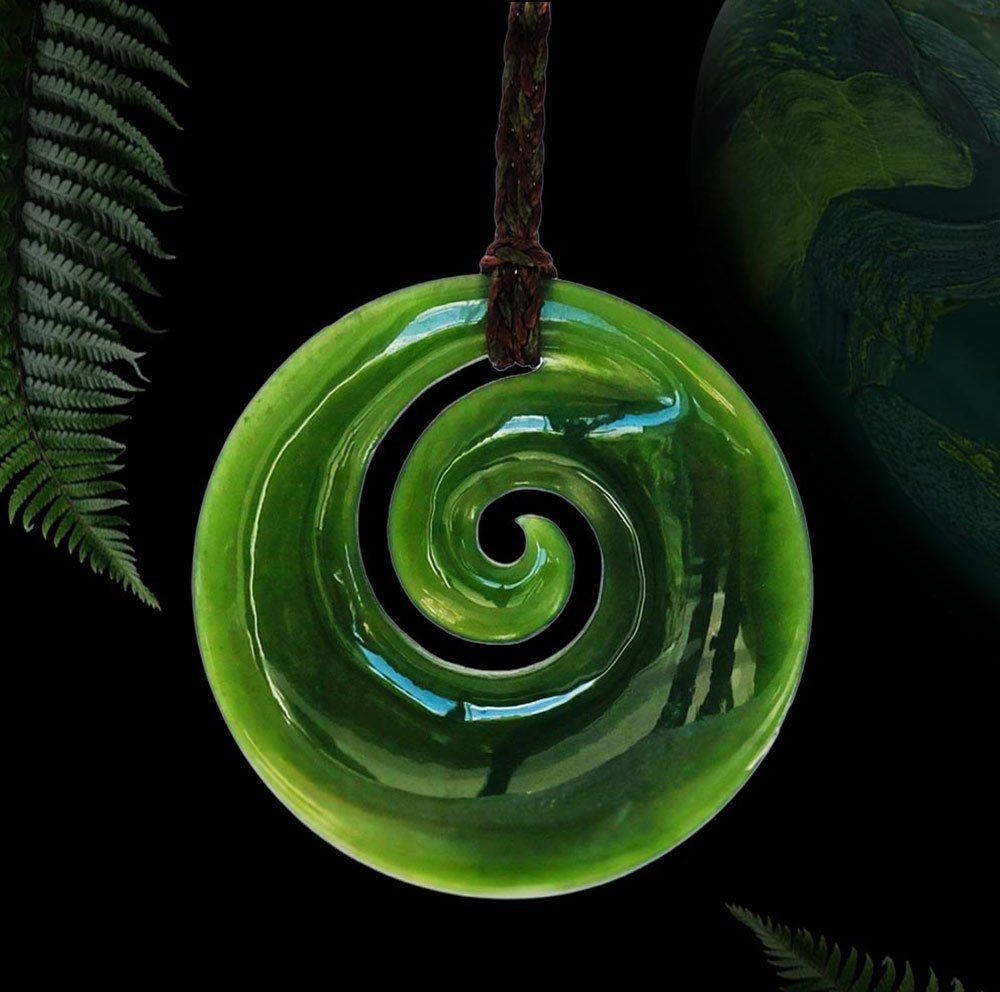
The koru symbolises new life, growth, strength, and peace. It is inspired by the unfurling frond of the silver fern and represents the continuous cycle of life and renewal in Māori thought. It is one of the most positive and widely gifted pounamu designs.
The koru originates in Māori culture and art, where it appears in carving, tā moko, and woven patterns. While it has become widely associated with New Zealand more broadly, its roots and deepest meaning lie in te ao Māori, and it should be worn with respect for that origin.
The koru is ideal for new beginnings, births, graduations, new jobs, marriages, or any major life transition. Its message of growth and hope makes it a heartfelt and appropriate gift for many milestones and meaningful moments.
Any type of pounamu makes a beautiful koru. Kawakawa (dark green) is the most traditional; īnanga (pale, translucent) has a softer feel; kahurangi (vivid green) is considered especially precious. Read more: Types of Pounamu.
Traditionally, pounamu holds the most meaning when gifted by another person. However, buying a piece for yourself is widely practised today. The important thing is the intention and respect with which the piece is chosen and worn.
Rinse occasionally in fresh water and dry gently with a soft cloth. Avoid harsh chemicals and prolonged direct sunlight. Store your piece in a soft pouch when not wearing it to protect its surface. Read more: How to Care for Pounamu.