
Hei Tiki Meaning: What the Pounamu Tiki Represents
At its most basic, "hei" means neck pendant and "tiki" refers to the human form, so a hei tiki (also written hei-tiki) is a figure in human form worn around the neck. What the figure itself represents is less certain, and New Zealand's national museum, Te Papa, describes its meaning as uncertain.
The hei tiki is the best-known Māori adornment and one of the most recognised pounamu designs. Three main traditions are recorded about what it stands for: Tiki, the first man; Hine-te-iwaiwa, the ancestor associated with fertility; and the unborn child. Views differ, and no single meaning is accepted by everyone.
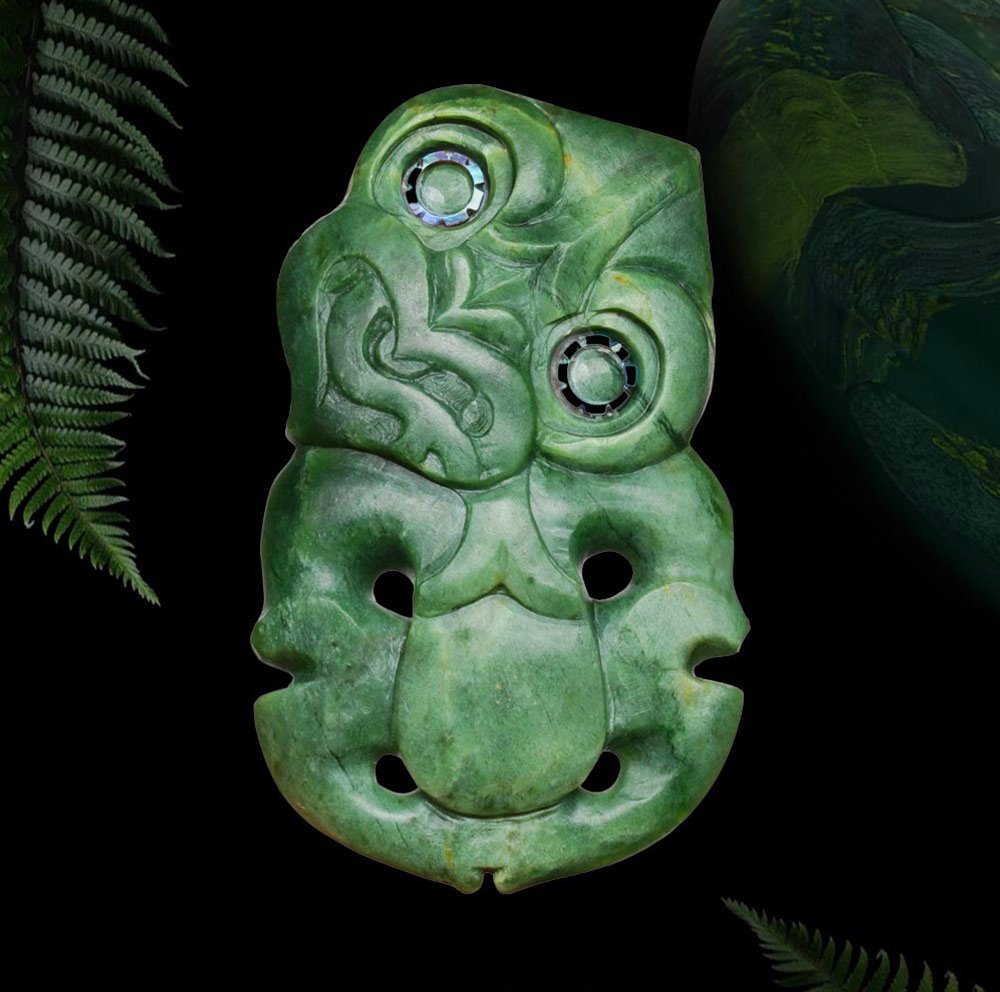
This guide explains what the words mean, sets out each of those traditions, looks at how hei tiki were worn and passed down, and covers what to keep in mind if you are thinking of wearing one, with the tikanga and cultural respect the design deserves.
What Does Tiki Mean?
The name describes the object. "Hei" refers to something worn at the neck, and "tiki" refers to the human form. A hei tiki is therefore a carved human figure worn as a pendant, usually on a cord so that it rests on the chest.
In Māori tradition, Tiki is also a name connected with the origins of people. In some accounts Tiki is the first man, created by Tāne. This overlap between the everyday meaning of the word and the ancestral figure is one reason the pendant's meaning has been interpreted in more than one way.
In everyday English, "tiki" on its own is often used as shorthand for the pendant. Strictly speaking, the neck pendant is the hei tiki, while "tiki" can also describe other carved human figures, such as larger wooden carvings.
What Does the Hei Tiki Represent?
There is no single agreed answer. Both Te Papa's hei tiki collection and Te Ara, the Encyclopedia of New Zealand, record the same three main traditions, and views vary between iwi, carvers and families.
Tiki, the first man
Some people connect the hei tiki with Tiki, the first man and an ancestor of humankind. In this reading the pendant links the wearer to the origins of people and to whakapapa (genealogy). Te Papa notes one complication: many hei tiki are female, which suggests the pendant takes its name from the human form in general rather than portraying Tiki himself.
Hine-te-iwaiwa and fertility
Another tradition links the hei tiki with Hine-te-iwaiwa (also written Hineteiwaiwa), an early ancestor associated with fertility, childbirth and womanhood. Some accounts say the first hei tiki was given to her. This connection is one reason the hei tiki is often described as a fertility symbol.
The unborn child
A third interpretation is that the figure represents the unborn child or human embryo. The large head, curled limbs and compact body are sometimes read in this way. Like the other two, this is one tradition among several rather than a settled fact.
Rather than choosing one, many people see the hei tiki as holding all of these ideas together: ancestry, the beginning of life and the continuation of a family line.
How Hei Tiki Were Worn and Passed Down
Hei tiki are often heirlooms that embody the wearer's lineage. A piece handed down through generations is valued not only for the stone and the skill of the carving, but for its association with the ancestors who wore it before. This is part of what makes a hei tiki a taonga (treasure) rather than simply jewellery.
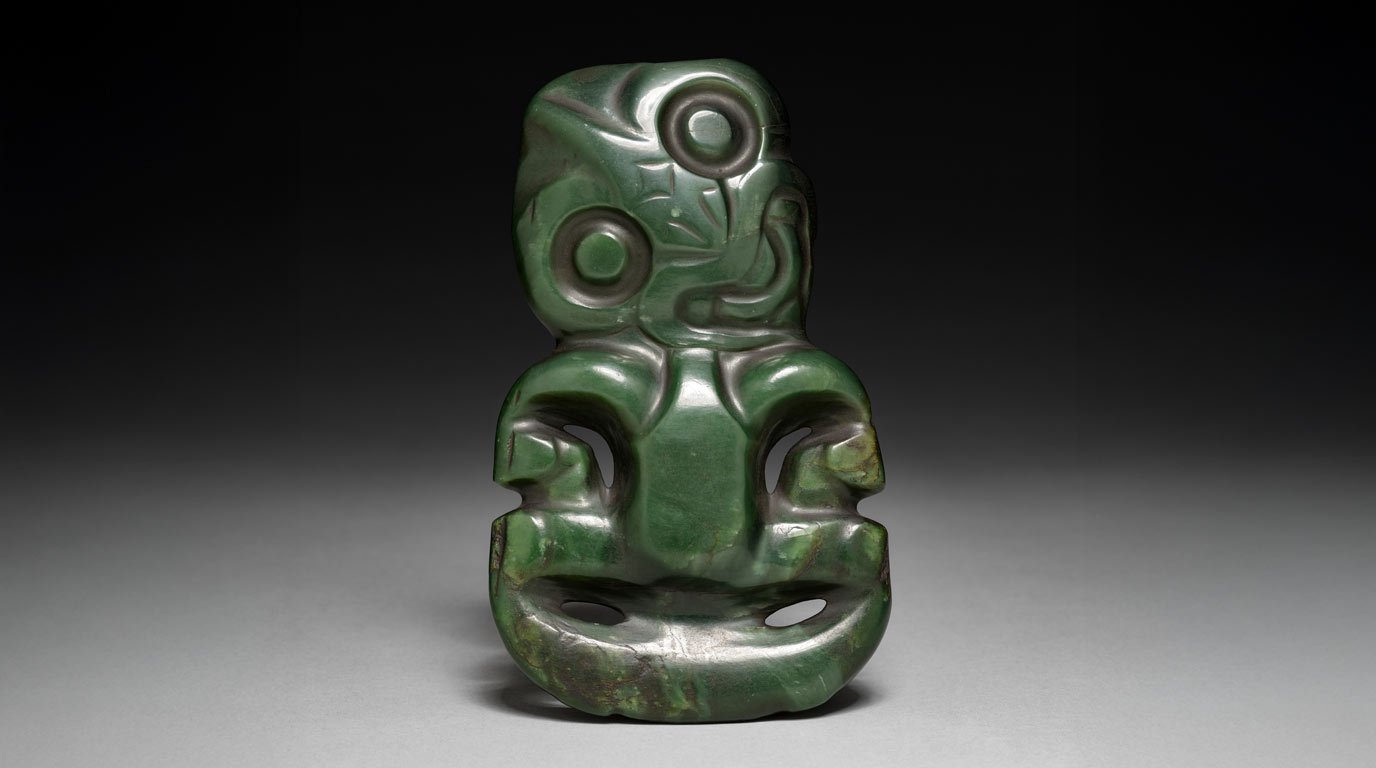
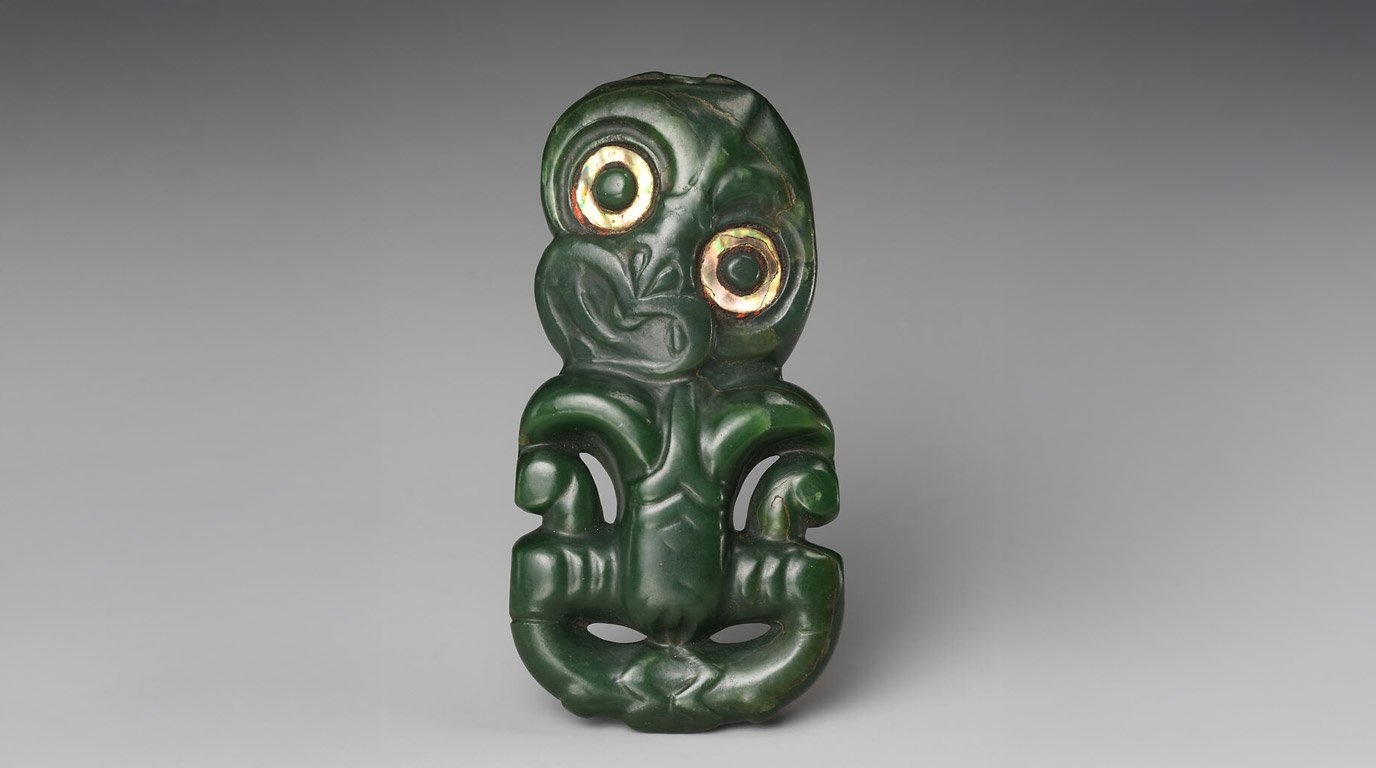
That long history is also why historic hei tiki are among the most valued of all pounamu taonga. Fine examples have sold for six-figure sums at international auction, as covered in our guide to the most expensive pounamu.
Who wore them appears to have changed over time. Te Papa notes that in the late 1700s, Captain James Cook saw mostly men wearing hei tiki, while accounts from the late 1800s describe them being worn mainly by women, particularly during pregnancy and childbirth.
Some accounts also describe a hei tiki being used in mourning, standing in for a person whose body could not be recovered. As with much of the pendant's history, practices varied, and family and iwi traditions are the best guide to how a particular piece was treated. Hei tiki were also exchanged as gifts, in keeping with the wider tradition of why pounamu is traditionally gifted.
The Shape of a Hei Tiki
Most traditional hei tiki share a recognisable form, although no two are identical:
The head tilts to the left on some pieces and to the right on others, and regional styles differ in the shape of the head and the detail of the body. Modern carvers sometimes give individual features their own meaning, such as reading the tilted head as a newborn child, but these are interpretations rather than fixed rules.
Pounamu is very hard, so a hand-carved hei tiki represents many hours of work. You can read more about the process in our guide to how pounamu is carved.
Is the Hei Tiki the Same as a Pacific Tiki?
Not quite. Various tiki forms appear throughout Polynesia, and carved human figures are found in the wood carving of many Pacific island groups. The Māori hei tiki shares that wider ancestry but has its own meaning, its own form and its own history in Aotearoa.
The pounamu neck pendant in particular is distinctively Māori, carved from stone found only in the South Island. If you have searched for "tiki" and found carvings from Hawaiʻi, Tahiti or the Marquesas, these are related traditions rather than the same object. See where pounamu is found for more on the stone itself.
The Hei Tiki Today
Hei tiki have become iconic emblems of both Māori and New Zealand. Te Papa records that green plastic tiki were once handed out to passengers on the national airline in the 1960s and 1970s, and that the Beatles were photographed wearing oversized tiki during their 1964 visit.
That popularity has a downside: many mass-produced tiki are made from imported jade, resin or other materials, and their meaning is often flattened into a simple good luck charm. For many Māori, a hei tiki carved from pounamu remains a taonga tied to identity and ancestry, and contemporary carvers continue the tradition with care.
If you are choosing one, it helps to read up on how to choose a pounamu pendant and how to tell if pounamu is real. Some people also choose to have their piece blessed; views vary on whether this is essential.
Other Pounamu Designs
The hei tiki is one of many traditional forms. Explore what the others mean: