
Antoinette of Your PRANA: Carving Pounamu in Te Tai Tokerau
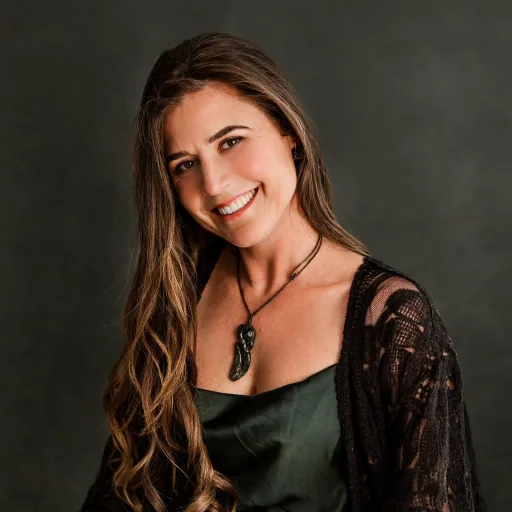
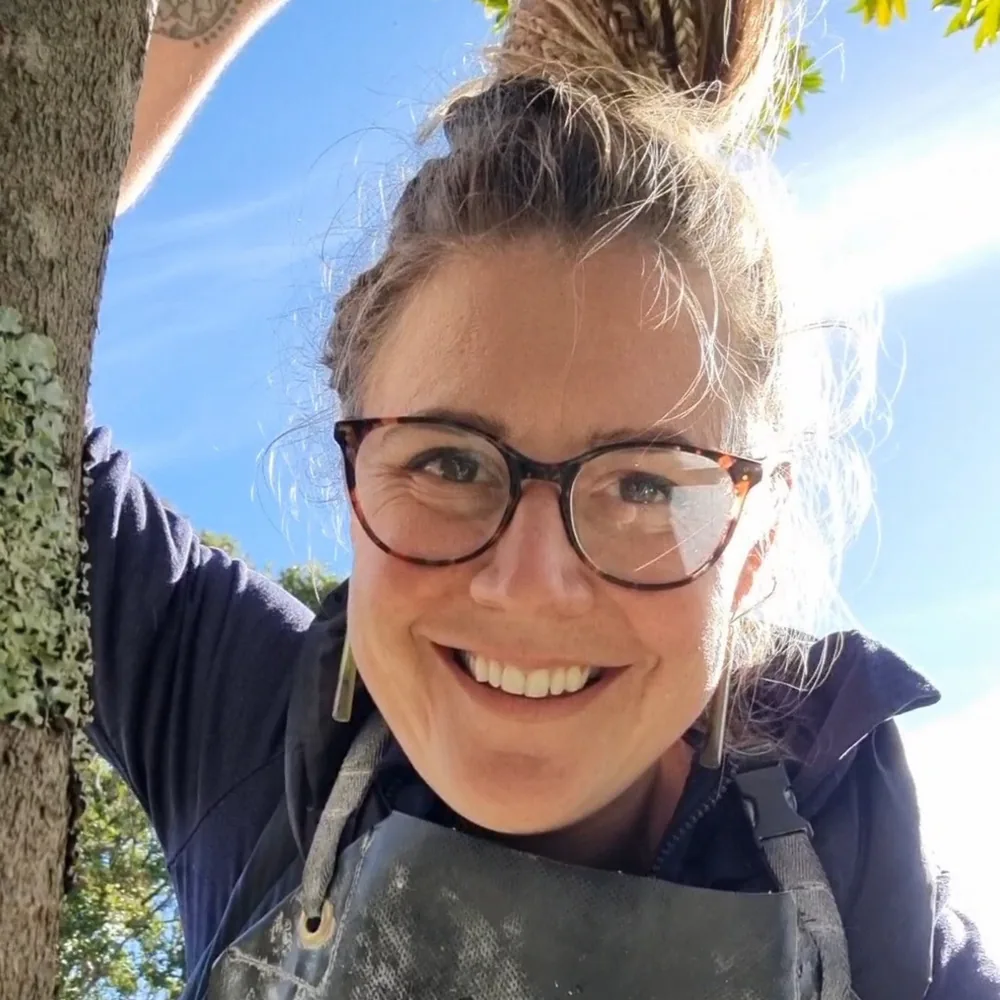
Antoinette is a pounamu carver, jeweller and mineral specialist working from her own workshop in Kerikeri, at the top of the North Island. She cuts, carves, binds and finishes every piece by hand.
In the first of our carver conversations, she talks about growing up with a love of stones, carving pounamu a long way from the rivers it comes from, and why she believes the story behind a taonga matters as much as the stone itself.
Getting to Know Antoinette
Who are you, and where do you call home?
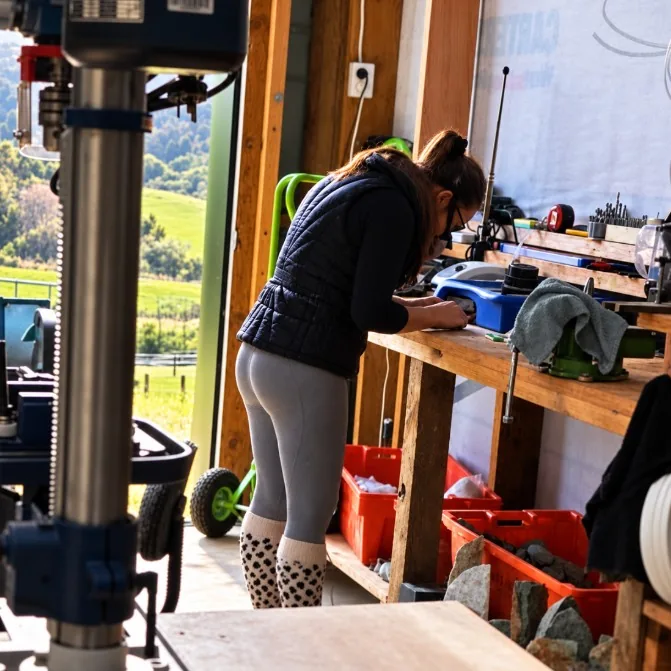
I'm Antoinette, founder of Your PRANA Mineral Gallery, a pounamu carver, jeweller and mineral specialist based in Kerikeri, Te Tai Tokerau. My workshop is where most of the magic happens: cutting, carving, binding and finishing each piece by hand.
How did Your PRANA come about, and what's the story behind the name?
Your PRANA grew from my lifelong love of stones and my background in yoga, where prāṇa speaks to life-force energy. For me, the name is about helping people connect more deeply with what and who matters most to them, raising their energy, awareness, purpose and aroha in a way that feels uniquely their own.
What did life look like before you started carving? Was there a moment when it shifted from interest to calling?
My love of stones started when I was young, and that fascination only deepened as I grew. Over time, I wanted to understand the material more intimately, work with it more, and share the full journey from raw stone to finished piece. Carving became less something I did and more part of who I am.
What's it like being a pounamu carver up in Te Tai Tokerau, so far from where the stone comes from?
It creates a very conscious relationship with the material. I don't take having pounamu on my bench for granted.
Living and carving in Te Tai Tokerau while working with stone from Te Waipounamu means provenance, relationships and knowing where the material has come from are incredibly important to me.
Pounamu is found only in the South Island, so every piece carved in the north has travelled a long way. Read more about where pounamu is found.
Antoinette and Pounamu
Do you remember the first piece of pounamu that really meant something to you?
I've been gifted many pieces of pounamu over the years, and my first piece meant a great deal to me. But right now, the two that mean the most are pieces passed down to me after my dad died earlier this year. They carry his whakapapa, his memory, and so much of my own personal journey.
You talk about working with the individual character of each kōhatu. What does that look like when a new stone arrives on your bench?
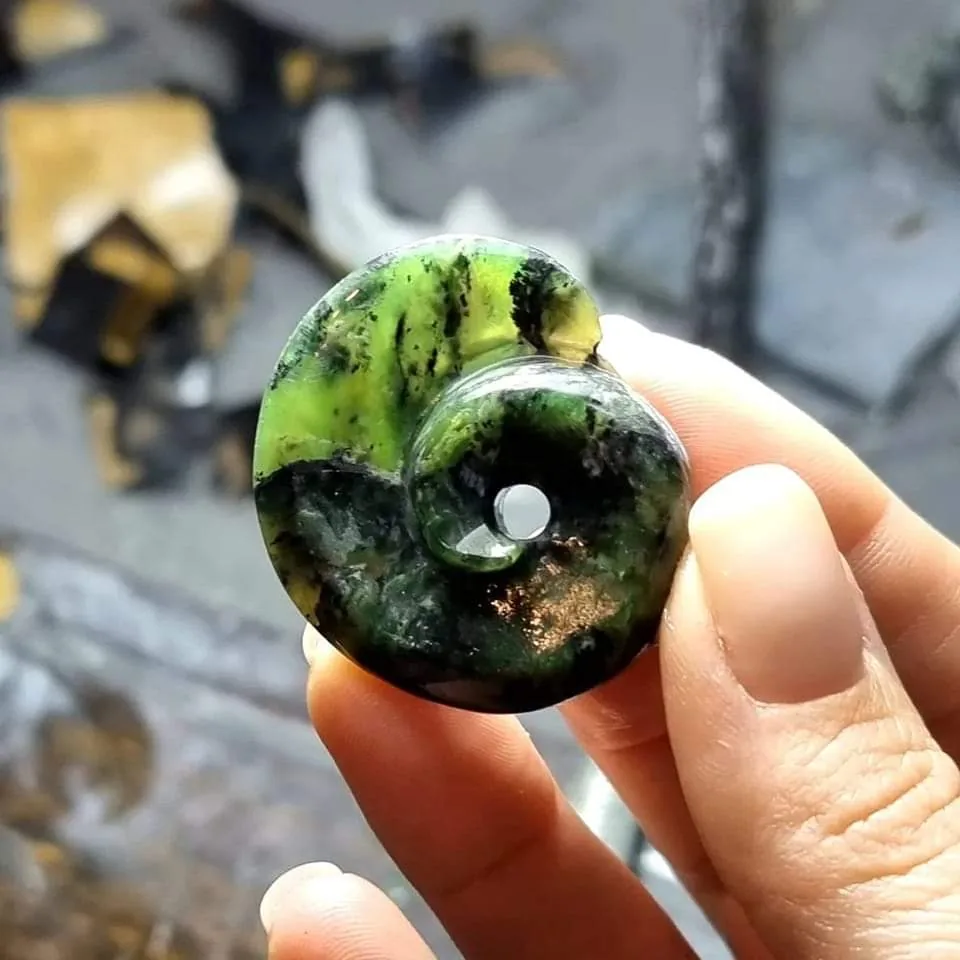
I spend a lot of time looking before I start cutting. I wet the stone, turn it in my hands, look at the colour, translucency, inclusions, fractures and natural movement through it.
I don't believe every piece of stone should become the design I initially had in my head. Sometimes the stone changes the plan completely. My job is partly to carve it, but also to pay attention to what is already there.
My job is partly to carve it, but also to pay attention to what is already there.
Antoinette, Your PRANA
Where does your stone come from, and why does provenance matter so much to you?
Where a stone comes from matters enormously to me. Pounamu is found in Te Waipounamu, the South Island, particularly along Te Tai Poutini, the West Coast. I also work with other kōhatu from around Aotearoa, and I love knowing and sharing where each stone has come from. That provenance gives the person who eventually carries it another layer of connection, to the whenua, the awa, the maunga and the story of that place.
Is there a type of pounamu or a particular stone you find yourself drawn to again and again?
I'm usually drawn to character rather than perfection: beautiful variations in colour, pattern, translucency and inclusions that make a stone unmistakably its own.
I work with many different varieties, and quite often the pieces I'm most excited by are the ones that reveal something unexpected once I begin cutting.
How do tikanga and your own whakapapa or relationships shape the way you work with pounamu?
I approach pounamu with respect, humility and a willingness to keep learning. My whakapapa connects back to the West Coast, so there is a deeply personal journey in this mahi for me too, but I'm also conscious that different hapū and iwi hold their own perspectives and relationships with pounamu.
For me, it's about honouring the kōhatu, its provenance, the people and whenua connected to it, and sharing each taonga in a way that respects te ao Māori while allowing the person who carries it to form their own meaningful connection with it.
Inside Antoinette's Mahi
Talk us through a piece from raw stone to finished taonga. What part do you love most, and which part tests your patience?
It begins long before the carving itself. I study the raw stone, decide where and how to cut it, slice it, shape the piece, progressively refine and sand it, polish it, and then finish it through binding or jewellery work.
I love the moment a piece begins to reveal itself, particularly when the colour and character hidden inside the raw stone start coming through. The painstaking finishing stages probably test my patience the most, but they're also what separate an okay piece from one I'm genuinely proud to put my name behind.
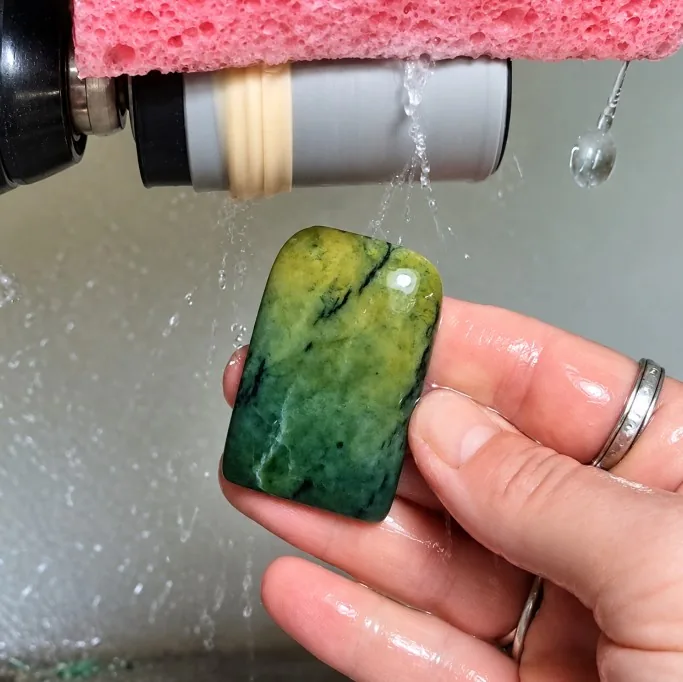
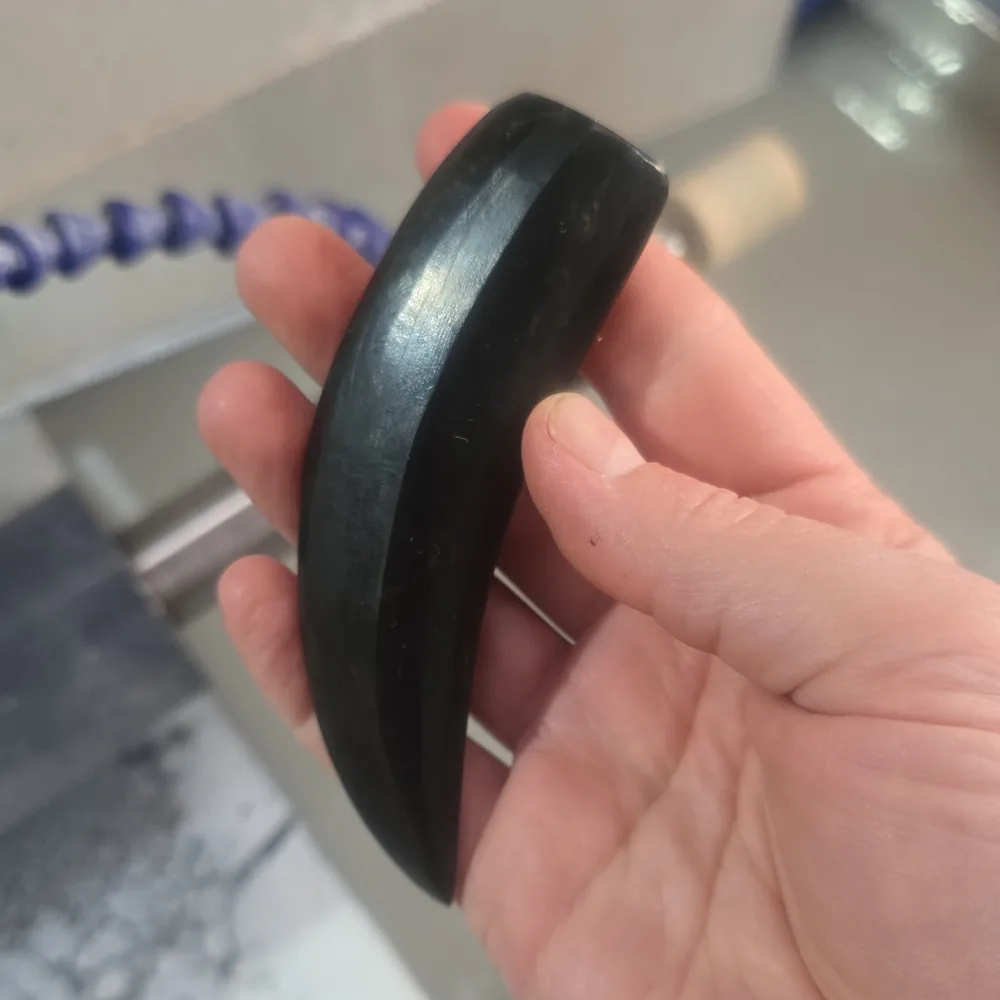
Want to know what goes into each stage? Our guide on how pounamu is carved covers the full process.
You make both traditional taonga and contemporary pieces like earrings. How do you balance the two?
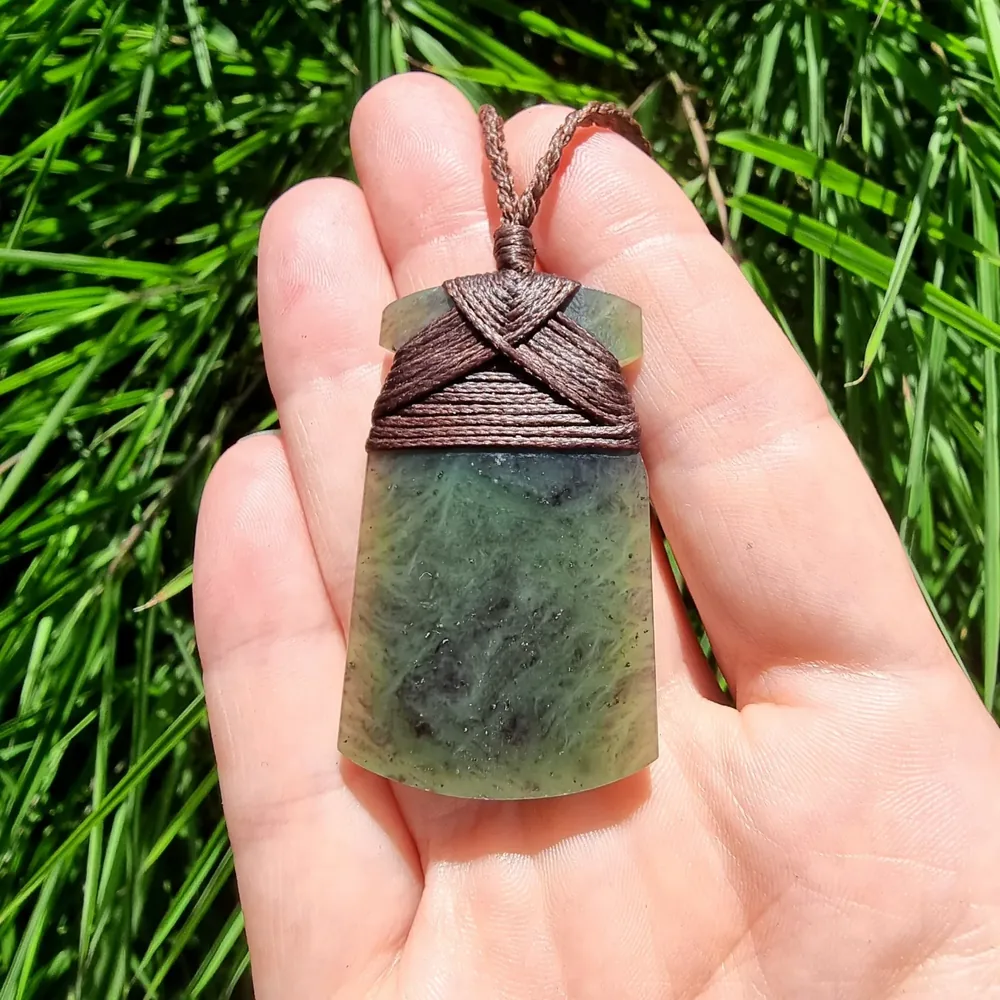
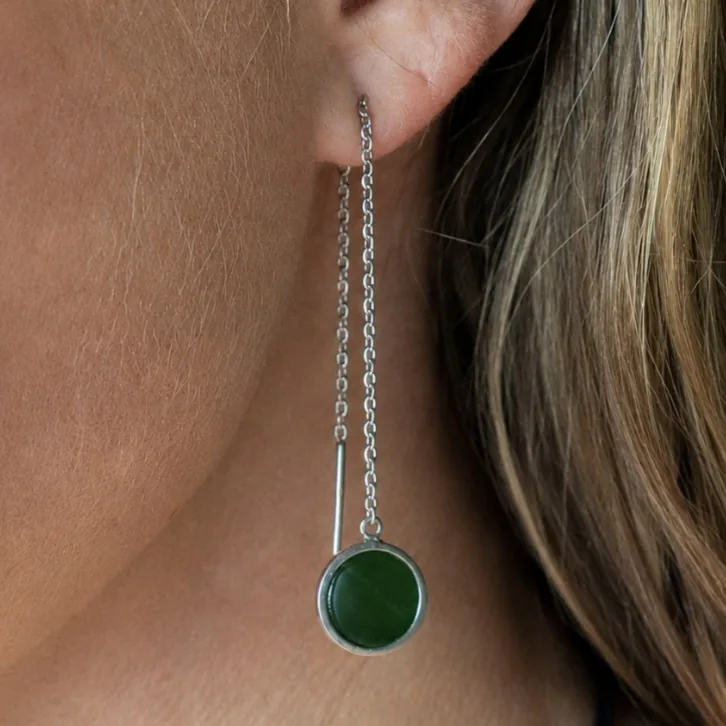
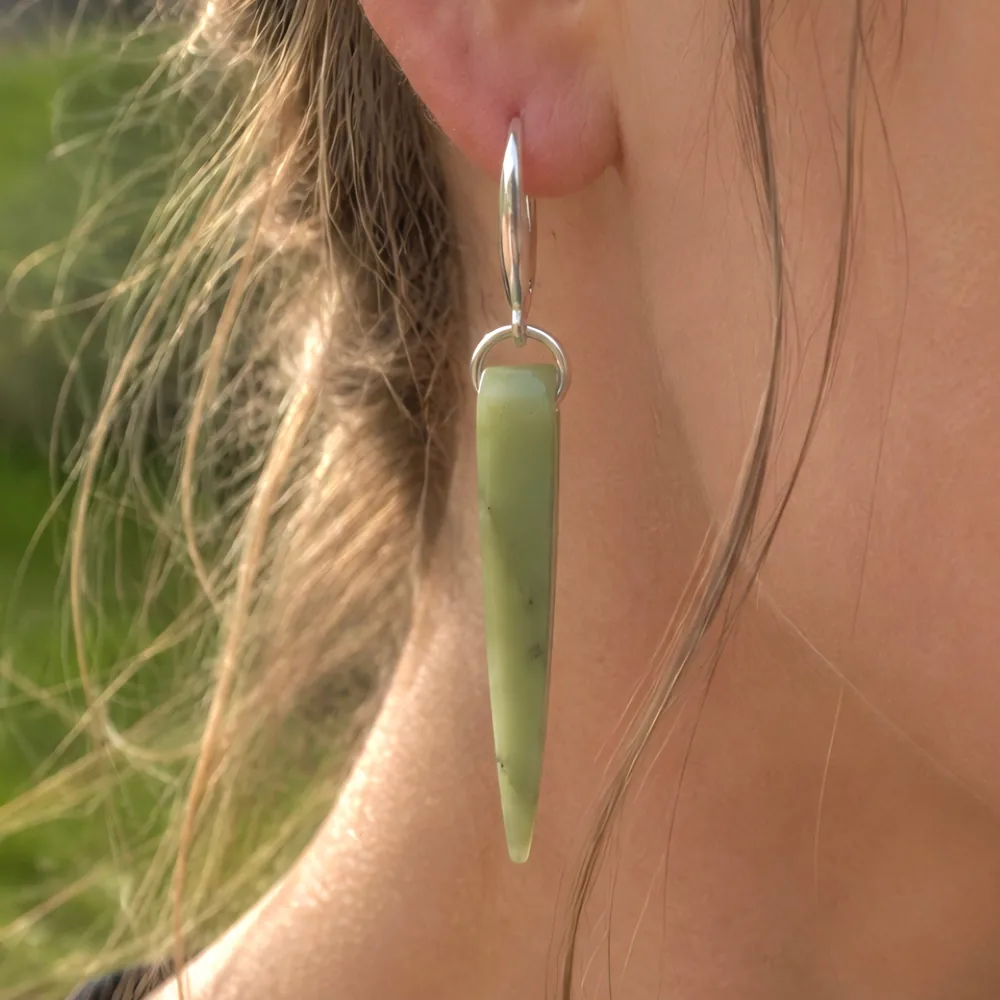
I love both. Papatūānuku Taonga is my pounamu carving collection, rooted in recognisable forms like hei toki and roimata, while Aroha Paparahi takes pounamu into a more contemporary jewellery space. Alongside that, Timeless Elegance reflects my Dutch ancestry through gemstone jewellery.
For me, Aroha Paparahi bridges those worlds. None of the collections compete. They're simply different ways of expressing identity, story and connection through stone.
How do you make sure the kōrero behind a piece travels with its owner when it leaves your hands?
Story is a huge part of every taonga I create. I share the stone, the form, the process behind it and what it represents.
I want someone to leave with much more than something beautiful to wear. I want them to understand what they're carrying, and for their taonga to become a personal reminder, almost like a compass, reconnecting them to their strength, purpose and what matters most to them.
Is there a piece, or a person you made something for, that has stayed with you?
There are honestly too many to count. What stays with me most are the people who keep coming back, for themselves, for friends, for whānau, sometimes even travelling back from overseas for another piece.
That means a lot to me. It's a reminder of what can happen when something is created with aroha: one taonga can become part of a much bigger story, carried from person to person, place to place.
One taonga can become part of a much bigger story, carried from person to person, place to place.
Antoinette, Your PRANA
What would you love people to understand about pounamu before they buy their first piece?
That no two pieces are the same, and that this is part of the beauty of it.
Pounamu isn't a manufactured material where perfection means uniform colour and flawless surfaces. Its markings, inclusions, shifts in colour and individual character are part of the stone's story.
I'd also love people to ask where their pounamu came from, who made it and what journey it took before reaching them.
Three Quick Ones
- A design you never get tired of carving
- Hei toki. There are endless ways for such a beautifully simple form to take on its own personality.
- Best spot in Northland to clear your head
- The beach, every time. Sunshine, toes in the sand and the water nearby. If not, the bush or forest, where I can ground, sit quietly and listen to the birdsong.
- One word that sums up your mahi
- Connection.
Your PRANA Mineral Gallery, Kerikeri
See her listing for contact details and location, or browse her collections online.