
The Roimata: Compassion, Grief & the Healing Power of Tears
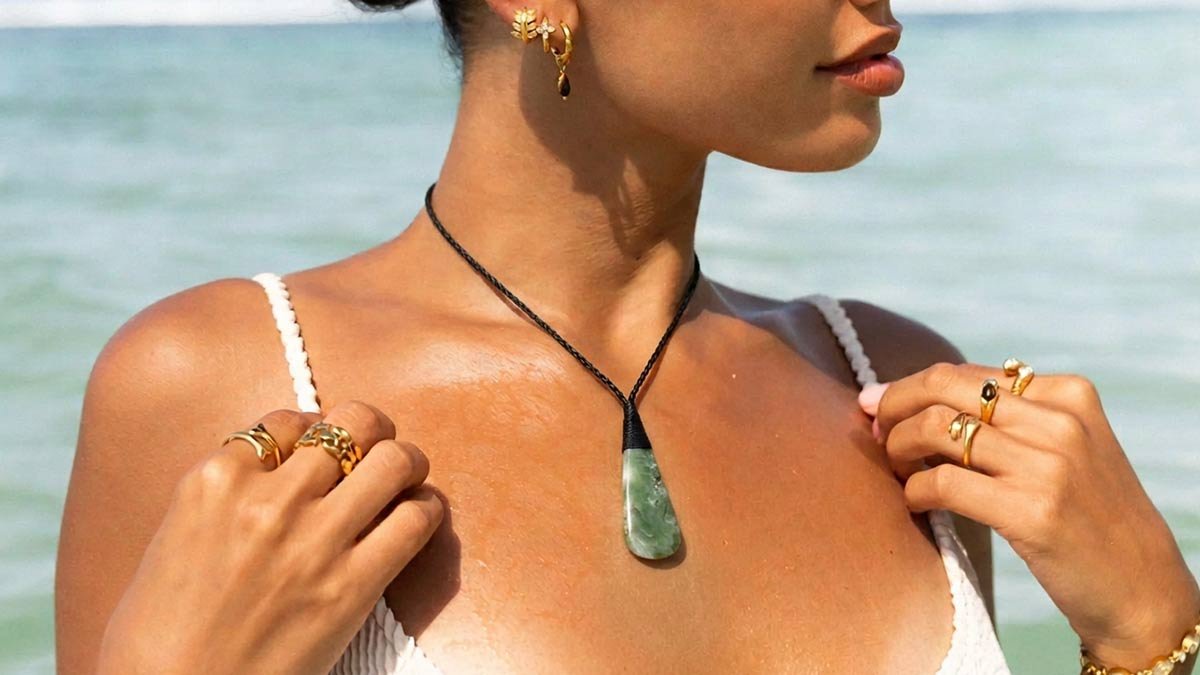
The roimata is a pounamu design of quiet and profound emotional depth. Shaped like a teardrop, it takes its name directly from the Māori word for tears, and in that simple form carries one of the most human of all experiences: grief, compassion, and the comfort that flows when one person reaches out to another in their sorrow.
In Māori tradition, tears are not signs of weakness. They are expressions of deep feeling: of love, of loss, of the bonds between people. The roimata honours that understanding, making it a design of great emotional honesty and empathy. It is most often gifted in times of loss or to express deep solidarity. Read more on gifting pounamu.
The Meaning of Tears in Māori Culture
In Māori culture, tears (roimata) are a visible expression of aroha, the love and care that binds people together. To weep at a tangi (funeral) is to honour the deceased and demonstrate the depth of the relationship. Tears are not suppressed or considered shameful, they are understood as a natural and necessary part of healing.
The roimata design captures this understanding in stone. It acknowledges that grief is real, that loss matters, and that the act of crying is itself an act of love. Wearing a roimata can be a personal reminder of someone lost, or a gift that says: I see your sorrow, and I stand with you in it.
Meaning: Compassion, Healing and Solidarity
Beyond grief, the roimata also carries the meaning of compassion more broadly: the capacity to feel another person's pain and respond with warmth. It is associated with healing, the belief that expressing sorrow fully, rather than suppressing it, allows wounds to close and life to continue. Read more on the benefits of wearing pounamu.
This makes the roimata one of the most emotionally generous of all pounamu designs. It does not minimise pain or offer false comfort. Instead, it witnesses suffering and responds with presence. A roimata given to someone in grief says clearly: I honour your loss, and I will not ask you to move on before you are ready.
The Roimata as a Gift of Comfort
The roimata is most commonly given at times of bereavement, after the death of a loved one, following a significant loss, or to someone navigating a period of deep grief. It is also given to those who work in caring professions, to acknowledge the emotional weight of the work they carry. A midwife, a counsellor, a hospice nurse: these are people who regularly hold space for others' pain, and a roimata honours that invisible labour.
In some instances, the roimata is also given to celebrate deep compassion, not in sorrow but in recognition of someone whose capacity for empathy and kindness is exceptional. It becomes in this reading a design of emotional strength, not just emotional pain.
Roimata and Pounamu's Relationship to Emotion
Pounamu is widely understood in Māori tradition to absorb and hold the energy of its wearer. A roimata worn during a period of grief becomes infused with that experience, not as something negative, but as a record of love and loss that is part of the wearer's story. Over time, the stone becomes a taonga (treasure) of deep personal history. Read more on what pounamu is.
The roimata sits alongside the kapeu as one of the more emotionally specific pounamu designs, both have a curved, organic quality that speaks to the inner life rather than outward action. Where the kapeu curves with grace and status, the roimata curves with feeling.
Wearing the Roimata
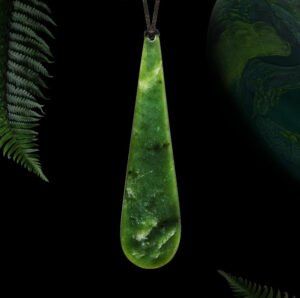
The roimata is a relatively simple form, a smooth, tapered teardrop, which means the quality of the pounamu itself is especially apparent. A high-quality stone with good colour and translucency makes a roimata that is genuinely beautiful as well as meaningful. It is a design where less is more: the simplicity of the form is part of its emotional clarity.
Choosing a Roimata in Pounamu
The roimata works particularly well in paler stones, īnanga (pale greenstone) or tangiwai, whose translucency echoes the watery quality of tears and the emotional openness the design represents. Darker kawakawa roimata are also beautiful, with a grounded, held quality that speaks to endurance through grief. See the full range of types of pounamu.
Whatever the stone, the roimata is a genuine act of love when given with care and intention. It says: tears matter, compassion is strength, and I carry your grief with you. Read more on the history of pounamu.
Frequently Asked Questions About the Roimata
The roimata takes its name from the Māori word for tears and represents grief, compassion, and healing, an acknowledgement that sorrow and love are closely connected.
A roimata is most commonly given after a bereavement or significant loss, or to someone navigating a difficult time. It's also a fitting gift for those in caregiving professions who regularly hold space for others' pain.
Not necessarily. While closely tied to grief, the roimata is really about compassion and connection between people. Many choose to see it as a symbol of emotional strength and generosity, rather than sadness on its own.
Paler stones such as īnanga or tangiwai are popular for the roimata, echoing the translucent, watery quality of tears. Darker kawakawa stone works equally well, giving the design a grounded, more enduring feel. See the full range of pounamu types.
Yes. Roimata are sometimes given to celebrate someone's compassion and empathy rather than in response to loss, recognising their capacity to care deeply for others.
In Māori tradition, pounamu is often understood to absorb something of the experiences and emotions of the person wearing it. A roimata worn through a period of grief is thought to carry that story with it over time, becoming part of the stone's personal history. Views on this vary, but it's a belief that adds meaning for many wearers.