
Region Guide
Pounamu in Canterbury Waitaha
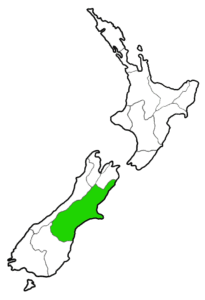
Canterbury is New Zealand's largest region by area, stretching from the Southern Alps across the wide Canterbury Plains to Christchurch and the rugged Kaikōura coast.
Long before Christchurch existed, the Ngāi Tahu settlement of Kaiapoi was known across the country as a centre of wealth and trade, prized above all for its abundance of pounamu carried over the Southern Alps from the West Coast.
That history runs deep. Ngāi Tahu war parties and traders once crossed passes such as the Browning and Whitcombe to reach the Taramakau and Arahura rivers on the West Coast, bringing pounamu back across the Alps to Canterbury settlements. Today that same stone reaches Christchurch, Kaikōura, and the wider region through carvers and retailers who carry the tradition forward.
On this page you'll find a selection of pounamu carvers, galleries and shops across Canterbury, where visitors can discover handcrafted greenstone taonga and learn more about the cultural significance of this treasured New Zealand stone. To learn how to spot the real thing, see our authenticity guide.
 Carver
George Campbell (Tuhuru Taonga)
Christchurch, Canterbury
Christchurch-based pounamu artist crafting meaningful taonga rooted in whakapapa, combining contemporary design with traditional Māori carving techniques.
View Listing Gallery
Moko Pounamu
Christchurch, Canterbury
Christchurch gallery with over 30 years celebrating authentic pounamu jewellery, carrying handcrafted pieces from genuine West Coast greenstone sourced in partnership with local iwi and carvers.
View Listing Shop
ShopHapa Christchurch
BNZ Centre, Christchurch
Stylish Christchurch gift and jewellery boutique stocking Ngāi Tahu-certified pounamu alongside contemporary New Zealand made gifts, known for its clean modern presentation of greenstone jewellery.
View Listing Shop
ShopJade Kiwi
West End, Kaikōura
Lively gift and pounamu destination on West End in Kaikōura, stocking an extensive range of authentic New Zealand pounamu jewellery and carvings from artists around the country.
View Listing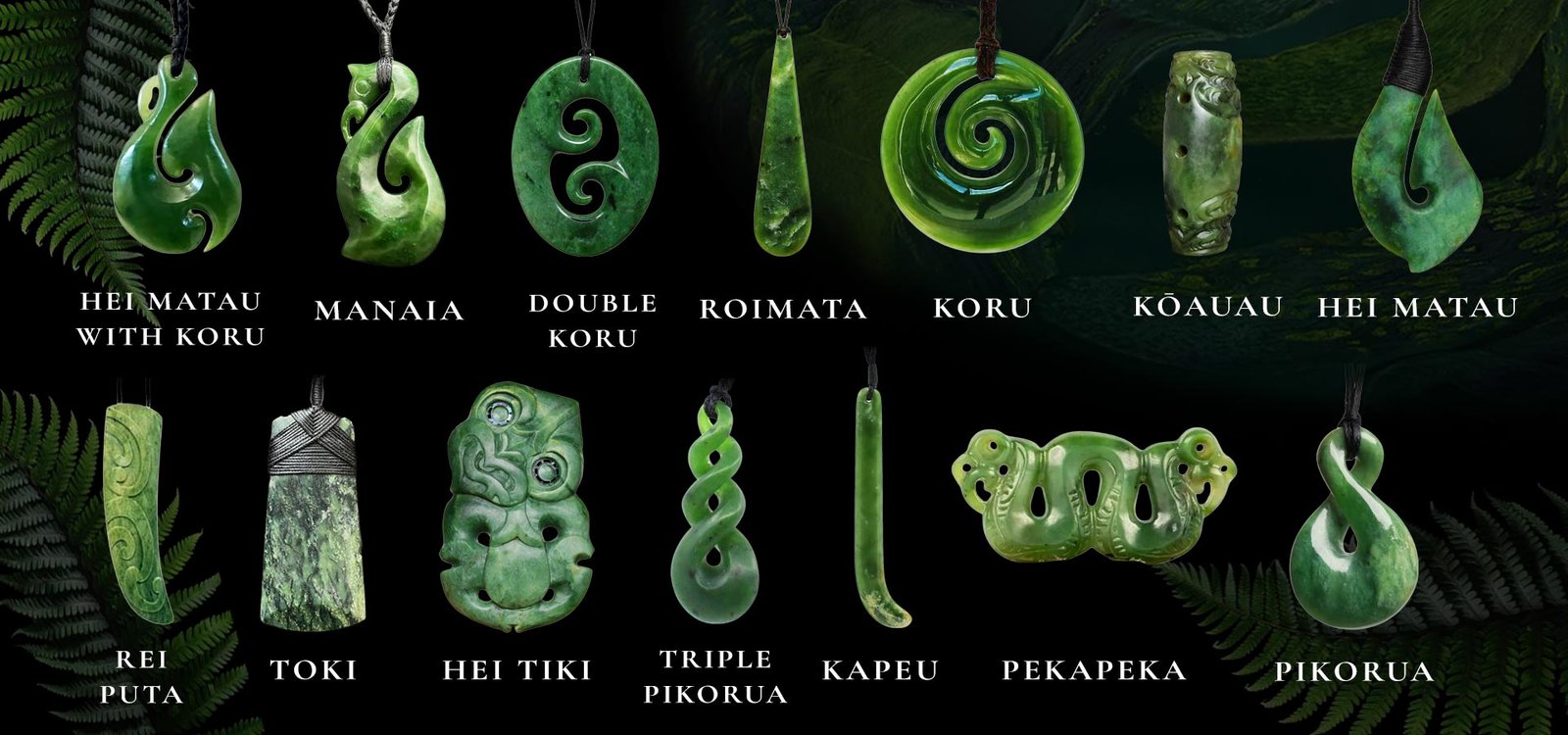
Discover What Each Design Means
From the koru to the hei tiki, every traditional pounamu design carries its own story and symbolism.