
Notable Finds & Historic Pieces

The Māori Hei-Tiki Found Buried in an English Garden

The garden's owner and appraiser Ronnie Archer-Morgan examining the Māori hei-tiki on Antiques Roadshow

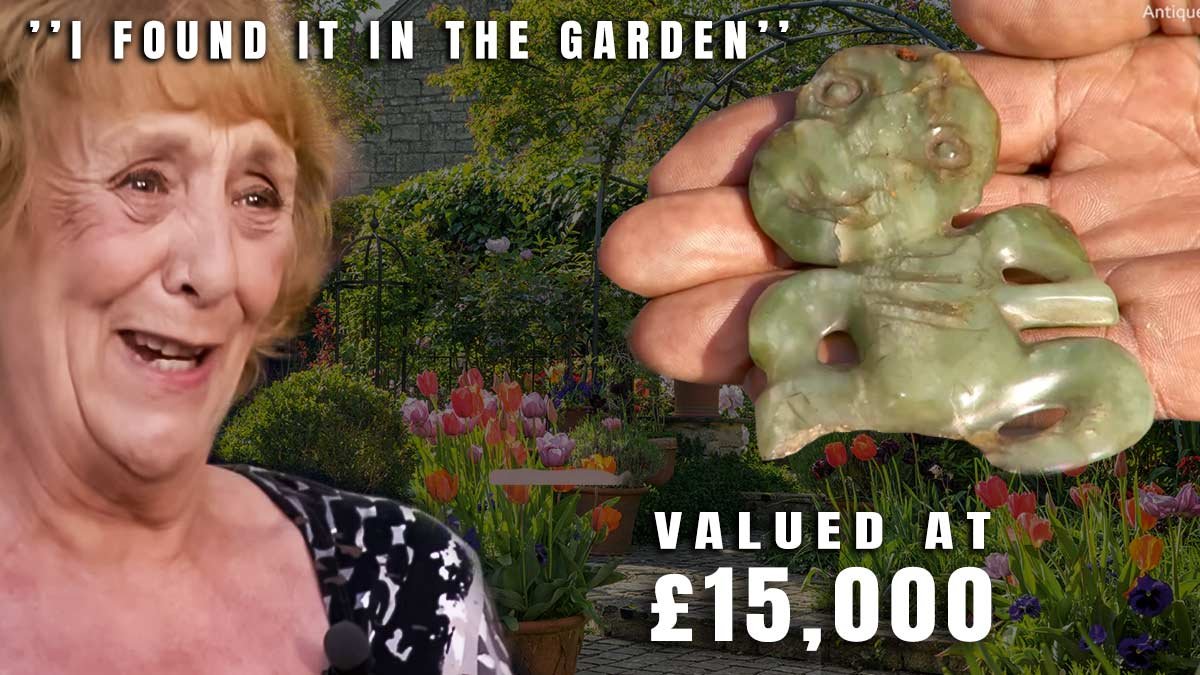
For decades, a family in Derbyshire kept a small jade pendant, dug up years earlier while weeding their garden, believing it was simply an unusual "green stone." When they brought it to the BBC's Antiques Roadshow, appraiser Ronnie Archer-Morgan identified it as a genuine Māori hei-tiki, and valued it at £15,000.

The segment was filmed at Bolsover Castle in 2015, as part of the show's long-running format of appraising items members of the public bring in, often with no idea what they're actually holding.

Found While Weeding, Kept for Decades

The pendant had been dug up in the garden of a 17th-century house and kept ever since, treated as a curious keepsake rather than anything of real significance. Nobody in the family appears to have known what it actually was until it was brought to the Roadshow.

That gap, between a genuine taonga and an unidentified "green stone" sitting in a drawer, is part of what made the moment land so well on camera. Ronnie Archer-Morgan, who has appraised tribal art and world cultures pieces on Antiques Roadshow since 2011, recognised it immediately as a Māori hei-tiki, and estimated it could be over 300 years old.

Video: BBC Antiques Roadshow, via YouTube

Meaning & Culture

What Does a Hei Tiki Mean?

Go deeper on the history and symbolism behind one of pounamu's most recognisable forms.

Read the Guide

How Did a Māori Taonga End Up in an English Garden?

The honest answer is that nobody knows, in this specific case. That mystery is exactly what makes the story compelling rather than a loose end to explain away.

What's true more broadly is that pounamu taonga left Aotearoa by many routes during the 18th and 19th centuries, through trade with early European visitors, as gifts, and, less happily, through collecting practices tied to the colonial period that weren't always consensual. Museums and private collections across Britain and Europe hold Māori taonga acquired this way, and pieces still occasionally surface in unexpected places, gardens included, as this one did.

None of that explains exactly how this particular hei-tiki ended up buried in a Derbyshire garden. It's a reminder that a lot of taonga have histories that are genuinely lost, not just undocumented.

Authenticity

How to Tell If Pounamu Is Real

What to look for, and the questions worth asking, before you trust a seller's word.

Read the Guide
Directory

Looking for Authentic Pounamu?

Browse trusted carvers, galleries, and shops from across New Zealand in our directory.

Browse All Listings
Common Questions

FAQs About This Hei-Tiki Discovery

Appraiser Ronnie Archer-Morgan valued the piece at £15,000 at the time of filming in 2015. Values can change over time, so this figure reflects that specific appraisal, not a current market price.

Archer-Morgan estimated it could be over 300 years old, based on its style and material, though an exact date wasn't established.

No, not for this specific piece. Pounamu taonga left Aotearoa through various routes during the 18th and 19th centuries, including trade, gifting, and colonial-era collecting, but this item's own path from New Zealand to Derbyshire isn't documented.

Ronnie Archer-Morgan is a British antiques collector and television presenter who has appraised tribal art and world cultures items on the BBC's Antiques Roadshow since 2011.