
The Hohonu River Pounamu Boulder: How a Greenstone Find Helped Start the West Coast Gold Rush
In early 1864, Māori prospectors working the Hohonu River on the West Coast lifted a large pounamu boulder from the creek bed and found gold beneath it. The find is widely linked to the start of the West Coast gold rush, and the boulder itself later became the subject of one of New Zealand's most unusual early court cases.
It is often described as the first recorded pounamu discovery. That is not strictly accurate, as Māori had worked West Coast pounamu for centuries and Europeans had written about it by 1846, but it is one of the best-documented finds of the colonial era. This guide pieces the story together from museum, archive and legal sources. Where those sources disagree, including on the month and on exactly who was in the party, we say so rather than choose one version.
For the wider story of pounamu, start with the History of Pounamu. For other notable finds, see Famous Pounamu Discoveries.
The Setting: Pounamu Country Before the Rush
In the early 1860s, the part of the West Coast south of the Grey River belonged to Canterbury Province and was known as West Canterbury. Te Ara estimates that probably fewer than 300 people, Māori and Pākehā combined, were living on the whole coast at the end of 1863. For Poutini Ngāi Tahu this was Te Tai Poutini, the coast of Poutini, the guardian of its pounamu in Ngāi Tahu tradition, and its rivers carried pounamu down from the Southern Alps.
Gold was a newer interest. In 1859 the surveyor John Rochfort found gold in several places on the coast, including the Taramakau valley, but no major finds followed. After the Otago goldfield opened in 1861, Canterbury's provincial government offered a £1,000 reward for payable gold in the province, which gave prospectors a strong reason to keep searching.
The Find: Gold Beneath a Pounamu Boulder
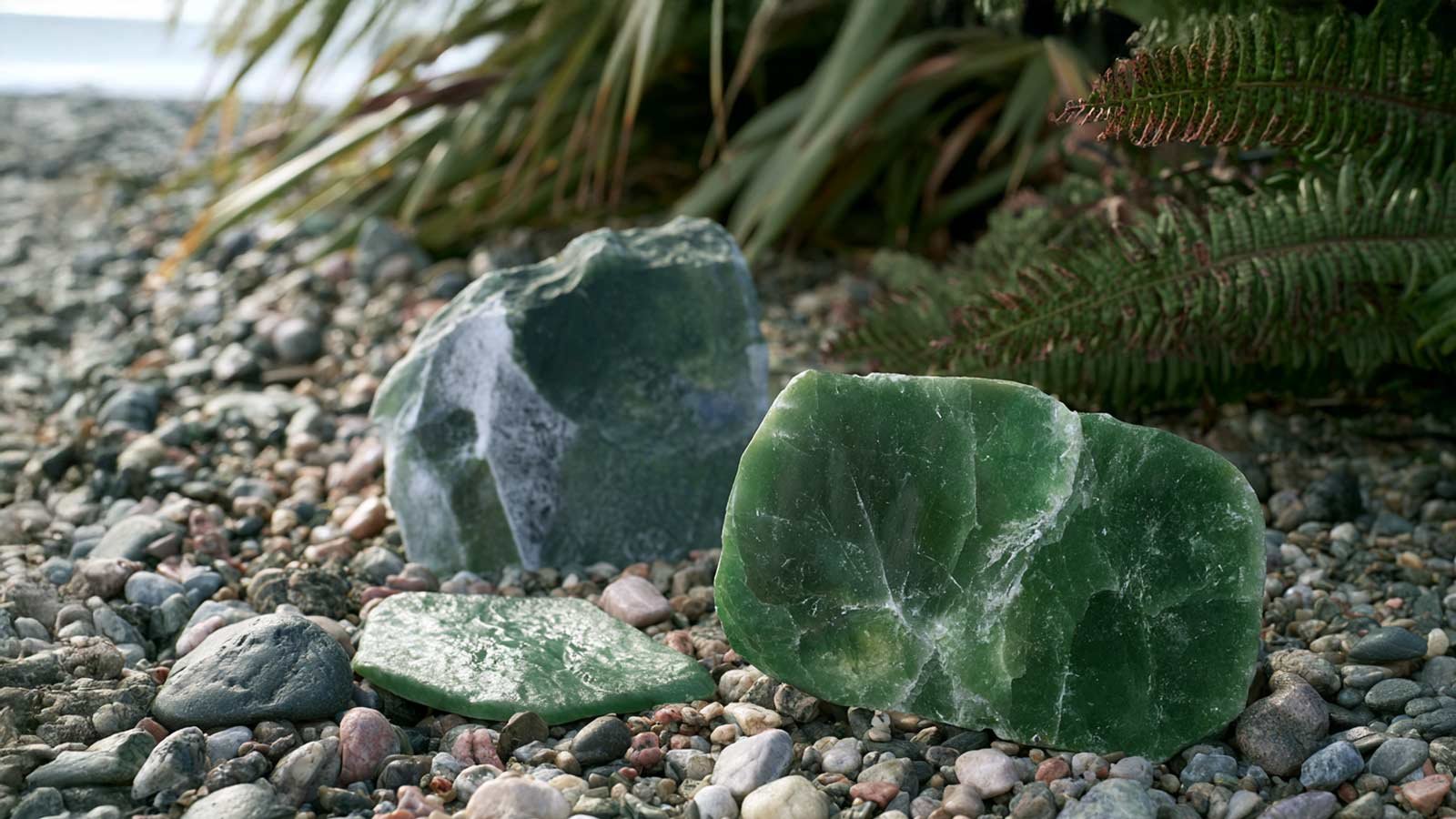
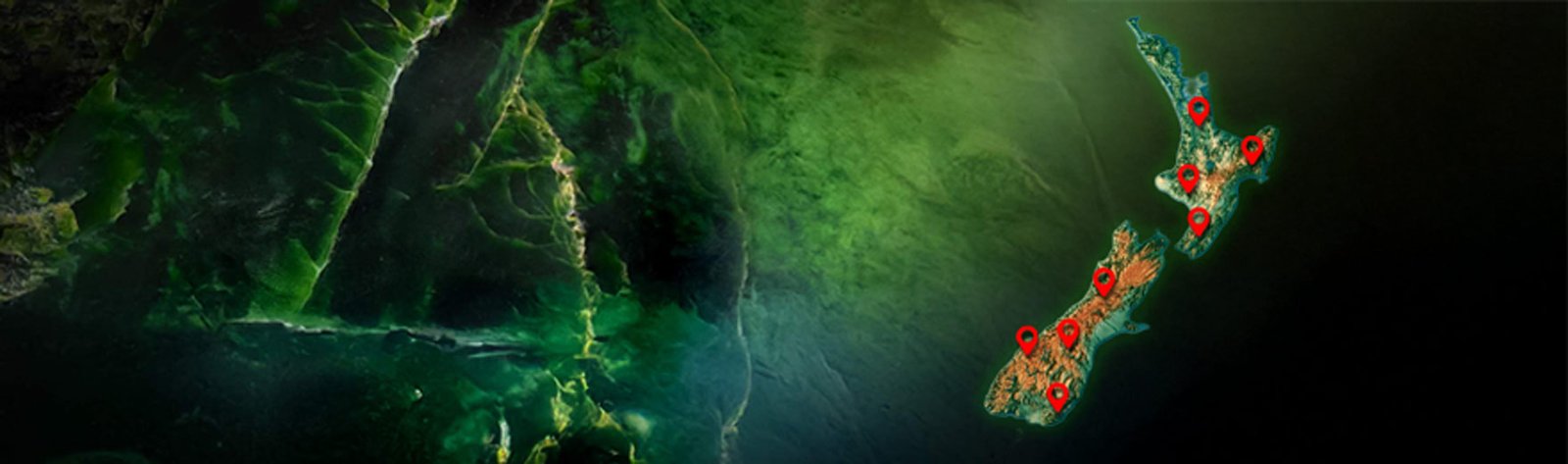
The Hohonu River rises in the Hohonu Range south-east of Greymouth and flows into the Taramakau River near Kumara. It is now officially the Greenstone River / Hokonui, and older sources also call it the Big Hohonu. In early 1864, Māori prospectors, most often named as Haimona Tuakau and Samuel Iwikau Te Aika, found a large pounamu boulder embedded in the creek bed. When it was moved, gold lay underneath.
A later account attributed to William Martin, a prospector who knew Tuakau, describes the men levering the boulder out of its bed and finding lumps of gold in the gravel where it had rested. Several modern accounts say the pair were searching for pounamu rather than gold when they made the discovery. The creek became known as Greenstone Creek.
Who Found It, and When? What the Sources Say
Accounts agree on the place and on the boulder, but not on the month or the names. Rather than choose one version, here is how the main sources differ.
| Source | Who is named | Date given |
|---|---|---|
| Canterbury Museum | Haimona Tuakau and Samuel Te Aika | January 1864 |
| NZ Geographic | Ihaia Tainui and Haimona Taukau | January 1864 |
| RNZ, The Aotearoa History Show | Iwikau Te Aika, Ihaia Tainui, Irihāpeti Pātahi and Haimona Tuakau | February 1864 |
| Department of Conservation | Haimona ("Simon") Tuakau and ("Samuel") Iwikau Te Aika | 1864 |
| Smith and McLay, Victoria University of Wellington Law Review (2025) | Tuakau, his wife Patahi and Iwikau, based on evidence in the 1866 court case | Sometime in 1864 |
Spellings of Haimona Tuakau's name also vary, including Tuangau and Taukau. The law review's authors use Tuakau, which they say matches the Kāi Tahu dialect he most often used, while 1866 newspaper and court reports write Tuangau.
From One Find to a Gold Rush
The discovery did not start a rush overnight. Canterbury Museum says some of the first gold sent to Canterbury from the coast travelled overland in 1864, around six months before the rush began. Te Ara dates the discovery of payable gold at Greenstone Creek that set off a major rush to mid-1864, and says further finds near Hokitika had lifted the coast's population above 1,000 by late that year.
Credit for starting the rush is shared in the surviving accounts. By early July 1864, the museum says, Werita Tainui and his whānau had gathered about 50 ounces of gold and the prospector Albert Hunt at least 15 ounces. Hunt is often named alongside Tuakau, though accounts of his role differ. Other prospectors, among them Andrew Hughes, were working the Hohonu at the same time, and the law review notes that Pākehā finds in the area were made around the same time as Tuakau's, while some accounts credit Tuakau and Iwikau with starting the rush south of the Buller. The fairest summary is that the boulder is the best-known single moment in a short, crowded period of discovery.
News spread fast. NZ Geographic credits the Nelson storekeeper Reuben Waite's promotion with turning the Hohonu into the coast's first real rush. Canterbury proclaimed West Canterbury a goldfield in March 1865, and by Christmas that year all 72 of Hokitika's hotels were reportedly packed with miners. The figures below show how fast the coast changed.
Figures from Te Ara: The Encyclopedia of New Zealand. Early population figures are estimates.
Minerals West Coast, the region's mining industry body, notes that gold and pounamu were laid down by similar tectonic processes and now sit together in gravels at the foot of the Southern Alps. It adds that pounamu is still sometimes recovered as a by-product of alluvial gold mining.
The 1866 Court Case Over the Boulder
The boulder did not stay quietly in the creek. It became the centre of a court case that is still being discussed today.
- Case
- Reynolds v Tuangau (1866)
- Parties
- James Reynolds, a Pākehā prospector, and Haimona Tuakau
- Courts
- Supreme Court, Hokitika (August 1866); Court of Appeal, Wellington (judgment 25 October 1866)
- Outcome
- The Court of Appeal unanimously found that Reynolds had failed to make out his case
- Value of the stone
- Estimated at £1,500 to £2,500 at the time
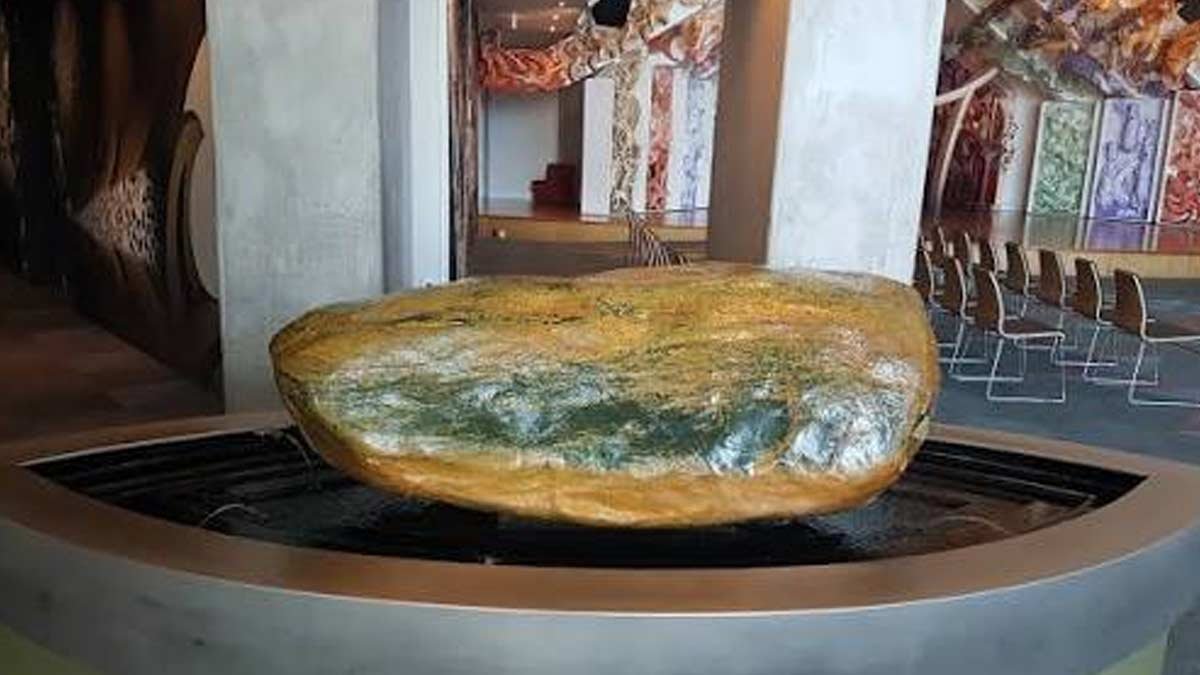
According to evidence given at the trial, Tuakau, his wife Patahi and Samuel Iwikau worked the stone where it lay over a period of months, leaving it in the care of others. By December 1865, Reynolds had begun working it too, despite being told it belonged to Māori in the area. William Revell, the warden and resident magistrate at Greymouth, warned him not to touch it. In March 1866, Reynolds broke the pounamu into pieces and sent it away in bags.
Tuakau laid a criminal complaint at Greymouth. Reynolds was arrested, but that case was dismissed because the summons was defective. The pounamu was seized under a magistrate's warrant, and Reynolds sued in the Supreme Court to get it back, a claim known as detinue.
At the Hokitika trial in August 1866, the central question was whether Tuakau had abandoned the stone, because under English finders' law the original finder keeps title unless they gave it up. His counsel argued that under Māori custom Tuakau had placed a tapu on the stone, which the newspapers of the day spelled "tapoo", and the judge allowed evidence of that custom. Two jury trials left the case undecided. At the second, the jury gave a special verdict on some facts, including that Tuakau had done nothing to show he meant to abandon the stone, and the final decision went to the Court of Appeal.
On 25 October 1866 the Court of Appeal in Wellington unanimously held that Reynolds had failed to make out his case. The newspaper report of the judgment rests on the jury's finding that the stone had not been abandoned, and the Lost Cases Project at Victoria University of Wellington records the same outcome. Contemporary estimates put the stone's value at £1,500 to £2,500, which the law review converts to roughly NZ$210,000 to $350,000 at 2024 prices.
How much the ruling depended on Māori custom is still debated. The court's written judgment appears to be lost, leaving only a short newspaper report, so it is impossible to say whether the tapu was decisive or whether the evidence simply defeated the abandonment argument. The case has nonetheless regained attention: the authors of the 2025 law review note that the Supreme Court cited Reynolds v Tuangau in its 2024 Smith v Fonterra decision as an early example of New Zealand courts recognising Māori interests in a civil claim.
What became of the stone is unclear. The authors point out that neither Tuakau's nor Patahi's will mentions it, and suggest it was sold. Haimona Tuakau himself remains a somewhat elusive figure. Accounts of his early life conflict, but he was prominent enough in the 1860s to write to Governor Grey, and an obituary notice records him as a lay reader and church warden at the Māori church at Arahura. He died in 1890.
Was This the First Recorded Pounamu Discovery?
Not in any strict sense. Māori had known and worked West Coast pounamu for centuries before 1864, and Europeans were already writing about it. In 1846, Charles Heaphy and Thomas Brunner became the first Europeans to visit the Poutini Ngāi Tahu settlements at Māwhera, Taramakau and Arahura. Heaphy published an account of the expedition in the Nelson Examiner that year, and later writers say it described how pounamu was being worked there.
So where does the "first recorded" label come from? It appears on some commercial websites, usually in a single sentence about two Māori men finding a greenstone boulder in 1864. What the evidence supports is narrower, and still remarkable: the Hohonu boulder is one of the best-documented pounamu discoveries of the colonial period, with a trail running through museum collections, newspaper reports, court records and the recollections of the prospectors who knew the men involved.
That is also why the story sits at the meeting point of pounamu and gold. For other well-known finds, from the Mauri boulder at Te Papa to the Te Māori boulder, see Famous Pounamu Discoveries.
What the Gold Rush Meant for Pounamu Country
The rush arrived four years after Poutini Ngāi Tahu signed the Arahura Deed at Māwhera on 21 May 1860, selling the West Coast to the Crown for £300 and a set of reserves. In 1991 the Waitangi Tribunal found that the Crown had not acted fairly in those negotiations and had failed to preserve Ngāi Tahu ownership of pounamu.
The rush then brought thousands of newcomers into that same country. The Reynolds case shows customary claims to pounamu being argued in a colonial court more than a century before the Ngāi Tahu (Pounamu Vesting) Act 1997 vested ownership of pounamu occurring in its natural state in Ngāi Tahu. The legal story is told in full in the History of Pounamu, and the rivers themselves in Where Pounamu Is Found.
The Hohonu River Today
The river is now officially the Greenstone River / Hokonui, a dual name recorded in the New Zealand Gazetteer. It still joins the Taramakau River near Kumara, between Greymouth and Hokitika, and local histories record a township called Greenstone growing up on its banks after the 1864 discovery.
Pounamu in its natural state within Ngāi Tahu's tribal area belongs to Ngāi Tahu, and rules apply to collecting it. How to Find Pounamu in Nature sets out the rules and the guided options, and Which Beaches Can You Find Pounamu? covers the coast's beaches.
Timeline at a Glance
- 1846Charles Heaphy and Thomas Brunner become the first Europeans to visit the Poutini Ngāi Tahu settlements at Māwhera, Taramakau and Arahura.
- 21 May 1860Poutini Ngāi Tahu sign the Arahura Deed at Māwhera, selling the West Coast to the Crown for £300 and reserves.
- Early 1864Haimona Tuakau and Samuel Iwikau Te Aika find gold beneath a pounamu boulder in the Hohonu River (January or February, depending on the source).
- Mid-1864Payable gold at Greenstone Creek sets off a major rush. Albert Hunt and others also find gold.
- March 1865West Canterbury is proclaimed a goldfield.
- Dec 1865 to Mar 1866James Reynolds begins working the boulder, is told it belongs to Māori, and breaks it into pieces.
- Aug to Oct 1866Reynolds v Tuangau is heard in Hokitika, then goes to the Court of Appeal, which rules against Reynolds on 25 October.
- Late 1867The West Coast population peaks at about 28,700.
- 1890Haimona Tuakau dies.
- 1997The Ngāi Tahu (Pounamu Vesting) Act vests ownership of natural pounamu in Ngāi Tahu.
Frequently Asked Questions About the Hohonu River Pounamu Boulder
In early 1864, Māori prospectors found a large pounamu boulder embedded in the bed of the Hohonu River on the West Coast and discovered gold beneath it. The creek became known as Greenstone Creek, and the find is widely linked to the start of the West Coast gold rush. It later led to the 1866 court case Reynolds v Tuangau.
Most accounts name Haimona Tuakau, known to many Pākehā as Simon, together with Samuel Iwikau Te Aika. Some sources name Ihaia Tainui instead or as well, and one lists a party of four. Spellings of the names also vary, so this guide gives each source's version.
In early 1864. Canterbury Museum and NZ Geographic give January 1864, RNZ gives February 1864, and the Department of Conservation and a 2025 law review say only 1864. The gold rush itself is usually dated from mid-1864, with its peak in 1866 and 1867.
No. Māori knew and worked West Coast pounamu for centuries, and Charles Heaphy and Thomas Brunner visited the Poutini Ngāi Tahu settlements at Māwhera, Taramakau and Arahura in 1846. The Hohonu find is better described as one of the best-documented pounamu discoveries of the colonial era. For the wider story, see the History of Pounamu, and for other well-known finds see Famous Pounamu Discoveries.
The boulder covered gold, and news of the find helped draw prospectors to Greenstone Creek in 1864. Further discoveries followed near Hokitika and along the coast, and the West Coast population grew from under 300 at the end of 1863 to about 28,700 by late 1867, according to Te Ara. Other prospectors, including Albert Hunt, also made early finds, so the Hohonu is best seen as one of the key moments in the start of the rush.
A Pākehā prospector, James Reynolds, broke it into pieces in March 1866, which led to the court case Reynolds v Tuangau. The pounamu was seized under a magistrate's warrant, and on 25 October 1866 the Court of Appeal unanimously found that Reynolds had failed to make out his case. It is not clear what became of the stone afterwards, though a 2025 law review suggests it was sold.
The Hohonu is now officially the Greenstone River / Hokonui, a tributary of the Taramakau River near Kumara on the West Coast, between Greymouth and Hokitika. It was historically also called the Big Hohonu River.
Pounamu in its natural state within Ngāi Tahu's tribal area belongs to Ngāi Tahu, and rules apply to collecting it. Read How to Find Pounamu in Nature for the rules and guided options, and Where Pounamu Is Found for where genuine pounamu occurs today.