
The Legend of Ngahue's Boulders
Long before any written record, Māori tradition already had a story for how pounamu came to Aotearoa. According to this account, Kupe's voyaging companion Ngahue carried several pounamu boulders back to Hawaiki, part of the wider narrative explaining the stone's origins and its place in Māori identity.
This isn't a "discovery" in the modern sense, it's a foundational story, passed down long before anyone was writing dates in a ledger. It's worth including here precisely because it predates every other entry on this list by centuries.
Hohonu River, 1864
One of the best-documented pounamu discoveries of the colonial era comes from the Hohonu River (now officially the Greenstone River / Hokonui), a tributary of the Taramakau on the West Coast. In early 1864, Haimona Tuakau (known to many Pākehā as Simon) and Samuel Iwikau Te Aika are generally recorded as finding gold beneath a large pounamu boulder in the creek bed, although sources differ on the month and on who else was in the party. The find is widely linked to the start of the West Coast gold rush. We've covered it in full, including the 1866 court case over the boulder, in The Hohonu River Pounamu Boulder.
We've covered this discovery in full elsewhere, including its connection to the gold rush that followed. See he Hohonu River Pounamu Boulder for the complete story.
The Mauri Boulder at Te Papa
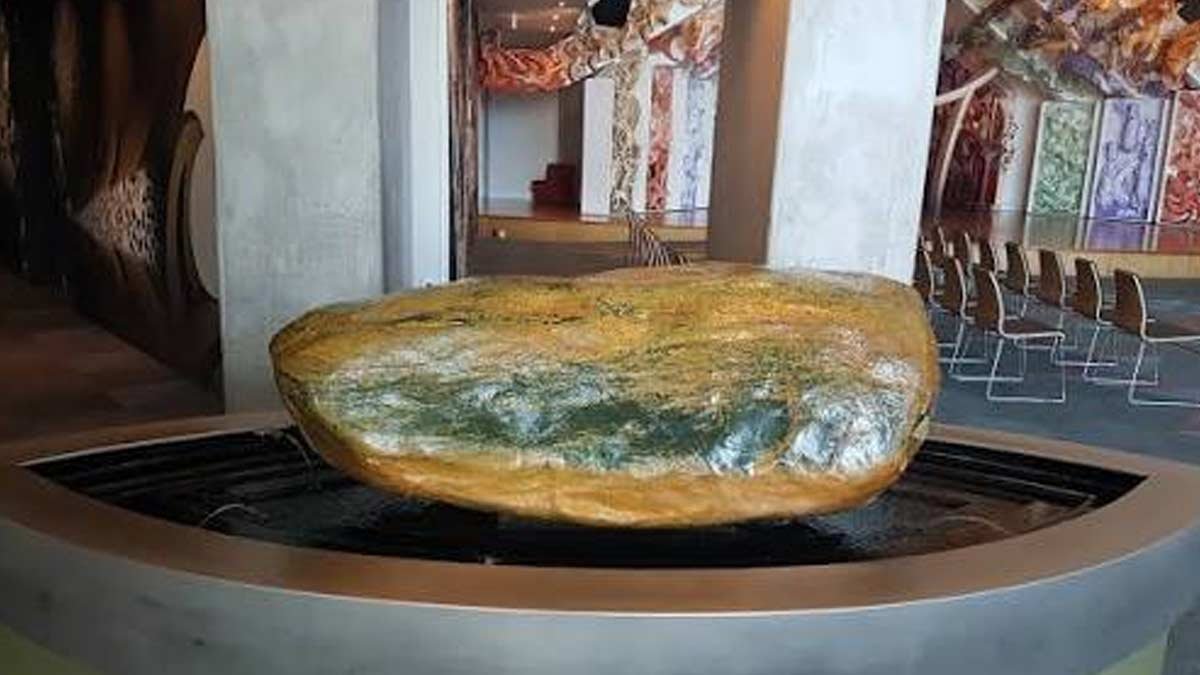
In 1986, Ngāi Tahu gifted a pounamu boulder, named Mauri, to what became the National Museum. Today it sits at Rongomaraeroa, the marae inside Te Papa Tongarewa in Wellington, where it serves as the mauri stone, representing the vitality and life force of the space around it.
Unlike most museum pieces kept behind glass, visitors are actually encouraged to touch this boulder as part of a self-guided visit, both to connect with it directly and to help remove the surface oxide, much as a river would in its natural environment.
The Te Māori Boulder's Journey Home
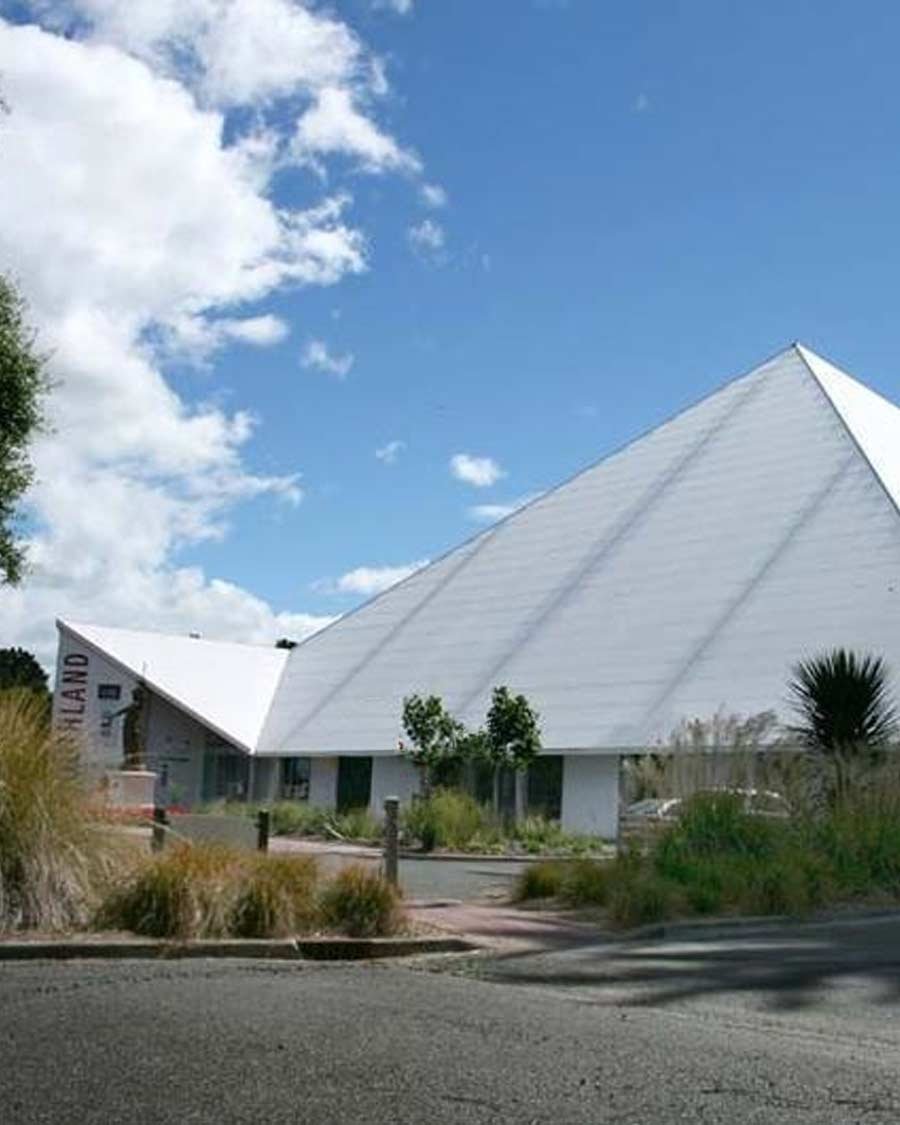
A second significant boulder served a different role: it was the mauri stone for Te Māori, a landmark exhibition of Māori art that toured internationally, bringing taonga to audiences overseas who had rarely, if ever, seen them displayed with this level of recognition.
When the exhibition's tour ended, the stone wasn't archived or sold. It was returned to Ngāi Tahu and placed at Southland Museum, where it remains today, a boulder with a travel history most museum pieces never get.
A Six-Tonne Boulder, Found in Living Memory
Not every notable find is centuries old. Francois Tumahai, chair of Te Rūnanga o Ngāti Waewae, has spoken publicly about a pounamu boulder found during authorised mining that weighed six tonnes, a single piece expected to supply carvers for five to six years. Ngāi Tahu, as kaitiaki of pounamu, controls how much stone is extracted, taking it only as required rather than mining continuously.
A find of that scale is rare even by historical standards, and it's a reminder that significant pounamu is still being responsibly sourced from the ground today, not just recovered from museum archives.
A Mystery Slab Found in the Bush
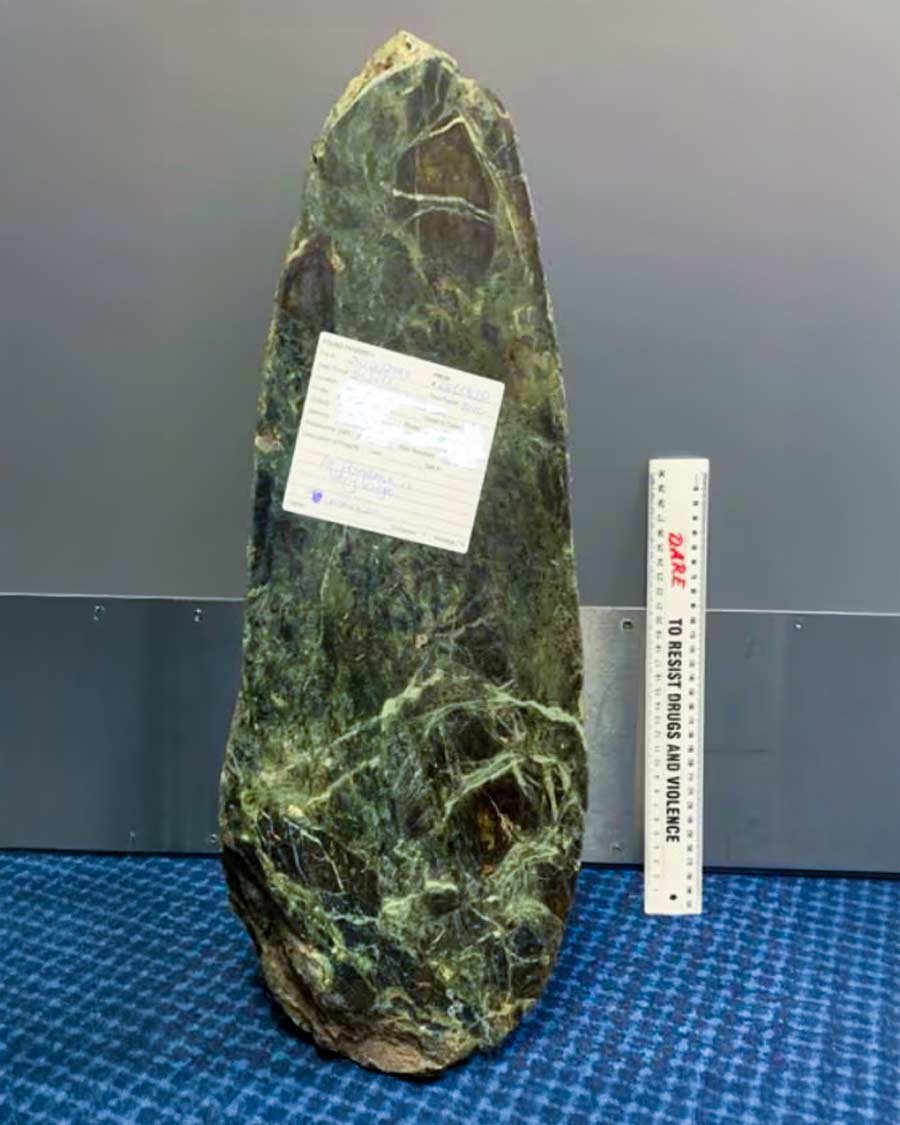
Not every story ends with a clear answer. A large slab of pounamu, roughly 60cm by 20cm, was found in bush near Te Kaha in the Bay of Plenty and handed in to police, who appealed publicly for its owner to come forward. The piece showed clear signs of having been shaped by human hands, cut down the middle, with something painted on one side that investigators asked the public to help identify.
It's a genuine reminder that pounamu carries real, sometimes unresolved history, pieces can go missing, get buried, or simply lose their story along the way, only to resurface with questions attached rather than answers.