
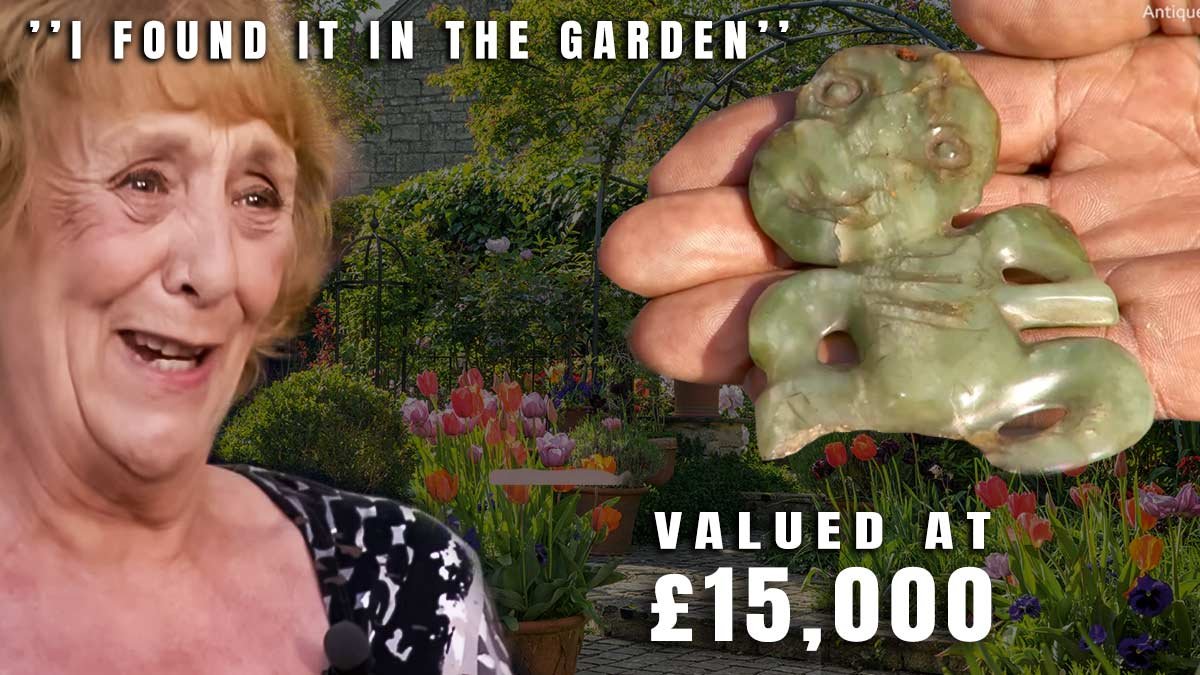
Found While Weeding, Kept for Decades
The pendant had been dug up in the garden of a 17th-century house and kept ever since, treated as a curious keepsake rather than anything of real significance. Nobody in the family appears to have known what it actually was until it was brought to the Roadshow.
That gap, between a genuine taonga and an unidentified "green stone" sitting in a drawer, is part of what made the moment land so well on camera. Ronnie Archer-Morgan, who has appraised tribal art and world cultures pieces on Antiques Roadshow since 2011, recognised it immediately as a Māori hei-tiki, and estimated it could be over 300 years old.
Video: BBC Antiques Roadshow, via YouTube
How Did a Māori Taonga End Up in an English Garden?
The honest answer is that nobody knows, in this specific case. That mystery is exactly what makes the story compelling rather than a loose end to explain away.
What's true more broadly is that pounamu taonga left Aotearoa by many routes during the 18th and 19th centuries, through trade with early European visitors, as gifts, and, less happily, through collecting practices tied to the colonial period that weren't always consensual. Museums and private collections across Britain and Europe hold Māori taonga acquired this way, and pieces still occasionally surface in unexpected places, gardens included, as this one did.
None of that explains exactly how this particular hei-tiki ended up buried in a Derbyshire garden. It's a reminder that a lot of taonga have histories that are genuinely lost, not just undocumented.