
Pounamu Greenstone Necklace: What to Know Before You Buy
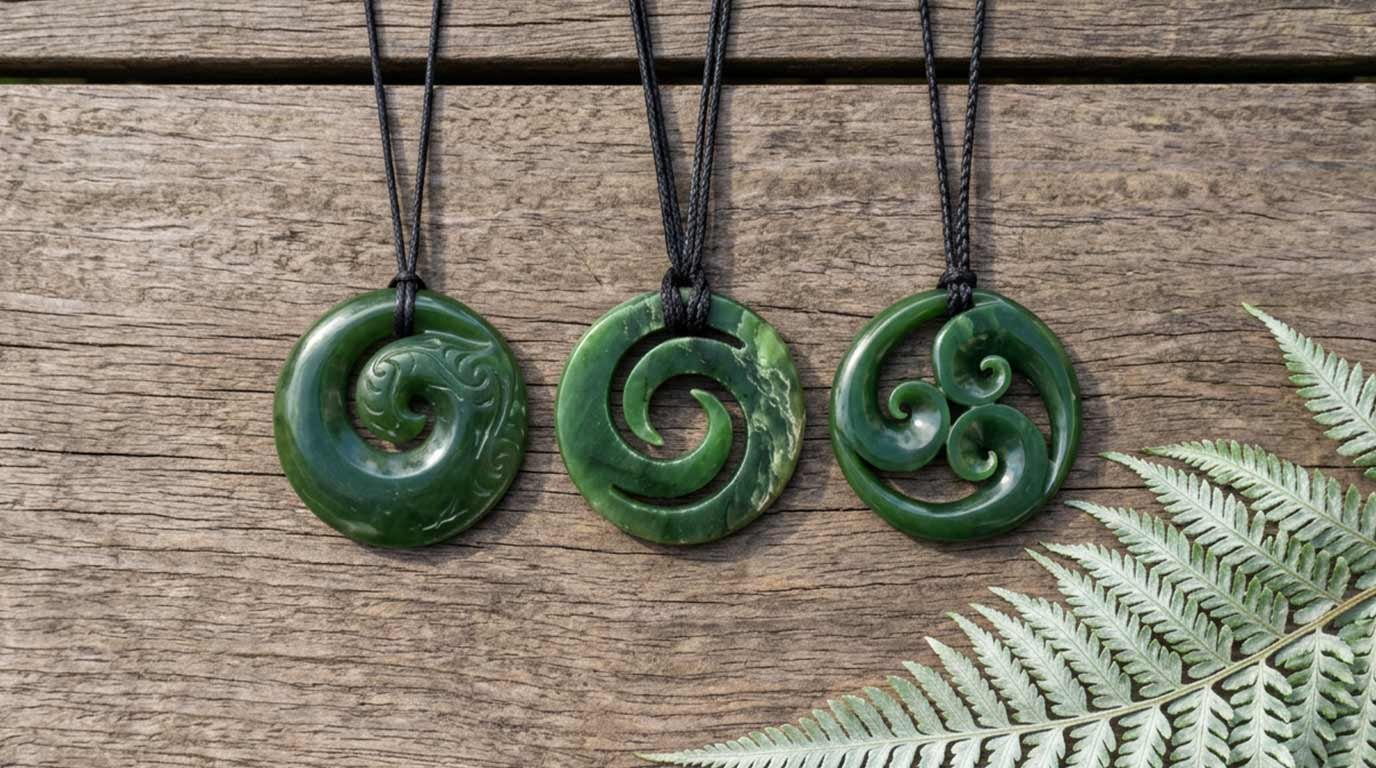
A pounamu greenstone necklace is one of the most recognisable pieces of New Zealand jewellery, but choosing one well means looking past the photo and thinking about the design, the cord, and how the piece will actually live on your body day to day.
Most buying advice focuses on design and meaning, which matters, but the practical side gets skipped just as often: what it's strung on, whether it can be worn in the shower or the sea, and whether a silver setting changes anything. This guide covers that practical side in full, alongside the cultural context that makes a pounamu necklace different from any other pendant you could buy.
If you're choosing a piece based on shape and symbolism rather than everyday wearability, our guide on how to choose a pounamu pendant covers that ground in more depth.
Start With the Design, Not Just the Look
Before deciding on cords, settings, or how you'll wear it, it helps to know what you're actually drawn to. Every traditional pounamu design, from the koru to the toki to the hei matau, carries its own symbolism, and choosing with that in mind tends to lead to a piece you'll want to wear for years rather than months.
Cords, Chains, and How It's Worn
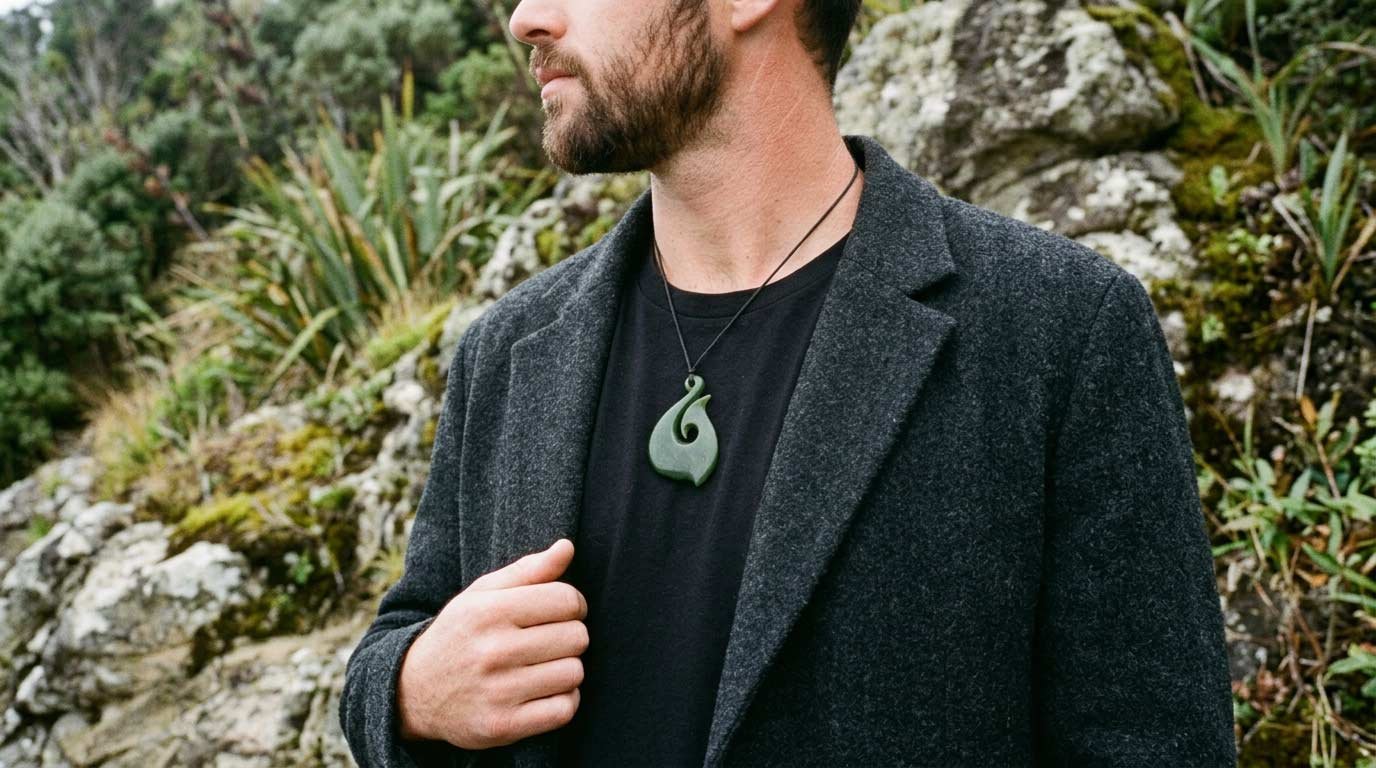
Traditionally, pounamu is worn on a cord rather than a metal chain, kept close to the body in a way that lets the stone settle against the skin. The cord itself matters more than most buyers expect, since it's almost always the first thing to wear out, long before the stone shows any sign of age.
Waxed cord and plaited flax tend to hold up best against daily wear and moisture. Leather looks and feels beautiful but is the most sensitive to water and salt over time, so it's worth knowing what your piece is strung on before you decide how freely you'll wear it. Most cords use a sliding knot rather than a clasp, which lets you adjust the length and means there's nothing to break or lose.
Pounamu Set in Silver or Other Metal
Contemporary jewellers sometimes set pounamu in a silver bail or frame rather than drilling and threading it on a cord. This is a modern stylistic choice rather than a traditional one. Views vary on whether a metal setting changes how a piece feels to wear, some people prefer the cleaner, more "jewellery store" look, while others feel a woven cord keeps the piece closer to its traditional roots. Neither approach affects the cultural significance of the stone itself.
From a practical standpoint, a well-made silver setting is generally more durable than a cord, since there's no fibre to fray. It's worth checking the quality of the clasp and bail specifically, since that's the part most likely to wear over years of daily use, not the stone.
Is Pounamu Durable Enough for Everyday Wear?
Pounamu is nephrite jade, a stone valued partly because it's tough rather than simply hard. Its fibrous internal structure makes it resistant to chipping and cracking under everyday conditions, which is part of why it was historically used for tools and weapons as well as ornaments.
That doesn't mean it's indestructible. A hard knock against concrete or a fall onto a tiled floor can still chip or crack a piece, regardless of how it's worn. For a full breakdown of what can go wrong and how to look after a piece for the long term, see our guides on what happens if pounamu breaks and how to care for pounamu.
Can You Swim or Shower With a Pounamu Necklace?
Yes, generally. Pounamu forms in rivers, so the stone itself has no issue with water, chlorine, or salt. The part to think about is what it's strung on rather than the stone.
Waxed cord and plaited flax handle showers and swimming well and are what most everyday pieces are strung on. Leather cord is the one to be more careful with, since repeated exposure to chlorine and saltwater can dry it out and shorten its life faster than other materials. If your piece is on leather and you swim often, it's worth either removing it beforehand or accepting you'll need to replace the cord sooner.
Buying With Confidence
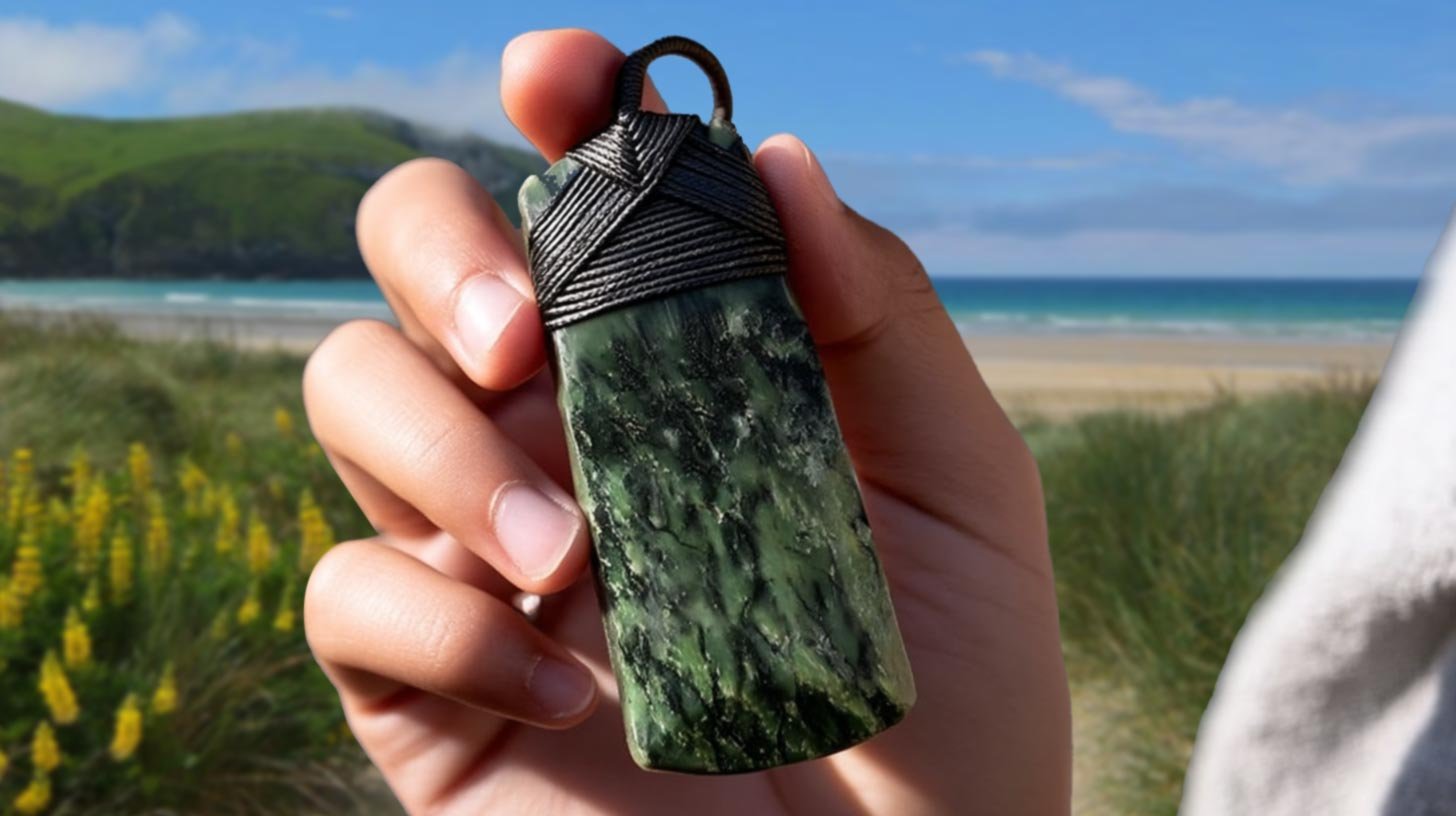
Genuine pounamu comes only from Te Wāhipounamu on the South Island. Before buying, it's worth asking where the stone was sourced and who carved it, a reputable seller will be able to answer both. For the full picture on spotting genuine pounamu and avoiding imported imitations, see our authenticity guide.
A Necklace Worth Choosing Well
The right pounamu necklace usually comes down to a combination of things: a design that means something to you, a cord that suits how you actually live, and a seller you trust on provenance. Whether you're buying it for yourself or as a gift, those same questions apply.
If you're choosing on someone else's behalf, our guides on gifting pounamu and buying pounamu for yourself cover the etiquette and tradition behind both.