
The Pikorua: Eternal Bonds, Two Paths & the Meaning of the Twist
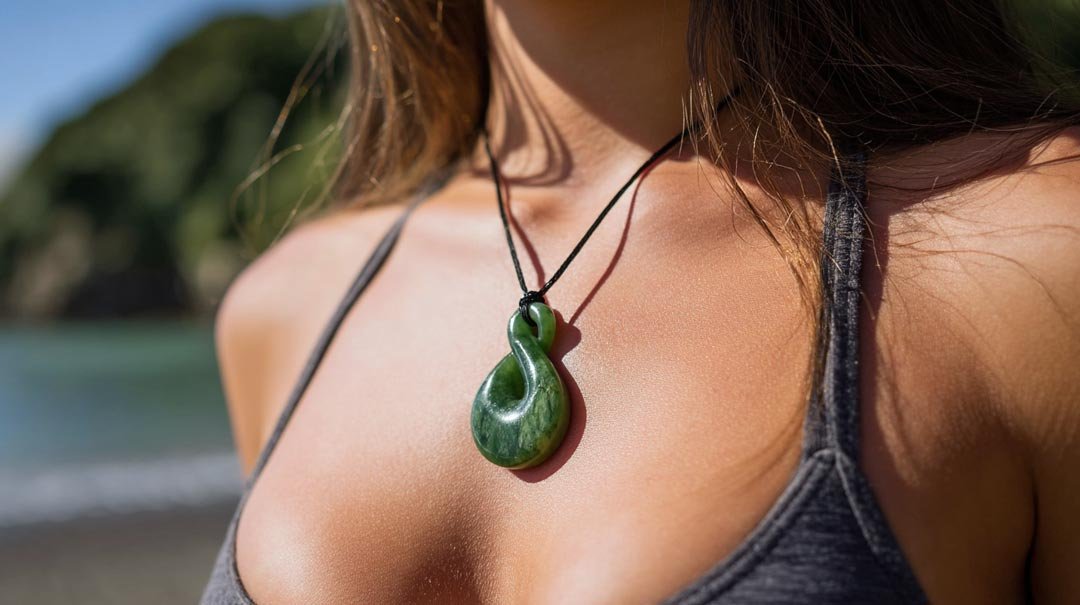
The pikorua, commonly known as the pounamu twist, is one of the most recognisable and beloved designs in New Zealand greenstone carving. Its interlocking spiral form speaks to the entwining of two lives, two peoples, or two paths through time.
In Māori tradition, the pikorua represents the eternal bond between two people: the idea that no matter how separate their journeys become, two lives once truly joined will always find their way back together. It is one of the most popular designs for gifts between close friends, partners, and family members, closely tied to the wider tradition of gifting pounamu.
Simple in silhouette yet profound in meaning, the pikorua has become a symbol of connection that resonates well beyond Aotearoa, which is part of why it's one of the most requested designs among the full range of pounamu designs and meanings.
The Form of the Twist: Two Paths Becoming One
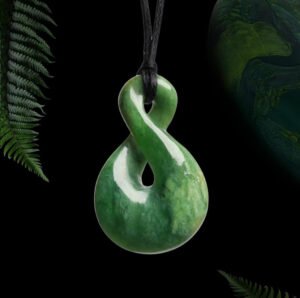
The pikorua's shape is deceptively simple: two spirals interlock and pass through each other, each separate yet forever joined. This visual metaphor captures its meaning directly. The two paths represent two individuals, two cultures, or two journeys through life. They twist around each other, sometimes pulling apart, sometimes converging, but always connected.
The carving of a pikorua is technically demanding. The stone must be worked from both sides to create the illusion of two separate loops passing through each other, so a well-carved pikorua in good pounamu says as much about the carver's skill as it does about the stone itself.
Meaning: Eternal Connection and Shared Journey
The primary meaning of the pikorua is a bond between two people that endures through all of life's changes. It doesn't imply that two people are always together, rather, it suggests that wherever their separate paths lead, the connection between them is permanent. This makes it a particularly meaningful gift between friends who are parting ways, between partners, or across generations within a family.
The pikorua also carries a broader meaning: the intertwining of different cultures or peoples. In the context of Aotearoa New Zealand, it has come to symbolise the joining of Māori and Pākehā (European New Zealanders), two peoples sharing one place, a theme that runs through much of the country's history of pounamu.
Pikorua and the Concept of Infinity
Some interpret the pikorua as a form of the infinity symbol, two loops with no beginning and no end. While this isn't the traditional Māori interpretation, it speaks to why the design resonates so widely. The sense of something continuous and unbroken is universal, and in pounamu it becomes a tangible object you can hold and wear.
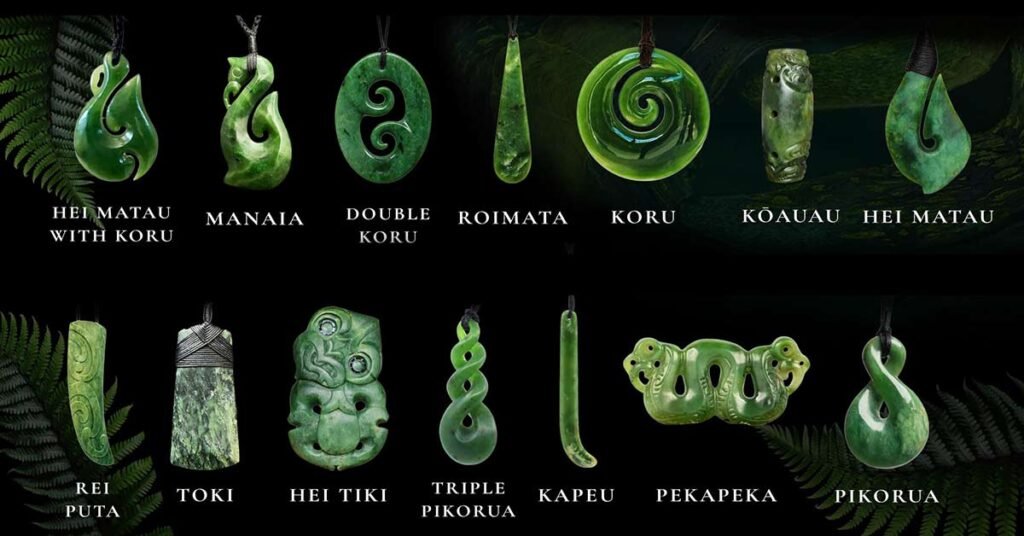
The triple pikorua extends this concept to three paths, representing the bond between three people or the connection across three generations: past, present, and future. Each additional twist multiplies the sense of interconnection and permanence.

The Pikorua as a Gift Between Two People
Because of its relational meaning, the pikorua is one of the most commonly gifted pounamu designs. It's given between partners as a symbol of commitment, between friends who are parting ways but remain bonded in spirit, and between parents and children as a reminder of a permanent connection.
When giving a pikorua, it's meaningful to acknowledge the specific bond it represents. A pikorua given without that intention is still beautiful, but one given with a clear sense of the relationship it honours becomes a genuine taonga (treasure).
Double and Triple Pikorua
The standard pikorua, as described above, is a twist of two loops interlocking through one continuous form, sometimes called the double pikorua to distinguish it from larger variations. The triple pikorua extends this to three loops twisting through the same continuous form, rather than three separate spirals joined together, creating a richer design that speaks to family, community, or the three dimensions of time. Both are carved in pounamu across a range of sizes and stone types.
Choosing a Pikorua in Pounamu
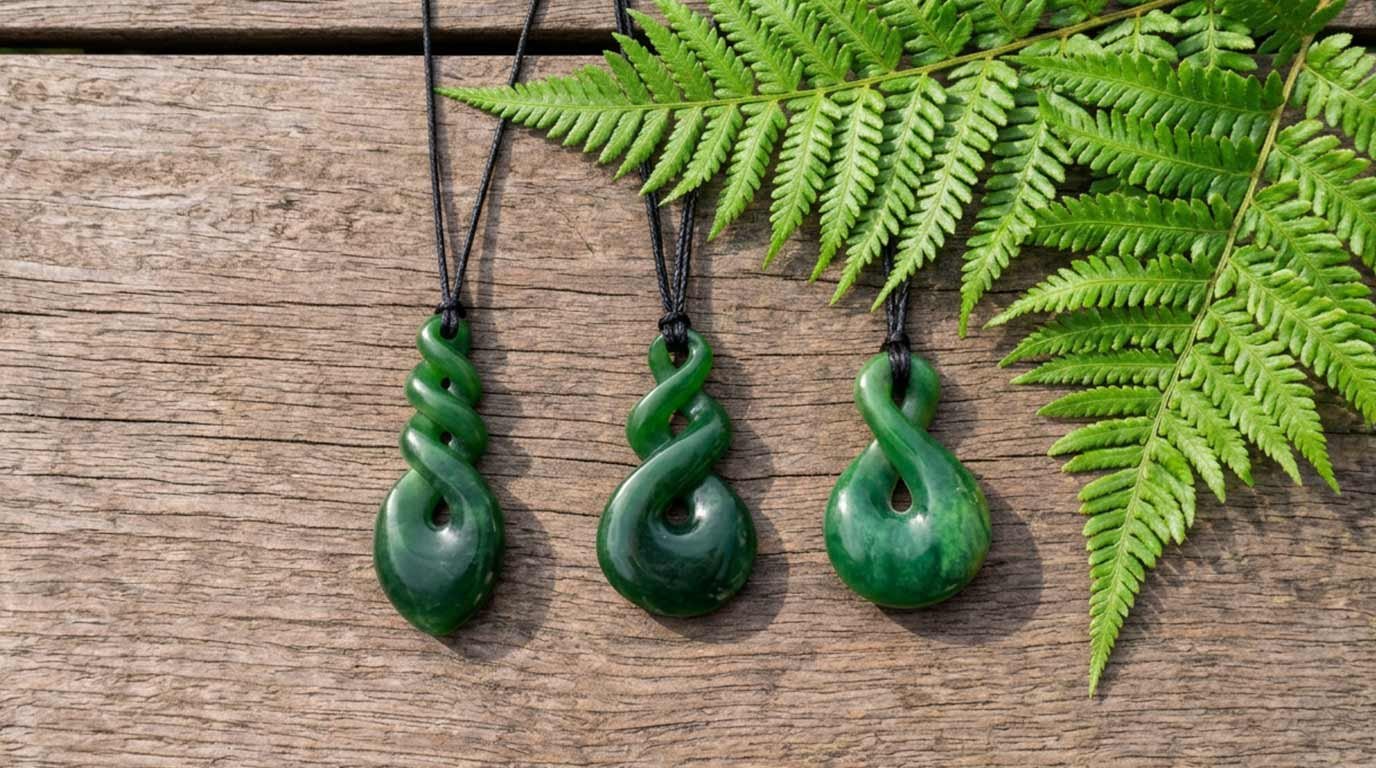
The pikorua works in all types of pounamu, but translucent stones like īnanga (pale greenstone) or tangiwai (a slightly greenish, glassy stone) are particularly striking, since light passes through the twisted form and reveals its three-dimensional structure. Kawakawa (dark green) produces a deeper, more grounded piece with strong visual contrast.
Whatever the stone, a pounamu pikorua is among the most meaningful gifts you can give to someone who matters to you, a permanent reminder that two paths, once joined, stay connected.
Frequently Asked Questions About the Pikorua
The pikorua symbolises the eternal bond between two people or two cultures, two separate paths that are forever intertwined. It represents the idea that even when apart, a genuine connection can never be broken.
They share visual similarities and a sense of endlessness, but the pikorua is a distinct Māori design with its own cultural meaning. It specifically represents two intertwining journeys or people, rather than the abstract concept of infinity.
The pikorua is ideal for gifts between partners, close friends who are parting ways, parents and children, or any two people whose lives are meaningfully connected. It's also popular as a symbol of New Zealand's bicultural heritage.
The pikorua (double twist) intertwines two paths, representing a bond between two people. The triple pikorua adds a third spiral, representing three people, generations, or the connection between past, present, and future.
Translucent stones like īnanga or tangiwai show the three-dimensional twist beautifully as light passes through them. Kawakawa (dark green) creates a strong, bold piece. All types of pounamu make meaningful pikorua.
In Māori tradition, pounamu is often considered most meaningful when given by another person, since it carries the giver's aroha (love) and intent. Views vary on this though, and buying pounamu for yourself is also widely accepted.