
Triple Pikorua Meaning: Family, Generations & the Threefold Bond
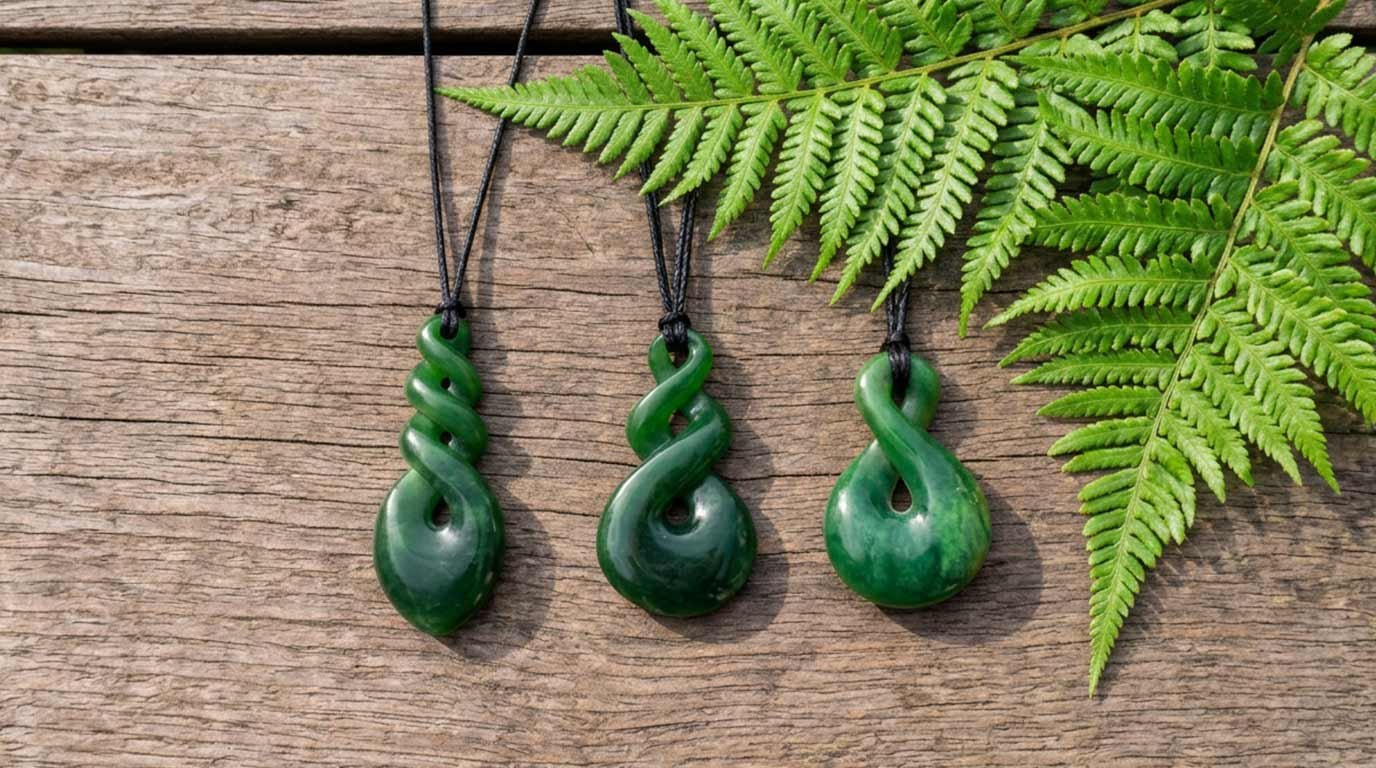
The triple pikorua is a pounamu twist pendant with three turns. It builds on the pikorua, the Māori twist symbol of lives that separate and rejoin, and is most often given to honour the bond between three people, a family, or three generations.
A single pikorua is usually read as two paths that wind apart and always come back together. Each extra twist adds to that story, and the triple form has become one of the most popular pounamu designs for families. Read more: Pikorua.
This guide covers how the triple pikorua is shaped, what it is commonly understood to mean, and what to look for when choosing one.
The Form: A Twist With Three Turns
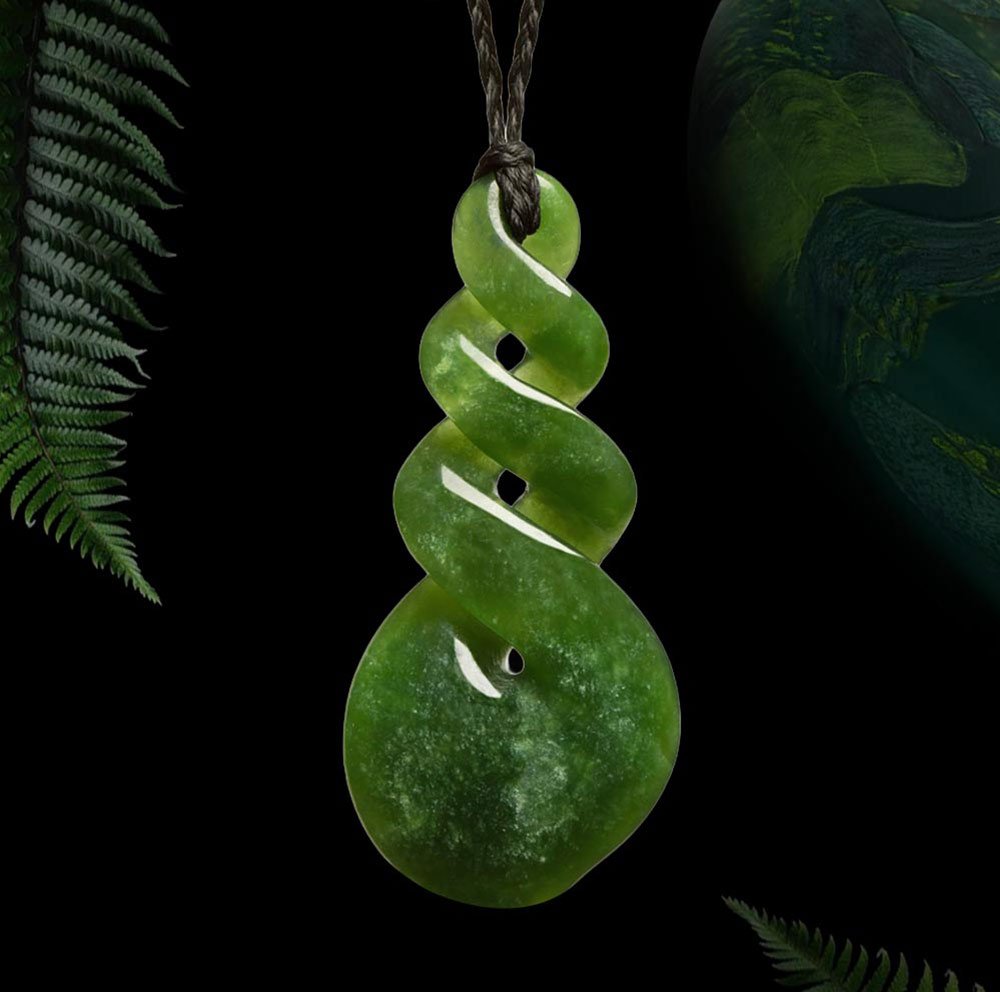
The pikorua is carved as strands of stone that wrap around each other and meet again, with open spaces carved right through the piece. Carvers usually describe the variations by the number of twists: single, double and triple. In a triple pikorua the strands turn three times before they meet at the base, giving a longer and more intricate shape than the single or double form.
Because every opening has to be worked through the stone from both sides, the triple form takes time and precision. A well-carved piece has even twists, clean openings and a smooth finish inside every turn.
Meaning: Family and Three Generations
The most common reading of the triple pikorua is family. It is often chosen to represent two parents and a child, a grandparent, parent and grandchild, three siblings, or three close friends. Like every pikorua, it expresses the idea that lives may take different directions but remain joined, and that the connection lasts through time.
Some wearers also read the three turns as past, present and future, each one shaping the next. These meanings come from carvers and wearers rather than a single fixed tradition, and what a piece represents is often decided by the person who gives it. Read more: Benefits of Wearing Pounamu.
A Gift for a Family
The triple pikorua is a popular gift at births, for new parents, at whānau milestones, and between generations, such as a grandparent giving one to a grandchild. In Māori tradition, pounamu is often felt to carry the most meaning when it is given by someone else, and saying who the three twists represent makes the gift more personal. Read more: Gifting Pounamu.
Single, Double or Triple?
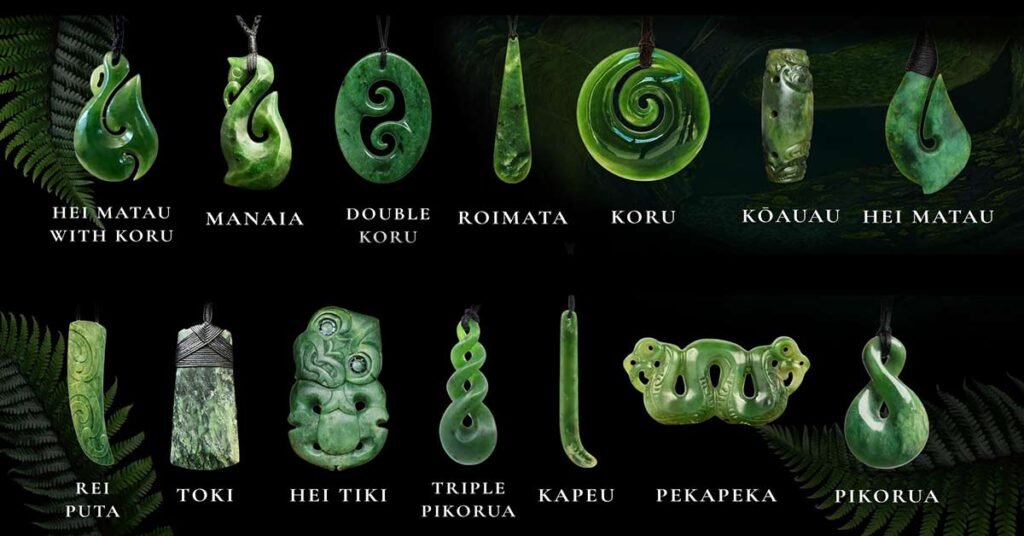
The simplest way to choose is to count the people the piece is meant for. The single and double pikorua are most often given to honour the bond between two people, such as partners or close friends. The triple pikorua is for three, so it suits a family unit or three generations better than a couple.
There is also a visual difference. The triple form is longer and more detailed, while the single twist is compact and simple. Hold or view them side by side if you can, since the right proportion often depends on the wearer as much as the meaning. Read more: Pikorua.

Choosing a Pounamu Triple Pikorua
Look for twists that are evenly spaced and similar in thickness, with no one turn much heavier than the others. Translucent stone such as īnanga or kahurangi lets light pass through the openings and shows off the shape, while deep green kawakawa gives a richer, more solid look. Read more: Types of Pounamu.
Open, twisted forms have thinner sections than a solid pendant, so buy from a carver or gallery that can tell you where the stone came from and who carved it. Read more: How to Tell If Pounamu Is Real.
Frequently Asked Questions About the Triple Pikorua
The triple pikorua is most often understood as the bond between three people, such as two parents and a child, or three generations of a family. Some wearers also read it as past, present and future joined together.
Both are forms of the pikorua twist. The triple has three turns and is usually chosen to represent three people, while the single and double forms are more often given to honour the bond between two people. Read more: Pikorua.
It is a popular gift for births, new parents, family milestones, and between generations, such as from a grandparent to a grandchild.
Generally yes. More twists mean more openings to work through the stone and thinner sections to keep strong, so it takes extra time, skill and sound stone.
Yes. It can represent three close friends, three siblings, or the connection between past, present and future. The meaning is often set by the person who gives it.
Translucent īnanga or kahurangi shows light through the twists, while kawakawa gives a deeper green. Choose stone without visible flaws, since the form has thin sections. Read more: Types of Pounamu.