
The Mere: Chieftainship, Mana & Authority in Pounamu
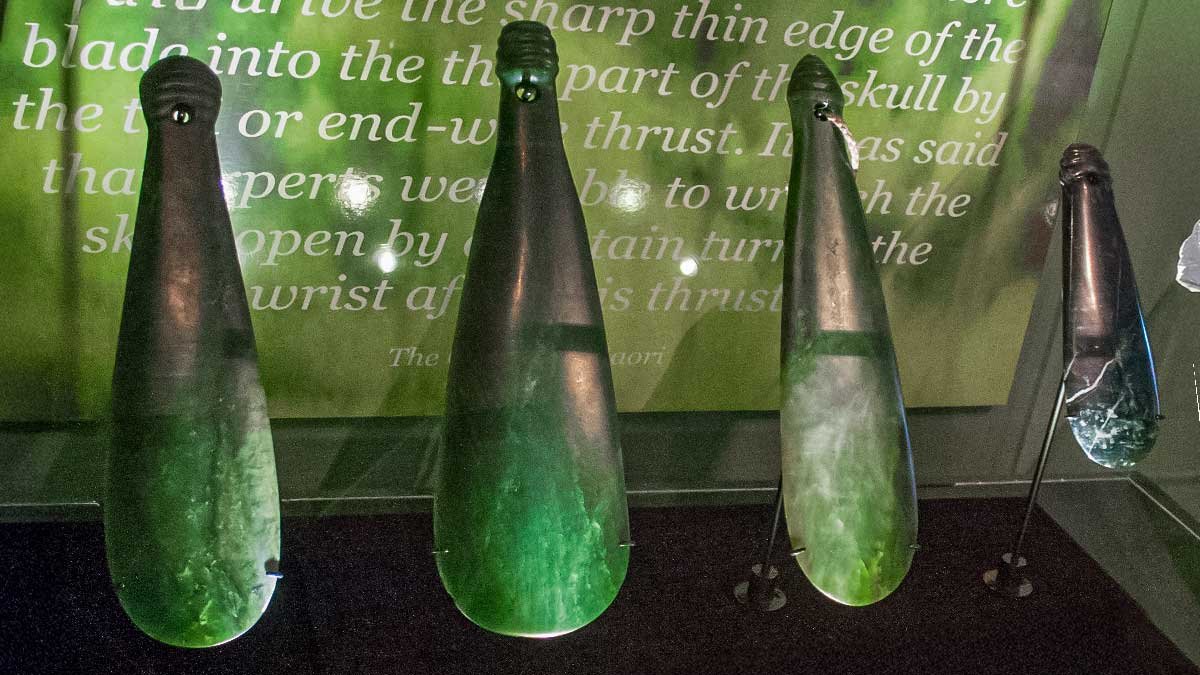
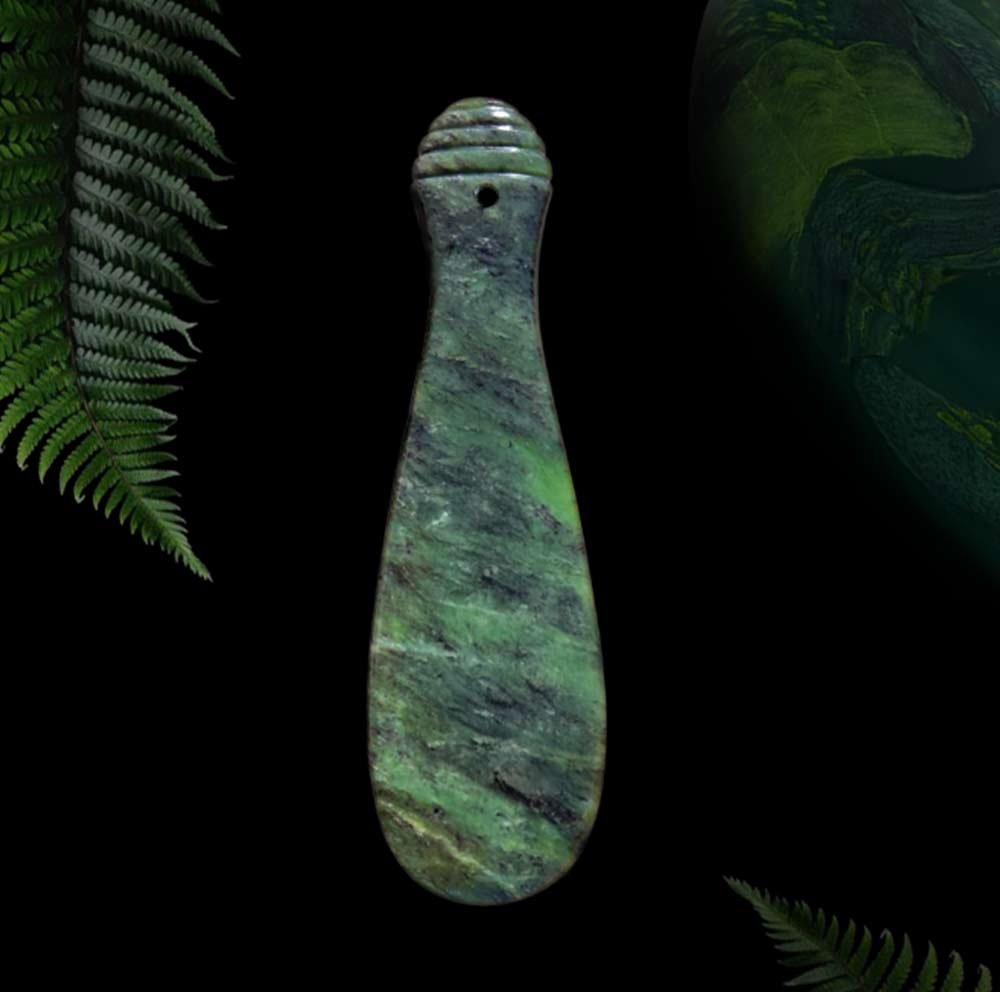
The mere is one of the most revered forms in pounamu: a short, flat, teardrop-shaped blade once carried only by rangatira (chiefs) as the ultimate symbol of authority, mana, and chiefly lineage.
Unlike many pounamu designs, the mere began life as a weapon rather than an ornament, part of the wider history of pounamu as a material used for tools and taonga alike. Its meaning today still carries that weight: strength held with restraint, and authority earned rather than simply claimed.
It's one of the most treasured forms worth comparing across the full range of pounamu designs and meanings, alongside other chiefly taonga such as the toki poutangata.
A Chief's Weapon, Not a Common Tool
The mere is a type of patu, a short, one-handed striking weapon, but the mere pounamu stood apart from other patu made of wood or bone. Because pounamu was so difficult to source and shape, a mere pounamu could take years, sometimes longer than one lifetime, to complete, and it was reserved for rangatira rather than carried by ordinary warriors.
Used correctly, the mere was a weapon of stabbing and jabbing rather than swinging blows, aimed at the ribs, neck, or temple in close combat. A wrist cord threaded through the handle kept it secured to its owner's hand during use, and stopped it slipping or striking another weapon hard enough to fracture the stone.
Meaning: Mana, Authority and Whakapapa
Above all, the mere pounamu is a symbol of mana, the prestige and spiritual authority carried by a chief and their line. To hold a mere was to carry the right to lead: authority grounded not just in strength, but in whakapapa (ancestry) and the responsibility owed to one's people.
Many mere pounamu were given personal names and were said to develop a mana and character of their own over generations of use. This is part of the same broader tradition running through the meaning and significance of pounamu more generally: an object grows in spiritual weight through the hands and history it passes through, not just the stone it started as.
Ceremony, Inheritance and Named Taonga
Beyond combat, the mere held deep ceremonial importance. It was carried during formal speeches as a mark of a speaker's standing, displayed at important gatherings, and, on the death of a chief, sometimes placed on the chest of the deceased as he lay in state.
Like the pounamu toki poutangata, the mere was inherited rather than made fresh for each generation. To receive a family's mere was to receive the mana of every rangatira who had carried it before, along with the stories and waiata (songs) that kept their memory alive.
Mere vs. Toki Poutangata
Both the mere and the toki poutangata were treasured symbols of chieftainship, but they represent different sides of leadership. The mere, a weapon shaped for close combat, speaks to a chief's role in defending and protecting their people. The toki poutangata, shaped after a ceremonial adze, speaks to their role in building and shaping the community. Many chiefly lines held both.
Choosing or Gifting a Pounamu Mere
A full-sized mere pounamu is typically a display or collector's piece rather than an everyday-wear pendant, reflecting its history as a weapon and heirloom rather than jewellery. Some carvers also create smaller, pendant-scale mere designs for those who want to wear its meaning day to day, without the historical scale of the original form.
Given its association with authority and inherited mana, a mere makes a significant gift for milestones tied to leadership or responsibility, and fits within the wider traditions covered in our guide to gifting pounamu. As with any pounamu, ask a retailer about the stone's origin and the carver behind it. For more on this, see our guide on how to tell if pounamu is real.
Frequently Asked Questions About the Mere
The mere pounamu symbolises mana, authority, and whakapapa. Traditionally carried only by rangatira (chiefs), it represented the right to lead and the responsibility that came with it, and was passed down through generations as a treasured taonga.
Both. The mere was a genuine close-combat weapon, used for stabbing and jabbing rather than swinging blows. It also held major ceremonial significance, carried during formal speeches and displayed at important gatherings as a mark of chiefly standing.
Patu is the general term for short, one-handed striking weapons, which could be made from wood, bone, or stone. Mere refers specifically to the teardrop-shaped patu carved from pounamu, considered the most prized and prestigious form because of the stone's rarity and the skill required to carve it.
Both are pounamu symbols of chieftainship, but the mere is shaped as a weapon, reflecting a chief's role in protecting their people, while the toki poutangata is shaped after a ceremonial adze, reflecting a chief's role in building and shaping their community. Many chiefly lines held both.
Yes, though a full-sized mere is usually bought and displayed as a collector's or heirloom piece rather than worn as jewellery, reflecting its history as a weapon rather than an ornament. Some carvers also make smaller, pendant-scale mere designs for everyday wear.
Naming a mere reflected its status as a living taonga rather than a plain object. Passed down through generations, a named mere carried the mana and stories of every rangatira who had held it, keeping their memory alive through the object and the waiata (songs) associated with it.