
The Rei Puta: High Prestige, Tribal Identity & Ancestral Mana
The rei puta is among the most prestigious pounamu forms in Māori culture, a flat, oval pendant with a central perforation, worn as a breastplate or pendant by people of the highest social standing. More than most pounamu designs, the rei puta is specifically associated with chiefly rank, tribal identity, and the accumulated mana (spiritual authority and prestige) of the lineage from which it descends.
Historically, a rei puta was not merely worn, it was displayed, inherited, and identified. Named pieces of rei puta were among the most important tāonga tuku iho (treasures passed down through generations), carrying the identity and authority of the tribe and the ancestors through whom they descended. (read more: History of Pounamu)
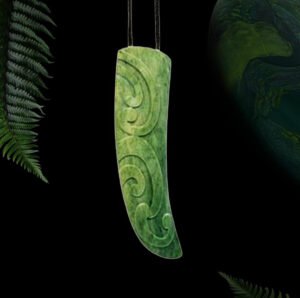
The Form of the Rei Puta
The rei puta is characterised by its broad, flat oval form with a drilled perforation in the upper area, the hole through which it was strung when worn. The name “rei puta” itself roughly translates to “bored pendant” or “pierced ornament”, a reference to this central feature. The form is deceptively simple: a smooth, polished oval of pounamu, unremarkable in complexity but extraordinary in presence.
The simplicity of the rei puta is part of its authority. It does not need elaborate carving to declare itself, the quality of the stone, the breadth of the piece, and the history it carries are sufficient. A rei puta in fine kahurangi (vivid green pounamu) has a presence that speaks before any words are said.
Meaning: Prestige, Rank and Ancestral Identity
The rei puta’s primary meanings are prestige and tribal identity. It was the pounamu of chiefs and high-status individuals, worn to signal rank and to carry the authority of one’s lineage. In a society where whakapapa (genealogy) was the primary source of social and spiritual authority, a rei puta worn by a rangatira (chief) made that authority visible and tangible. (read more: Benefits of Wearing Pounamu)
The perforation at the centre of the rei puta also carries symbolic meaning, the hole represents openness, passage, and the relationship between the material world and the spiritual one. Something that is pierced is permeable to influence from both sides; the rei puta suggests a person who is open to both the demands of the earthly world and the guidance of the ancestors.
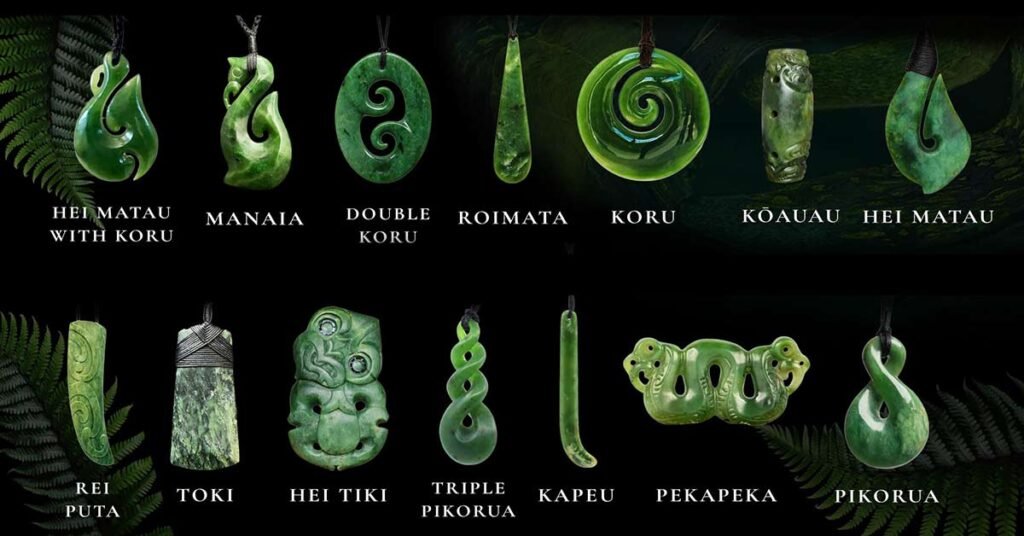
Named Rei Puta as Living Tāonga
Some of the most famous and historically significant pounamu pieces in New Zealand are rei puta, named tāonga with documented genealogies stretching back centuries. These pieces are held by iwi (tribes) as living symbols of identity and continuity, brought out for important ceremonies, displayed at tangihanga (funerals) of significant people, and treated with the kind of care and reverence due to the ancestors themselves.
The existence of these named tāonga is a reminder that pounamu, at its deepest level, is not jewellery, it is a living participant in Māori cultural and spiritual life. The rei puta, as one of the most prestigious forms, embodies this understanding most fully.
Rei Puta in Contemporary Context
Today, rei puta are made in a range of sizes and styles, from historically accurate replicas to more contemporary interpretations of the form. Contemporary wearers are drawn to the rei puta’s powerful, clean form and its associations with strength and identity. For Māori wearers especially, a rei puta connects directly to chiefly tradition and ancestral authority. (read more: Toki Poutangata)
The rei puta is also closely related to the porohita in its circular language, but where the porohita speaks to completeness and eternity in abstract terms, the rei puta speaks to the specific prestige and identity of the person who wears it. (read more: Porohita)
Pounamu Resources
Explore authentic greenstone carvers, galleries and shops across New Zealand.
Who Should Wear a Rei Puta?
The rei puta is most meaningfully worn by those who understand and respect its chiefly associations, and for whom that meaning of ancestral authority and personal identity resonates. For Māori wearers with a connection to their whakapapa, it can be an enormously powerful piece. For anyone drawn to its form and meaning, wearing a rei puta is an act of honouring the tradition of dignified, earned authority.
Choosing a Pounamu Rei Puta
The rei puta is most impressive in large, high-quality pounamu, a broad oval of kahurangi or fine kawakawa with good colour and polish. The simplicity of the form demands quality stone. A small rei puta in mediocre pounamu lacks the presence that makes this design meaningful. When buying or gifting a rei puta, prioritise the stone. (read more: Types of Pounamu)
A rei puta given with awareness of its cultural associations becomes one of the most significant pounamu gifts, a piece that connects the wearer directly to the tradition of chiefly mana and ancestral identity. (read more: Gifting Pounamu)
Frequently Asked Questions About the Rei Puta
What does rei puta mean?
Rei puta roughly translates to “pierced pendant” or “bored ornament” — a reference to the central perforation that characterises the design. As a pounamu form, it is associated with high chiefly status, tribal identity, and ancestral mana.
Was the rei puta only worn by chiefs?
Historically, the rei puta was among the most prestigious pounamu forms, worn primarily by rangatira (chiefs) and people of high standing. Today it is worn by anyone who respects its cultural associations, though its historical significance as a prestige tāonga remains.
What is the significance of the hole in the rei puta?
The perforation is both practical (for stringing the pendant) and symbolic — suggesting openness and permeability between the earthly and spiritual worlds. Something pierced is accessible to influence from both sides.
Are there famous rei puta in Māori culture?
Yes — some of the most historically important pounamu tāonga in New Zealand are named rei puta with genealogies stretching back centuries. These are held by iwi as living symbols of identity and brought out for important ceremonial occasions.
How is the rei puta different from the porohita?
The porohita is a solid circle symbolising completeness and eternity. The rei puta is specifically a prestigious oval pendant with a central perforation, associated with chiefly rank and ancestral identity rather than the more universal circle meaning. (read more: Porohita)
What stone is best for a rei puta?
The rei puta benefits from large, high-quality pounamu — the simplicity of the form demands excellent stone. Kahurangi (vivid, clear green) or fine kawakawa with good colour and polish are ideal. The stone’s quality is the primary factor in a rei puta’s impact. (read more: Types of Pounamu)