
The Marakihau: Sea Taniwha, Ocean Power & the Forces Beyond Control
The marakihau is one of the most dramatic and mythologically rich pounamu designs. A sea taniwha, a supernatural creature of the ocean depths, the marakihau appears in Māori art as a long, sinuous sea creature with a human-like face, a tubular tongue used to draw in canoes, and a powerful fish or serpent tail. It is a being of raw oceanic power, of forces that cannot be tamed, and of the deep waters where the rules of the land do not apply.
In pounamu, the marakihau is among the most striking and unusual designs, visually bold, culturally complex, and carrying meanings that go well beyond the protective or growth-oriented messages of most other forms. It is a design for those who feel a genuine connection to the sea and to forces greater than themselves. (read more: History of Pounamu)
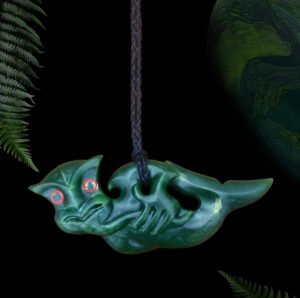
The Marakihau in Māori Mythology
In Māori tradition, taniwha are supernatural beings that inhabit the watery places of the world, rivers, lakes, ocean currents, and the deep sea. Some taniwha are guardians, protecting communities from harm and guiding safe passage through dangerous waters. Others are more ambivalent, powerful, unpredictable, demanding respect rather than offering simple comfort.
The marakihau specifically inhabits the open ocean, the deep, featureless waters far from the shore where Māori navigators had to trust entirely in their skill and their relationship with the sea. The marakihau could be an ally to those who approached the ocean with proper respect, or a danger to those who did not. This duality is central to the design’s meaning.
Meaning: Raw Power, Guardianship and Transformation
The primary meaning of the marakihau is oceanic power, the raw, undifferentiated force of the sea that has no interest in human plans and cannot be negotiated with. Wearing a marakihau is an acknowledgment of this power, a declaration that the wearer knows themselves to be small in the face of something vast, and finds meaning in that relationship rather than fear. (read more: Benefits of Wearing Pounamu)
The marakihau also carries meanings of transformation, the sea is the great transformer, shaping coastlines, reshaping lives, pulling the familiar into the deep and sending back something new. Those who have undergone major transformation, who have been remade by experiences beyond their control, often find the marakihau resonant.
Marakihau as a Guardian of the Sea
Despite its formidable nature, the marakihau can be a protector. In coastal Māori communities, taniwha were understood as guardians of specific places, dangerous to those who showed disrespect, but protective of those who honoured them. A marakihau pendant worn with genuine respect for the sea is understood to invoke that protective relationship, not as a simple talisman of good luck, but as a commitment to approaching the ocean (and by extension, all powerful forces) with appropriate humility and care.
This makes the marakihau a deeply appropriate design for serious ocean people, professional fishermen, deep-sea divers, sailors, surfers who work in big water. It acknowledges the sea’s power without trying to diminish it, and invites the protective aspect of that power by doing so. (read more: Hei Matau)
The Marakihau in Pounamu Carving
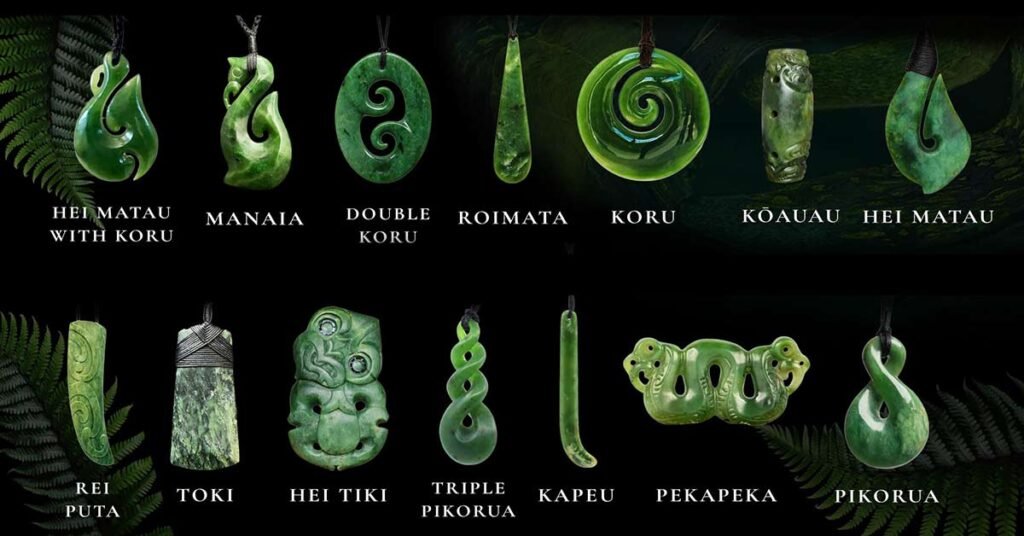
The marakihau is one of the more complex forms to render in pounamu, the sinuous body, the distinctive face with its tubular tongue, and the powerful tail all need to be clearly expressed. Some carvers render the marakihau in high relief, with the creature emerging from the stone’s surface. Others create a more abstracted form that retains the essential energy while reducing the literal detail. (read more: The Pekapeka)
In all cases, the marakihau benefits from confident, bold carving. This is not a design for timid execution, its subject demands the same directness and power that the creature itself embodies.
Pounamu Resources
Explore authentic greenstone carvers, galleries and shops across New Zealand.
Who Should Wear a Marakihau?
The marakihau is most meaningful for those with a deep personal relationship to the ocean, those who live by it, work on it, or have been profoundly shaped by it. It is also appropriate for those who have undergone significant transformation, who have been remade by forces beyond their control and come through changed but intact. The marakihau honours that kind of experience.
Choosing a Pounamu Marakihau
The marakihau works best in stones with depth and character, kawakawa with complex internal patterning, or tangiwai (a translucent stone with a watery quality) that evokes the sea itself. The carving should be bold and clear, with the creature’s essential features, face, tongue, tail, all visible and intentional. A marakihau that lacks conviction in its carving fails to capture the power of its subject. (read more: Types of Pounamu)
For those who feel a genuine connection to the sea and its mythologies, the marakihau is one of the most powerful and honest pounamu choices, a design that acknowledges what the ocean truly is, and what it means to live in relationship with forces that will always be greater than we are. (read more: What Is Pounamu?)
Frequently Asked Questions About the Marakihau
What is the marakihau in Māori mythology?
The marakihau is a sea taniwha — a supernatural creature of the ocean depths in Māori mythology. It appears as a long sea creature with a human-like face and a tubular tongue. It represents the raw power of the ocean and the forces beyond human control.
What does the marakihau symbolise in pounamu?
The marakihau symbolises oceanic power, transformation, and the guardianship of those who approach the sea with genuine respect. It acknowledges forces greater than human will and invites a protective relationship with them through that acknowledgment.
Is the marakihau dangerous or protective?
Both — in Māori tradition, taniwha like the marakihau are powerful and unpredictable, dangerous to those who show disrespect and protective of those who approach them with proper humility and care. The design embodies this duality.
Who is the marakihau a good gift for?
The marakihau is ideal for serious ocean people — fishermen, sailors, deep-sea divers, surfers — and for those who have undergone major life transformation. It is a design for people who have been genuinely shaped by forces beyond their control.
How does the marakihau compare to the hei matau?
Both relate to the sea, but differently. The hei matau (fish hook) speaks to abundance and safe travel — the human working skillfully with the sea. The marakihau speaks to the sea’s own power — the vast, transformative force that the human must respect and navigate rather than master. (read more: Hei Matau)
What stone is best for a marakihau?
Stones with depth and visual complexity suit the marakihau best — kawakawa with rich internal patterning, or tangiwai with its watery, translucent quality. The carving needs to be bold and confident to capture the creature’s power. (read more: Types of Pounamu)