
Toki Poutangata Meaning: The Ceremonial Adze of Chiefly Authority
The toki poutangata is a ceremonial adze: a pounamu blade lashed to a finely carved wooden handle, held by rangatira (chiefs) as a symbol of chiefly authority. Today the form also inspires pounamu pieces given to honour leadership.
Unlike an everyday toki, the toki poutangata was never a working tool. It belonged to chiefly families, appeared on important occasions, and was often named and passed down as an heirloom carrying great mana. Read more: The Toki.
This guide covers what a toki poutangata is, the role it played in traditional Māori society, what the name is understood to mean, and how the design is used today.
What Is a Toki Poutangata?
A toki poutangata is made of two parts: a large pounamu adze blade, and a wooden handle it is bound to with fibre. The handles are often elaborately carved, sometimes with a figure at the top, and some were decorated with the feathers of significant birds. Museum examples show blades that are notably large; Te Papa holds a ceremonial blade around 44 centimetres long.
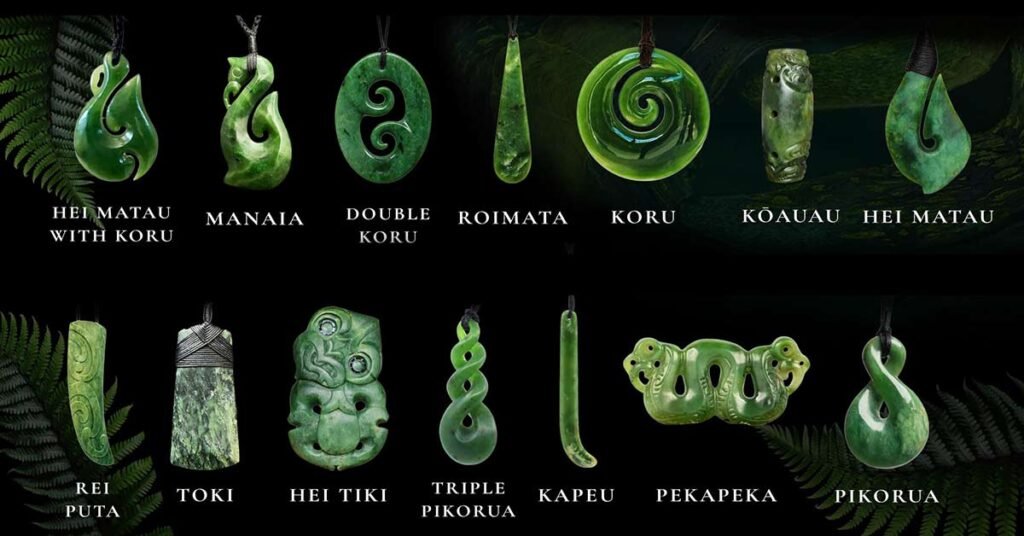
This makes the toki poutangata different from the toki pendant most people know. The pendant takes the shape of the blade alone, while the toki poutangata is the complete ceremonial adze.

Its Role in Traditional Māori Society
The toki poutangata was carried by chiefs to show their authority, in a similar way to the mere pounamu. According to Te Ara, it was described as a war adze but was rarely used in battle and never used to shape wood. It was owned by chiefly families and brought out on ceremonial occasions, such as being placed on the chest of a chief lying in state. Some accounts also describe it being used for the first ceremonial cut when felling a great tree for a waka or a meeting house.
Many toki poutangata were given names and treated as tapu, holding the mana of the people who had held them before. In 1901, Te Pokiha Taranui of Te Arawa presented one to the visiting Duke of Cornwall and York at Rotorua, a gift recognised at the time as a badge of chieftainship. Te Ara covers this history in its guide to pounamu as a symbol of chieftainship. Read more: History of Pounamu.
What Does the Name Mean?
Toki means adze. The meaning of poutangata is less settled. The scholar Te Rangi Hiroa (Sir Peter Buck) suggested it meant "the adze that establishes man in authority". A popular modern reading splits the word into pou (post or pillar) and tangata (person or people), giving "the pillar of the people". Both readings point to the same idea: the toki poutangata is tied to the authority and responsibility of leadership.
Meaning Today: Leadership and Recognition
Today the toki poutangata is associated with authority, leadership and responsibility for others. Pounamu pieces inspired by the form are given to recognise people who lead and serve their communities, and for Māori recipients in particular, being honoured this way can carry real weight. As with all pounamu, interpretations vary between iwi, carvers and wearers. Read more: Rei Puta.
Toki Poutangata vs Standard Toki
A standard toki pendant is a personal piece, usually linked with strength, determination and focus. The toki poutangata carries a more public meaning: authority held on behalf of others. In practical terms, a full toki poutangata is a carved adze made by a carver working in both wood and stone, while most toki pendants show the blade shape on its own. Read more: The Toki.
Gifting and Choosing a Toki Poutangata
Because of its link to formal leadership, a toki poutangata usually carries the most meaning when given in a formal or acknowledged setting, such as a farewell, an appointment or a significant community occasion. Full ceremonial adzes are often commissioned directly from a carver. Read more: Gifting Pounamu.
Kahurangi, a rare and highly translucent pounamu, is often described as the traditional prestige stone for toki poutangata. Whatever the stone, ask the carver where it came from and how the piece was made. Read more: Types of Pounamu.

Frequently Asked Questions About the Toki Poutangata
Toki means adze. Te Rangi Hiroa (Sir Peter Buck) suggested toki poutangata meant "the adze that establishes man in authority". A popular modern reading is "the pillar of the people", from pou (pillar) and tangata (people).
Traditionally, no. A toki poutangata is a ceremonial adze with a pounamu blade lashed to a carved wooden handle. Toki pendants take the shape of the blade alone. Read more: The Toki.
A standard toki pendant is a personal piece linked with strength and determination. The toki poutangata was a chief's ceremonial adze, a symbol of authority held on behalf of the people.
Rangatira (chiefs) and chiefly families. They were brought out on ceremonial occasions, often named, and passed down as heirlooms with great mana.
Formal occasions that recognise leadership, such as an appointment, a farewell, or a significant community event. The setting of the gift is part of its meaning.
You can. Traditionally, pounamu is often felt to carry the most meaning when gifted, especially a piece linked to leadership, but buying for yourself is common today. Read more: Can You Buy Pounamu for Yourself?