
The Kapeu: Grace, Authority & High Status in Pounamu
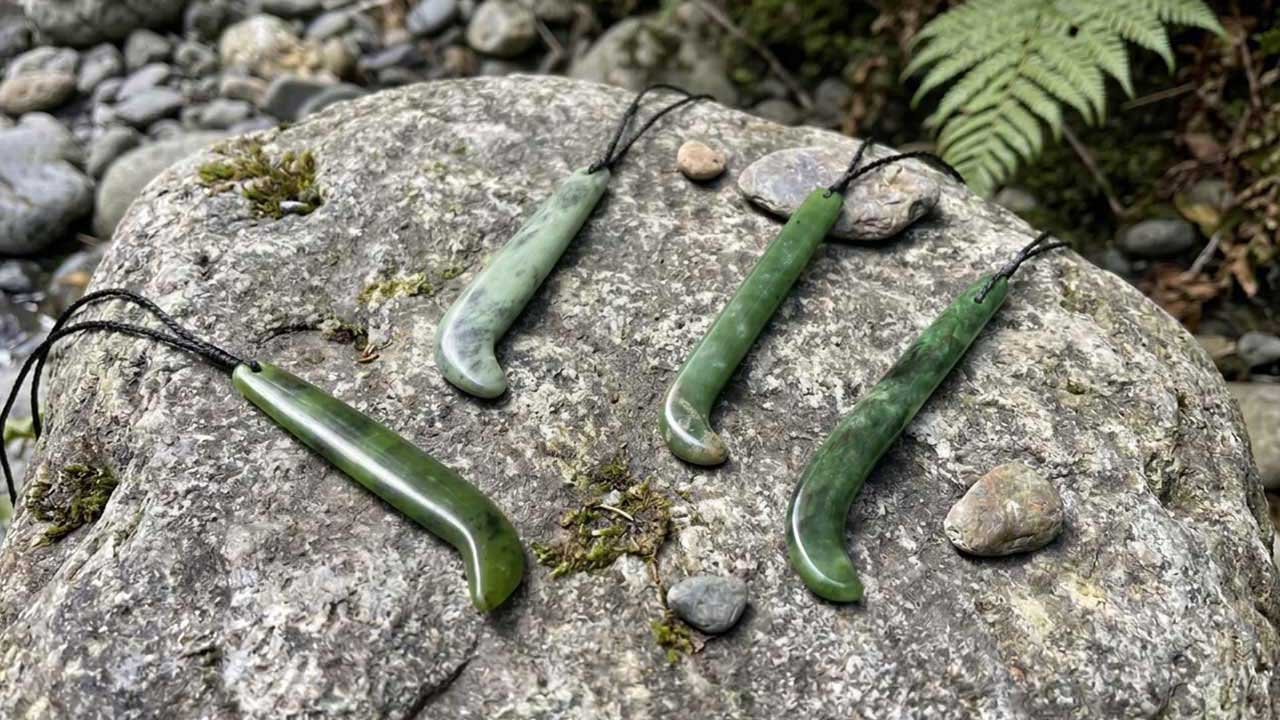
The kapeu is one of the more refined and elegant pounamu designs, a sweeping, asymmetrical curve that suggests both power and fluidity. Unlike the bold declarations of the toki or the protective force of the manaia, the kapeu speaks in a quieter register: it is the design of someone who carries authority gracefully, whose presence commands respect without force.
In Māori culture, the kapeu was associated with high social standing and refinement. It was worn by those of rank and people of distinction, and its elegant form reflected the grace expected of those in positions of prestige. Read more: History of Pounamu.
The Form of the Kapeu
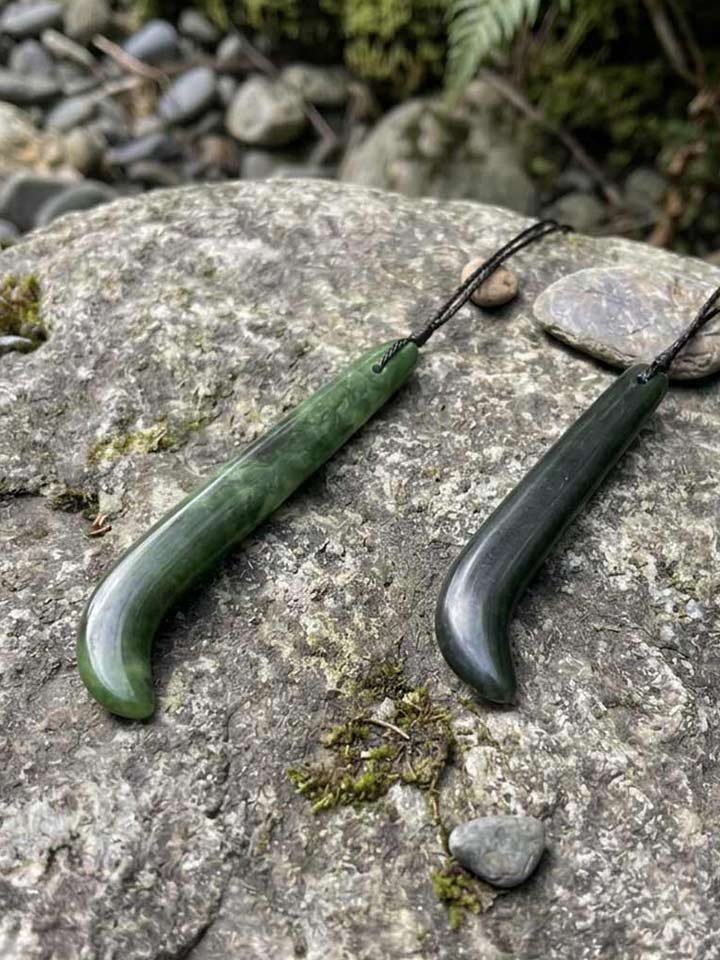
The kapeu is typically a single, curved hook-like form, broader at one end and tapering to a point with a gentle bend near the lower tip. Its silhouette is often described as resembling an eagle's talon or a curved claw, though it is also interpreted as an abstract hook or a highly stylised bird-form. The asymmetry and the curving motion of the design give it a sense of dynamic energy, as if the piece is in the midst of movement.
Traditionally, the kapeu was worn as an ear pendant rather than a neck pendant, a distinctive form among pounamu ornaments. It was highly prized and considered a sign of high rank, the chief depicted on the New Zealand coat of arms is shown wearing one. Today, the kapeu is most commonly adapted into a neck pendant, since ear-worn ornaments of this scale are less practical for everyday wear, though the original ear-pendant tradition is part of what gives the design its historical depth.
Skilled carvers work to bring out the natural patterns in the pounamu stone, often choosing pieces with distinctive colour gradations or inclusions that add character to the sweep of the kapeu's form. A good kapeu in fine pounamu is among the most visually striking of all greenstone designs.
Meaning: Status, Refinement and Personal Authority
The kapeu's primary meaning is linked to social standing, personal authority, and the kind of grace that comes from genuine confidence. It does not shout its power, it embodies it. This makes it a design for those who lead with intelligence and presence rather than force, who command respect through character and achievement. Read more: Benefits of Wearing Pounamu.
It is also associated with distinction in one's field, the acknowledgment of someone who has reached a notable level of mastery or achievement. A kapeu given to recognise professional excellence or personal distinction carries this meaning directly.
Kapeu in Māori Society
In traditional Māori society, not all pounamu designs were equally accessible. Certain forms were reserved for people of rank, worn as visible markers of one's position in the community, as well as personal taonga imbued with ancestral mana. The kapeu was among these prestige designs, worn by people of both genders whose standing in the community was recognised and honoured.
Beyond its role as a status marker, the kapeu also had a gentler, practical use: some traditional pounamu kapeu were used by mothers to soothe a teething infant, gently massaging the child's gums with the smooth, curved tip. It's a small detail, but a telling one, a reminder that even taonga associated with high status were woven into the everyday life and care of whānau.
This association with high status does not make the kapeu inaccessible today, rather, it gives wearing one a sense of aspiration and acknowledgment. To give someone a kapeu is to recognise their distinction, their grace, and the authority they carry in the world.
Kapeu vs. Other Hook Designs
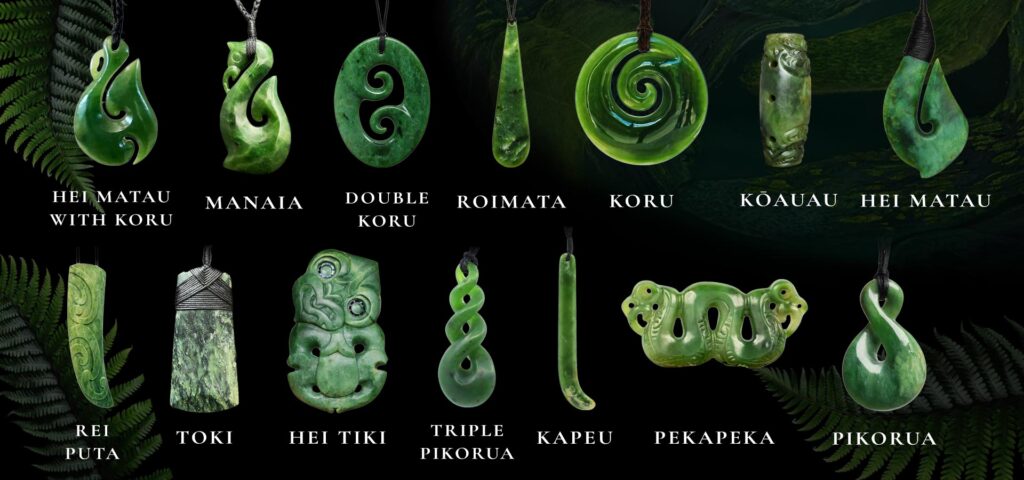
The kapeu is sometimes confused with the hei matau (fish hook) because both feature a curved hook form. However, they are distinct in both shape and meaning. The hei matau is specifically fish-hook shaped, with a barb and a clear functional reference. The kapeu is more abstract and sweeping in form, with less literal reference to fishing and more emphasis on grace and status. Read more: Hei Matau.
Equally, the kapeu has a different quality from the toki (adze), though both are associated with authority. The toki speaks to the builder and the warrior; the kapeu speaks to the leader and the person of refinement. Together, they represent two faces of authority in Māori culture. Read more: The Toki.
Who Should Wear or Receive a Kapeu?
The kapeu is a meaningful gift for someone who carries themselves with authority and grace, a leader, a mentor, someone who has achieved notable distinction in their field, or a person whose quiet confidence commands deep respect. It is also appropriate for marking a significant personal achievement or transition into a position of greater responsibility.
Choosing a Pounamu Kapeu
Because the kapeu's form is all about sweep and curve, the quality and character of the pounamu stone is especially important. A piece with interesting natural patterning, colour variations, inclusions, or graduated translucency, rewards the flowing form of the kapeu design. Kawakawa (dark green) gives a grounded, authoritative piece; kahurangi (vivid, clear green) creates something luminous and refined. Read more: Types of Pounamu.
A kapeu is a genuinely distinguished pounamu piece, elegant, culturally rich, and carrying the meaning of grace under authority. For the right person, it is one of the most fitting pounamu taonga you could give. Read more: Gifting Pounamu.

Frequently Asked Questions About the Kapeu
The kapeu is associated with grace, social status, and personal authority. In Māori culture, it was worn by people of rank and distinction. As a pounamu design, it symbolises refined leadership, personal excellence, and the authority that comes from genuine character.
Both feature a curved hook shape, but the hei matau is specifically fish-hook shaped with a literal functional reference to fishing, while the kapeu is more abstract and sweeping, emphasising grace and status rather than a literal object. Read more: Hei Matau.
A leader, mentor, or anyone who has reached a notable level of achievement or distinction, since the design specifically honours authority carried with grace rather than force.
Not exclusively. Traditionally it was worn as an ear pendant by people of both genders who held mana (prestige) within their community, not only by rangatira, though it was still considered a marker of high status.
Kawakawa gives a grounded, authoritative look, while kahurangi creates a more luminous, refined piece. Stones with natural colour variation particularly suit the kapeu's flowing form. Read more: Types of Pounamu.
Yes. While it carries historical associations with status and rank, today it's generally worn and given to acknowledge someone's achievement, leadership, or personal grace, not restricted by formal rank.