
Can Anyone Wear Pounamu?
Pounamu, also known as New Zealand greenstone, holds deep cultural significance in Māori tradition. For centuries it has been valued not only for its beauty but also for its meaning as a taonga, or treasured object.
Many people who discover pounamu wonder whether anyone can wear it, or whether there are cultural traditions that should be respected. Questions about gifting, ownership, and symbolism are common, especially for visitors to New Zealand who wish to purchase or wear a piece.
Understanding the cultural background of pounamu helps ensure that it is worn in a respectful and meaningful way. While the stone has strong roots in Māori heritage, today people from many cultures wear pounamu while acknowledging its origins and significance.
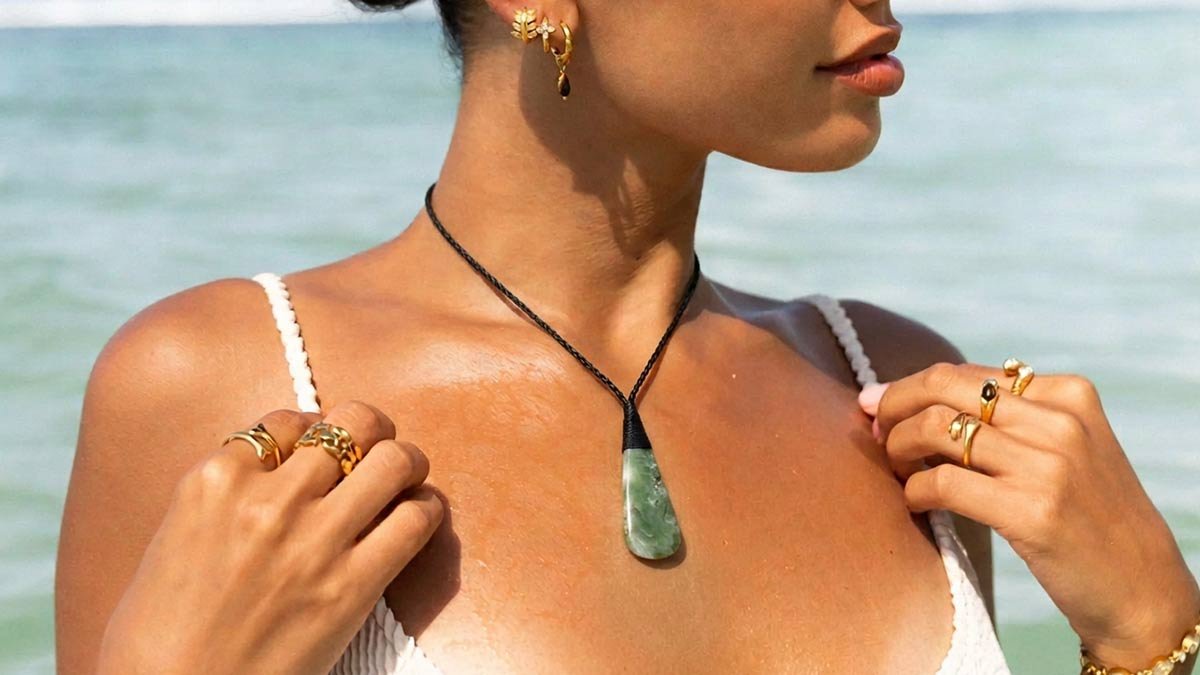
Cultural Meaning of Pounamu
Pounamu has long been considered a taonga in Māori culture. Traditionally it was used for tools, weapons, and ornaments, and certain pieces were passed down through generations.
Carved pounamu often carries symbolic meaning depending on its shape. Designs such as the koru, toki, or pikorua represent ideas like growth, strength, and connection.
Over time these pieces can develop personal significance for the wearer, especially when they are given as a gift.
Can Anyone Wear Pounamu?
Yes, people from any background can wear pounamu today. However, it is important to understand and respect the cultural heritage of the stone.
For many Māori, pounamu represents identity, connection to the land, and ancestral history. Because of this, wearing pounamu with awareness and respect for its cultural significance is encouraged.
Visitors and people from outside New Zealand often wear pounamu as a symbol of their connection to the country or appreciation for Māori culture.
Is Pounamu Traditionally Gifted?
A commonly shared tradition is that pounamu should be given as a gift rather than purchased for oneself. While this belief is widely known, practices can vary.
Historically, pounamu was sometimes gifted to strengthen relationships or mark important life events. Receiving a piece from someone else can add meaning to the stone and deepen its significance.
Today, many people still choose to gift pounamu for occasions such as birthdays, graduations, or new beginnings. Read more on gifting pounamu.
Wearing Pounamu with Respect
Respect for pounamu often comes from understanding its cultural roots.
Some common ways people show respect include:
- Learning about the meaning of the design
- Understanding where the stone comes from
- Purchasing from reputable carvers or galleries
Many visitors choose to buy directly from artisans who work with locally sourced pounamu.
Cultural significance
Pounamu is considered a treasured taonga in Māori culture and carries deep historical and spiritual meaning.
Who can wear it
People from any background can wear pounamu today, while respecting its cultural origins and significance.
Gifting tradition
Pounamu is often gifted to mark meaningful occasions or relationships, which can add personal significance to the piece.
Design meanings
Different carved shapes such as the koru, toki, or pikorua represent values like growth, strength, and connection.
Connection over time
Many pounamu pieces gain personal meaning as they are worn and sometimes passed down through generations.
Frequently Asked Questions
Do you have to be Māori to wear pounamu?+
No. People from many cultures wear pounamu today. The important thing is understanding and respecting its cultural significance.
Can you buy pounamu for yourself?+
Yes. While gifting traditions are common, many people purchase pounamu for themselves.
What does wearing pounamu mean?+
For some people it represents cultural connection, while for others it symbolises personal meaning through the design.
Are there rules about wearing pounamu?+
There are no universal rules, but learning about tikanga and respecting Māori traditions is encouraged.
How can you wear pounamu respectfully?+
Respect generally comes from learning about the meaning of the design, understanding where the stone comes from, and purchasing from reputable carvers or galleries rather than treating it as a generic souvenir.
Do visitors to New Zealand wear pounamu?+
Yes. Visitors and people from outside New Zealand often wear pounamu as a symbol of their connection to the country or appreciation for Māori culture, and this is generally seen as respectful when approached thoughtfully.