
Tikanga & Cultural Respect: Understanding Pounamu's Cultural Significance
Pounamu is more than a stone. In Māori culture, it is regarded as a taonga, a treasured object with deep cultural, spiritual, and historical significance.
Understanding tikanga, or cultural practices and values, helps ensure pounamu is treated with the respect it deserves. Whether you are wearing pounamu, gifting it, or learning about its history, awareness and intention matter.
What Is Tikanga?
Tikanga refers to the customary values, practices, and protocols that guide Māori life. It shapes how people interact with one another, with nature, and with taonga such as pounamu.
Tikanga is not a strict rulebook. Practices can vary between iwi and regions, and understanding comes through learning, listening, and respect rather than rigid interpretation.
Pounamu as a Taonga
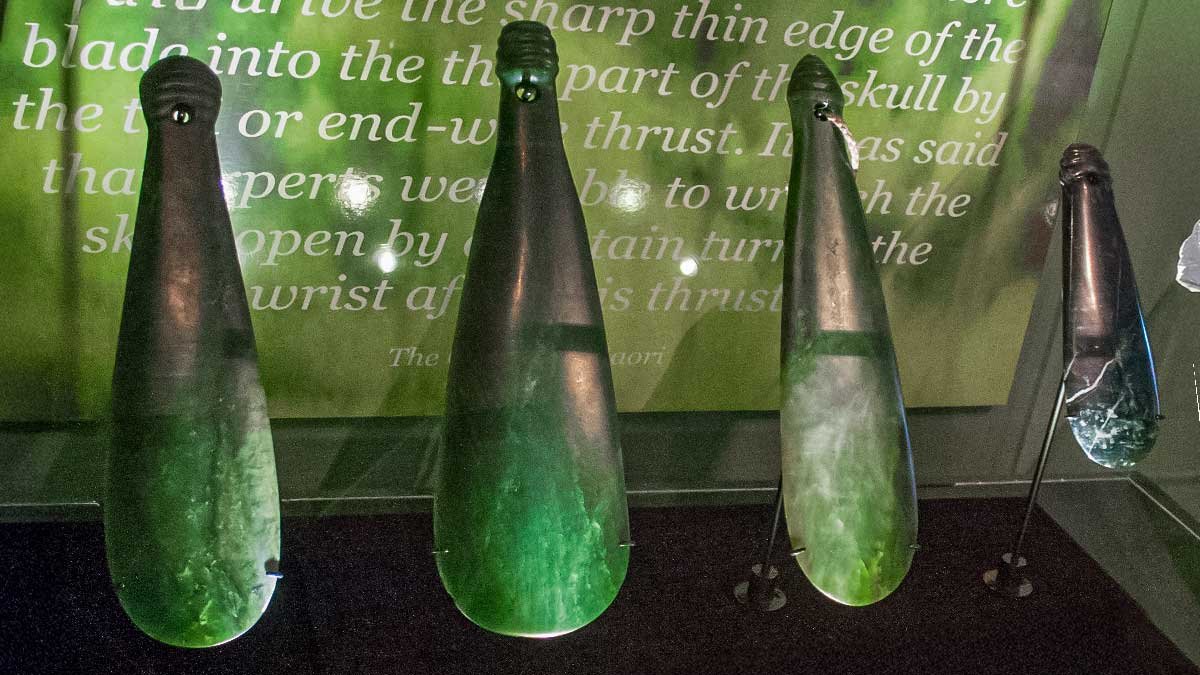
Pounamu holds a unique place in Māori culture. Traditionally, it was highly valued and carefully worked into tools, weapons, and adornments.
Because of its significance, pounamu was often gifted rather than traded, strengthening relationships and marking important events. Many pieces were passed down through generations, gaining meaning and mana over time.
Gifting Pounamu
One widely shared tradition is that pounamu is best received as a gift, rather than purchased for oneself. This reflects the idea that pounamu carries the intention of the giver.
Today, many people do purchase pounamu for themselves, particularly when buying from Māori carvers or reputable sources. What matters most is the intention, understanding, and respect shown in the process.
Wearing Pounamu Respectfully
There are no universal rules about how pounamu must be worn, but cultural respect is expressed through care and awareness.
Some commonly shared understandings include:
- Wearing pounamu close to the body
- Removing it during certain activities if damage or disrespect could occur
- Treating it as more than a fashion accessory
Meaning often deepens as the wearer forms a personal connection with the piece. Read more: Can Anyone Wear Pounamu? Cultural Meaning & Traditions.
Caring for Pounamu
Pounamu is durable, but it is still treated with care. Traditionally, caring for pounamu reflects care for the relationships and stories attached to it.
Cleaning pounamu gently and storing it thoughtfully are small ways to honour its status as a taonga.
Buying Pounamu Respectfully
When buying pounamu, cultural respect includes:
- Choosing authentic New Zealand pounamu
- Supporting Māori carvers and local galleries
- Avoiding misleading or mass-produced imitations
Learning where a piece comes from and who carved it helps maintain transparency and respect.
Cultural Appreciation vs Appropriation
Learning about and wearing pounamu is generally considered cultural appreciation when done with respect, understanding, and acknowledgement of its origins.
Appropriation can occur when cultural significance is ignored, misrepresented, or used purely for commercial or decorative purposes without context.
Approach pounamu with humility and openness, and be willing to learn.
A Living Culture
Māori culture is living and evolving. Practices, interpretations, and expressions of tikanga continue to grow alongside contemporary life.
There is no single authority on how every person should interact with pounamu. Respect comes from intention, listening, and ongoing learning.
Understanding Tikanga and Pounamu
By learning about tikanga and cultural respect, visitors can form a deeper, more meaningful relationship with pounamu.
Approaching pounamu with care, awareness, and respect honours both the stone itself and the culture it comes from. Read more: How to Care for Pounamu.
Frequently Asked Questions About Tikanga & Cultural Respect
Tikanga refers to the customary Māori values, practices, and protocols that guide how people, and taonga such as pounamu, are treated with respect. It shapes wearing, gifting, and buying pounamu, though it is a set of values rather than a fixed rulebook.
No. Anyone can learn about and respect tikanga. What matters most is approaching it with openness, listening, and a genuine willingness to understand its cultural context rather than treating it as a formality.
Yes. While pounamu is traditionally gifted, many people today purchase it for themselves, particularly from Māori carvers or reputable sources. What matters most is the intention and respect shown in the process, not strictly how it was acquired.
There are no universal rules, but commonly shared understandings include wearing it close to the body, treating it as more than a fashion accessory, and being mindful about removing it during activities where it could be damaged or disrespected.
Wearing and learning about pounamu with respect, understanding, and acknowledgement of its origins is generally seen as appreciation. Appropriation tends to occur when its cultural significance is ignored or the piece is treated purely as a decorative or commercial object without context.
No, tikanga can vary between iwi and regions. There is no single authority on every practice, so understanding comes through learning, listening, and respecting the variation rather than expecting one fixed set of rules.