
Home » Regions » Gisborne

Region Guide

Pounamu in Gisborne Tairāwhiti

Gisborne sits on the eastern coast of New Zealand's North Island, the first city in the world to greet each new day.

It is a region of deep Māori heritage, dramatic coastline, and a proud connection to the traditions of Ngāti Porou and other iwi of the eastern rohe.

Māori name Tairāwhiti
Known for First city in the world to see the sunrise

Against this backdrop, pounamu (greenstone) holds a special place as a taonga carried north through ancient trade routes from pounamu's source rivers on the West Coast of the South Island, gifted and treasured by the people of Tairāwhiti for centuries.

While Gisborne is not a large city, it is home to one of New Zealand's most celebrated pounamu carving destinations, drawing visitors from across the country who come specifically to watch master carvers at work and discover unique handcrafted greenstone taonga. The region's small size and relaxed pace mean that pounamu experiences here feel genuinely personal and unhurried, a world away from the tourist shops of larger centres.

On this page you will find a selection of pounamu carvers, greenstone galleries and shops in Gisborne and the Tairāwhiti region, where visitors can discover authentic handcrafted pieces and connect with the story behind each taonga.
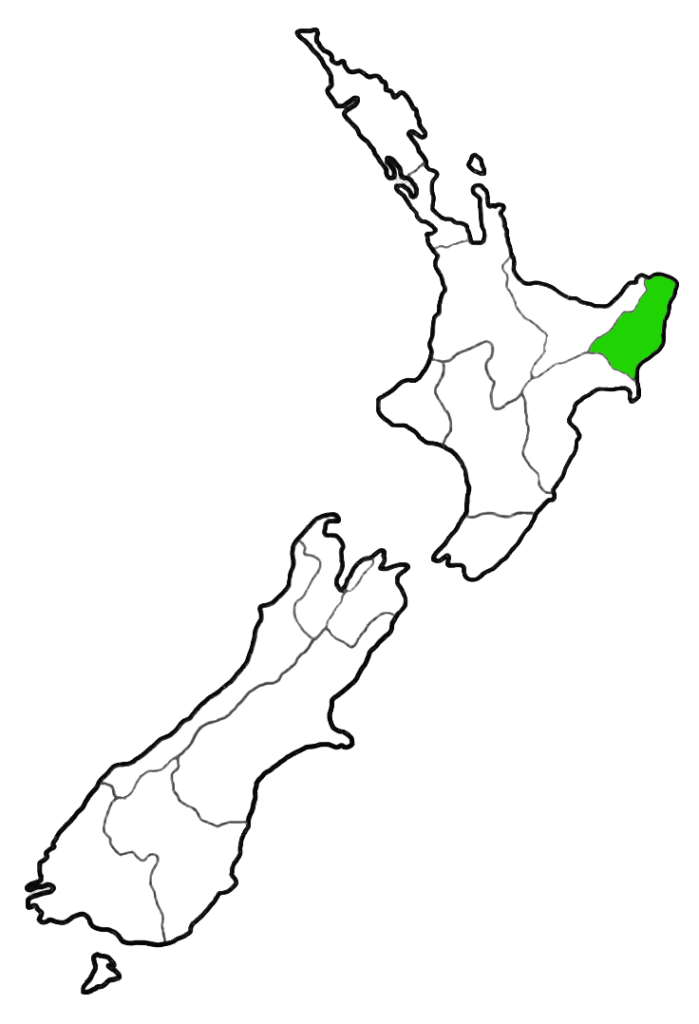
Map of New Zealand with the Gisborne region highlighted

Pounamu Carvers, Galleries & Shops in Gisborne

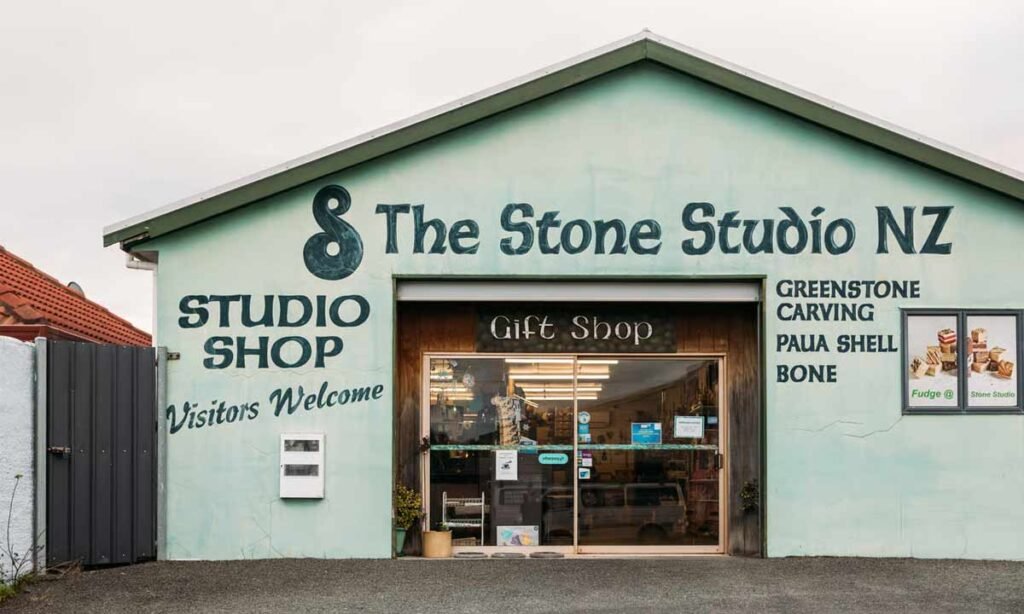
Gisborne’s pounamu scene is intimate and authentic. The Stone Studio on Stanley Road is one of the most respected carving destinations in the entire country, offering visitors a rare chance to watch master carvers Ewan Parker and his son Guy at work on colossal blocks of West Coast nephrite jade.

Map of Pounamu Carvers, Galleries & Shops in Gisborne

About Pounamu in Gisborne

Gisborne’s connection to pounamu runs deep through the traditions of Ngāti Porou and the wider iwi of Tairāwhiti. The eastern coast of the North Island sits at the end of ancient trade routes that carried pounamu northward from Ngāi Tahu territory on the South Island’s West Coast, a journey of hundreds of kilometres over mountain passes and across open sea. Pounamu that arrived in Tairāwhiti was treasured as a mark of wealth, mana, and connection to the spiritual world of the ancestors.

Today that tradition lives on through the hands of carvers like Ewan Parker, whose family connections to pounamu span decades and whose studio on Stanley Road has become a destination in its own right. Watching a carver transform a raw block of West Coast nephrite into a pendant, sculpture, or taonga is one of the most genuinely New Zealand experiences you can have, and in Gisborne, it happens in an intimate, welcoming setting that larger tourist centres cannot replicate.

When purchasing pounamu in Gisborne, look for pieces that use authentic West Coast nephrite jade and are carved by New Zealand artists. To learn more about identifying genuine pounamu before you buy, visit our guide on how to tell if pounamu is real.

Common Questions

Frequently Asked Questions about Pounamu in Gisborne

No. Pounamu comes only from rivers in Te Wāhipounamu on the South Island, primarily on the West Coast. The pounamu found and carved in Gisborne today has historically been carried north through trade and gifting, and is brought in by carvers and retailers rather than sourced locally.

The Stone Studio in Awapuni, Gisborne, is one of New Zealand's most celebrated pounamu carving destinations, with a workshop window where visitors can watch master carvers hand carve nephrite jade into one-of-a-kind taonga.

Ask the retailer where the stone was sourced and who carved it. A reputable seller will be transparent about provenance. For more detail on spotting genuine pounamu, see our full authenticity guide.

There is no such thing as Gisborne pounamu; the stone itself only comes from the South Island. Pieces carved or sold in Gisborne are the same New Zealand greenstone found elsewhere in the country, often carved on-site by local artisans such as those at The Stone Studio.