
Hei Matau with Koru: Abundance, Safe Passage & New Beginnings
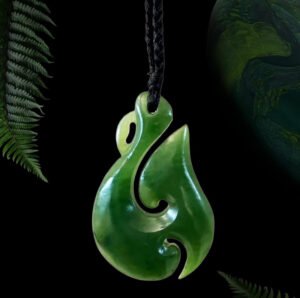
The hei matau with koru is a combination design that brings together two of the most beloved and meaningful pounamu forms. The hei matau (fish hook) speaks to prosperity, strength, and safe travel over water. The koru (spiral) speaks to new life, growth, and the unfolding of fresh potential. Together, they create a design that is richer in meaning than either alone, an expression of both the abundance you seek and the growth you are moving into.
Combination designs in pounamu are not unusual, carvers have long incorporated elements from multiple symbols into single pieces, layering meanings to speak more precisely to a particular person’s story or needs. The hei matau with koru is among the most harmonious of these combinations. (read more: Hei Matau)
The Hei Matau and the Koru: Two Complementary Meanings
At first glance, the fish hook and the spiral might seem like unrelated forms. But they are deeply complementary in meaning. The hei matau is outward-facing, it reaches into the world and brings back abundance. The koru is inward-facing, it begins at a still centre and spirals outward as growth unfolds. Together, they describe both the outer and the inner dimensions of a good life: what we reach for and what grows within us.
In carved form, the koru is often incorporated into the curve of the fish hook itself, sometimes as a decorative element at the tip or tail of the hook, sometimes as the primary shape from which the hook emerges. Each variation creates a slightly different visual emphasis and meaning.
Meaning: Prosperity Combined with Growth
The primary meaning of the hei matau with koru is the combination of abundance and new growth, seeking prosperity while also growing into something new. This makes it a particularly meaningful gift for someone beginning a new chapter in their life with high hopes and genuine ambition. It says: may you find abundance on your journey, and may you grow in the process. (read more: The Koru)
The safe-travel meaning of the hei matau also combines powerfully with the new-beginnings meaning of the koru. Someone embarking on a new venture or physical journey benefits from both: safe passage to get there, and the growth that comes from going.
When to Give a Hei Matau with Koru
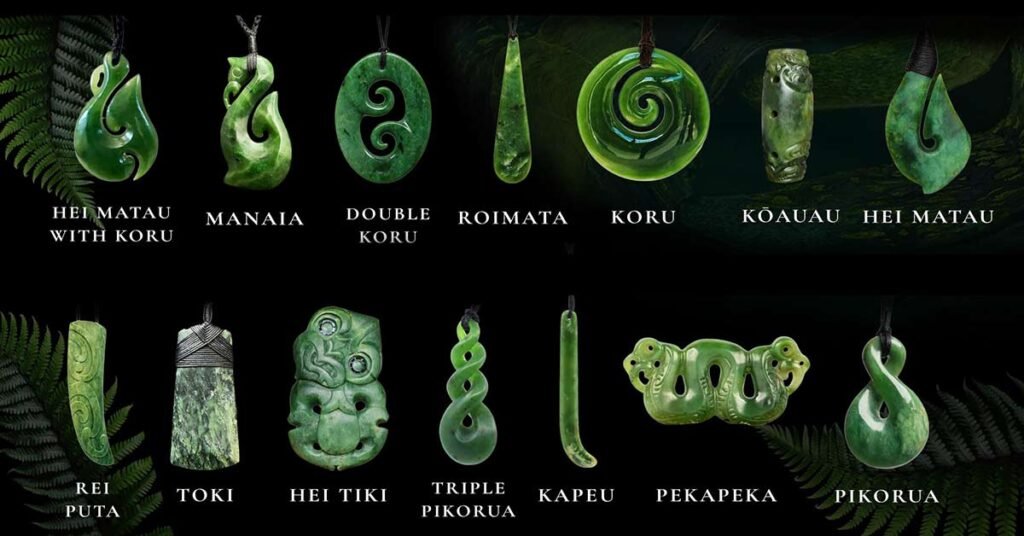
The combined design is especially fitting for: someone starting a new business or career; a graduate entering the working world; someone moving to a new country or city; a person embarking on a significant creative or personal project. In each case, the design captures both the reaching-out (hei matau) and the growing-into (koru) that defines any genuine new beginning.
It is also a meaningful design for someone who has recently overcome a difficult period and is beginning again with renewed hope and purpose. The koru’s message of renewal combined with the hei matau’s message of abundance speaks to the possibility of a genuinely better future ahead.
Carving the Combined Form
The challenge in carving a hei matau with koru is achieving a composition where both elements are clearly readable. The most successful designs use the natural curve of the fish hook as the container within which the koru either emerges or is enclosed, creating a unified form rather than two symbols awkwardly joined. A skilled carver will find the design in the stone as much as impose it. (read more: What Is Pounamu?)
The result, when done well, is a piece that rewards close attention: the more you look, the more you see how the two forms speak to each other, each reinforcing and enriching the other’s meaning.
Pounamu Resources
Explore authentic greenstone carvers, galleries and shops across New Zealand.
Hei Matau with Koru vs. Standard Hei Matau
The standard hei matau is a purer, more focused design, its meaning is direct and unambiguous. The hei matau with koru is more complex, carrying a richer narrative. Which is more appropriate depends on the recipient and the occasion. For someone whose story is primarily about new beginnings and growth, the combined form adds depth that the plain hook cannot offer. (read more: Hei Matau)
Choosing a Hei Matau with Koru
This combined design works well in most pounamu types. Kahurangi (vivid green) highlights the complex form beautifully. Kawakawa (dark green) grounds it. The most important quality is that both elements of the design are clearly expressed in the carving, a piece where the koru feels like an afterthought does not carry the full meaning of the combination. (read more: Types of Pounamu)
A hei matau with koru is among the most layered and thoughtful gifts in pounamu, one that speaks to both the journey and the growth it promises. For the right person at the right moment, it is a deeply fitting tāonga. (read more: Gifting Pounamu)
Frequently Asked Questions About the Hei Matau with Koru
What does the hei matau with koru mean?
The hei matau with koru combines the meaning of the fish hook (prosperity, safe travel, strength) with the spiral (new life, growth, new beginnings). Together they represent abundance and growth — reaching for a good future while growing into something new.
When is the hei matau with koru a good gift?
It is ideal for new beginnings combined with high aspirations — starting a business, beginning a new career, graduating, moving to a new country, or embarking on any significant new chapter. It says: may you find abundance and grow in the process.
How does the koru element appear in a hei matau with koru?
The koru is typically incorporated into the curve of the fish hook — sometimes as a decorative element at the hook’s tip or tail, sometimes as the central shape from which the hook emerges. The best designs integrate both elements into a unified, readable form.
Is the hei matau with koru better than a plain hei matau?
Neither is objectively better — they serve different purposes. The plain hei matau is focused and direct in its meaning. The combined form is richer and more complex, appropriate for someone whose story involves both abundance and new growth. (read more: Hei Matau)
What stone is best for a hei matau with koru?
Kahurangi (vivid green) highlights the complex form beautifully. Kawakawa gives it depth and grounding. Any quality pounamu works, but the clarity of the carving matters most — both elements should be clearly readable. (read more: Types of Pounamu)
Can the hei matau with koru be worn for safe travel?
Yes — the safe-travel meaning of the hei matau carries through the combined design. The addition of the koru enriches this meaning: not just safe passage, but growth and renewal through the journey itself.