
Which Beaches Can You Find Pounamu?
Pounamu—New Zealand’s precious greenstone—is one of the country’s most treasured natural taonga (treasures). But here’s the crucial fact: you won’t find it on every New Zealand beach. Pounamu is exclusively found along the West Coast of the South Island, in a region known as Te Wai Pounamu (‘the waters of pounamu’). This narrow strip of rugged coastline, carved by ancient glaciers and fed by powerful West Coast rivers, is the only place on Earth where this distinctive nephrite jade naturally occurs in collectible quantities. Understanding where pounamu washes up—and why—is essential for anyone wanting to search for this taonga themselves or simply understand the geology and cultural significance behind it.
The West Coast’s dramatic landscape tells the story of pounamu’s journey. High in the Southern Alps, pounamu-bearing rock has been slowly weathered by mountain streams and rivers over millions of years. Pieces break free, tumble downstream through rapids and gorges, and eventually reach the coastal beaches where they mix with ordinary river stones. This natural process means that pounamu continually ‘renews’ on West Coast beaches—new stone arrives with every flood, high tide, and heavy rainfall. For collectors and curious visitors, this constant replenishment offers genuine opportunity, but it also demands patience, knowledge, and respect for both the stone and the iwi (tribe) who hold traditional rights to it.
The Main Pounamu Beaches of the West Coast
Hokitika stands as the most famous and accessible pounamu beach in New Zealand. Located on the West Coast of the South Island, the Hokitika River drains directly from the high country where pounamu-bearing greenstone is abundant. The river’s powerful flow continuously washes stones down to the beach, making Hokitika a genuine hotspot for pounamu collectors. The town itself has embraced its pounamu heritage—local shops, galleries, and the Hokitika Museum celebrate greenstone culture—and the beach welcomes visitors eager to try their hand at stone hunting. The combination of accessibility, consistent supply, and cultural infrastructure makes Hokitika the logical starting point for anyone serious about finding pounamu.
Beyond Hokitika, other significant pounamu beaches stretch further south and north along the coast. Greymouth, at the mouth of the Grey River, is another productive location where pounamu regularly appears after heavy rainfall or high-tide events. Haast, near the border with Otago, sits at the confluence of multiple rivers that drain pounamu-rich mountains, making it another reliable hunting ground. The Milford Sound area and its surrounding coastlines also yield pounamu, though access is more challenging due to remote terrain. Each of these locations has its own character: some beaches are easier to walk, others require more effort to reach, and conditions vary seasonally. Serious collectors often visit multiple beaches across different seasons to maximise their chances of finding quality stones.
(read more: Where Pounamu Is Found)
Why Pounamu Is Found Only on the West Coast
The West Coast’s unique geology is the answer to why pounamu appears nowhere else in New Zealand. Millions of years ago, during the Cretaceous period, nephrite jade formed in the metamorphic rock layers deep beneath what is now the South Island. As tectonic forces uplifted the Southern Alps and the continent shifted, these pounamu-bearing rocks rose toward the surface. Today, they remain concentrated in the high country of the West Coast ranges—specifically in the Southern Alps above the Hokitika, Grey, and Haast river systems. Nowhere else in New Zealand has the right combination of geology, uplift history, and river systems to expose and transport pounamu to accessible beaches.
The West Coast’s rainfall and river dynamics also play a critical role. This region receives some of New Zealand’s heaviest rainfall, which drives powerful glacial rivers that constantly erode mountains and transport material to the coast. The Hokitika River, in particular, acts as nature’s conveyor belt—carrying pounamu pieces from high alpine sources down through spectacular gorges to the sea. On the East Coast or in the North Island, while rivers are present, the underlying rock formations simply don’t contain pounamu. This geographical exclusivity is why Ngāi Tahu, the iwi with mana (authority) over the West Coast, have long held pounamu as a treasured resource integral to their identity and economy. The stone’s rarity and location made it precious in pre-European times, and that status remains unchanged today.
How to Identify Pounamu on the Beach
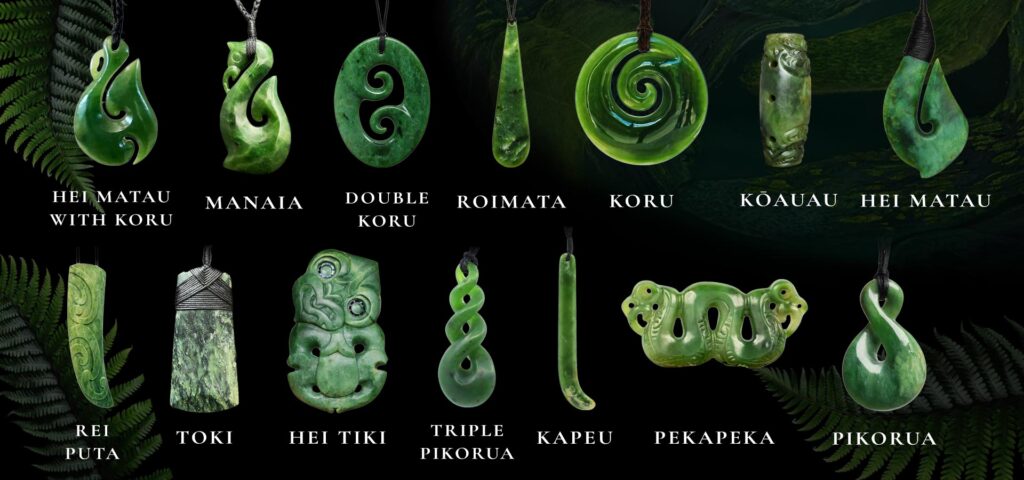
Pounamu on a beach rarely looks as polished or dramatically green as museum pieces or jewellery. Raw stones are often covered in a layer of dust, sand, or weathering, and they blend remarkably well with ordinary river rocks. Learning to spot pounamu requires understanding its distinctive physical properties. The most reliable identifier is the stone’s smooth, waxy surface—even unpolished pounamu has a characteristic feel that differs from quartz or other river stones. When you pick up a piece of pounamu, it feels noticeably cold and dense, often heavier than an ordinary stone of similar size. Hold it up to sunlight: genuine pounamu shows translucency, especially at the edges or when backlit. You’ll see light passing through thin sections, creating a glowing quality that opaque stones like quartz cannot match.
Colour variation offers another important clue. While dark green is the classic pounamu colour, the stone also appears in pale cream, pure white, black (called kahurangi), grey, and spotted or banded patterns. Beginners often expect uniform dark green and miss the pale jade stones that are equally valuable and often more translucent. The best approach is to examine multiple stones along the waterline—compare suspect pieces side by side, testing weight, surface texture, and light transmission. Over time, your eye trains to recognise pounamu instantly. Many successful collectors describe an intuitive ‘feel’ for the stone, almost like a sixth sense developed through patient practice.
(read more: How to Tell if Pounamu Is Real)
The Best Times and Practical Tips for Beach Hunting
Timing significantly affects your chances of finding pounamu. After heavy rainfall, rivers surge with water and material, flushing new stones to the beaches. Similarly, high tide combined with rough seas churns up the beach and exposes fresh pounamu along the waterline. Many collectors plan trips to the West Coast beaches in the days immediately following storms or heavy rain. Check the local weather forecast and tide tables before you go—low tide exposes more beach area, but the waterline (where pounamu concentrates) is most active during tidal transitions and following disturbance.
Practical preparation matters. Wear sturdy, waterproof footwear with good grip—West Coast beaches are often slippery and uneven, with hidden rocks and sudden drops. Bring a small day pack with water, sun protection, and a simple cloth bag for any stones you find. Search methodically along the waterline and in areas where rivers meet the beach, as these are natural collection points. Don’t expect instant success; pounamu hunting requires patience and genuine effort. Many people spend hours finding nothing, while others locate several pieces in a single visit. The variability is part of the appeal—each successful find feels like a small discovery. Respect the beach environment, leave no trace, and remember that all pounamu in the ground legally belongs to Ngāi Tahu, New Zealand’s South Island iwi. For personal, non-commercial collecting, taking small pieces you find on the beach is generally accepted, but commercial collection requires explicit permission.
Pounamu Resources
Explore authentic greenstone carvers, galleries and shops across New Zealand.
Legal and Ethical Considerations for Collectors
Before you venture onto a West Coast beach to search for pounamu, it’s essential to understand the legal and cultural framework governing collection. All pounamu in the ground—meaning stone still embedded in rock or residing in riverbeds—is the legal property of Ngāi Tahu under the Ngāi Tahu Claims Settlement Act 1998. This means you cannot legally extract pounamu from cliff faces, riverbanks, or solid rock formations. However, loose stones found on beaches—stones already separated and lying on the surface—exist in a grey area. The cultural principle is one of respect and proportionality: taking a small handful of stones for personal use, appreciation, or gifting is generally considered acceptable by Ngāi Tahu communities, provided it’s not commercial and it’s done respectfully. Selling pounamu you’ve collected, or collecting large quantities for resale, requires explicit permission and is unlawful without it.
Beyond legality lies the deeper cultural dimension. Pounamu is a taonga—a treasure with spiritual and historical significance to Māori. For Ngāi Tahu, pounamu represents ancestral connection, skill, and mana (prestige). When you collect pounamu, you’re engaging with something far older and more meaningful than a pretty stone. Many collectors approach the beach with intention and gratitude, treating each find as a gift rather than a commodity. Some leave a small offering, spend a moment in reflection, or commit to learning the stone’s cultural history. This mindful approach honours both the taonga and the iwi whose kōrero (stories) and knowledge define what pounamu means. By understanding this context, you collect not just a stone, but a connection to New Zealand’s Māori heritage.
(read more: History of Pounamu)
Whether you’re planning a dedicated trip to Hokitika, passing through Greymouth, or exploring the remote Haast coastline, West Coast pounamu beaches offer a genuine encounter with one of the world’s most remarkable stones. Armed with knowledge of where to look, what to look for, and how to collect respectfully, you’re ready to experience the thrill of finding pounamu yourself.
Frequently Asked Questions About Finding Pounamu on Beaches
What is the best beach to find pounamu in New Zealand?
Is it legal to collect pounamu from the beach?
How do you identify pounamu on a beach?
Look for a smooth, waxy surface that feels noticeably cold and dense compared to ordinary river stones. Hold suspect pieces to sunlight—genuine pounamu shows translucency, especially at the edges. Colours include dark green, pale cream, white, black, and spotted varieties. Examine stones along the waterline and compare multiple pieces to develop an eye for the stone’s distinctive feel and appearance. (read more: How to Tell if Pounamu Is Real)
Why is pounamu only found on the West Coast?
What does raw unpolished pounamu look like?
Raw pounamu is often dusty or weathered in appearance, blending surprisingly well with ordinary river rocks. It has a subtle waxy sheen rather than a glossy finish, and colours range from dark green to pale cream, white, black, and spotted patterns. (read more: Types of Pounamu) When you hold raw pounamu to light, it glows with translucency, and it feels noticeably colder and denser than quartz or other common river stones.