
How to Choose a Pounamu Pendant
Choosing a pounamu pendant is one of those decisions that feels simple on the surface and then quietly becomes something more. Once you understand what pounamu is, where it comes from, and what different carvings mean, the choice starts to carry real weight. The good news is that there is no wrong answer. The right pendant is the one that resonates with you, suits the occasion, and comes from a source you trust.
This guide walks through the key things to consider: stone type, carving style and meaning, size, authenticity, and where to buy. Whether you are choosing pounamu for yourself, as a gift, or as a lasting taonga to pass on, these foundations will help you make a decision you will be proud of for years to come. Read more: What Is Pounamu?
Start With the Stone Type
Pounamu comes in several distinct varieties, each with its own colour, character, and rarity. The four main types are kawakawa (deep green with dark inclusions), kahurangi (rare, pale and translucent), īnanga (soft creamy grey-green, named after the whitebait fish), and tangiwai (bowenite, glassy and aqua-toned, technically a different mineral but culturally grouped with pounamu).
Kawakawa is the most common and widely available. Its rich green colour and natural markings make it the stone most people picture when they think of pounamu. Kahurangi is the most prized, rare, luminous, and commanding a higher price. Īnanga has a quieter, more subtle beauty that many people find deeply appealing. Tangiwai stands apart visually with its translucent, almost glassy quality.
There is no hierarchy of worthiness here, each type has its own cultural associations and aesthetic appeal. Choosing based on what draws you visually is a perfectly good starting point. Read more: Types of Pounamu.
Consider the Carving and Its Meaning
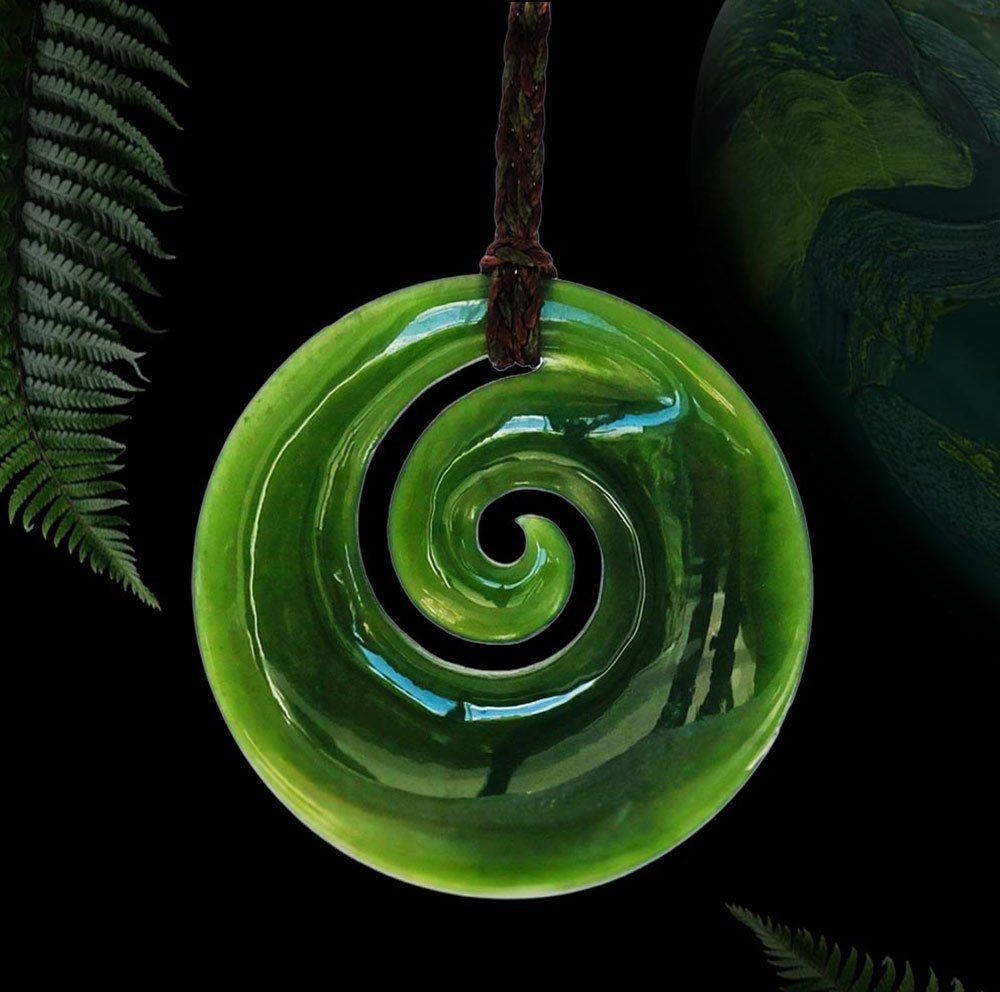
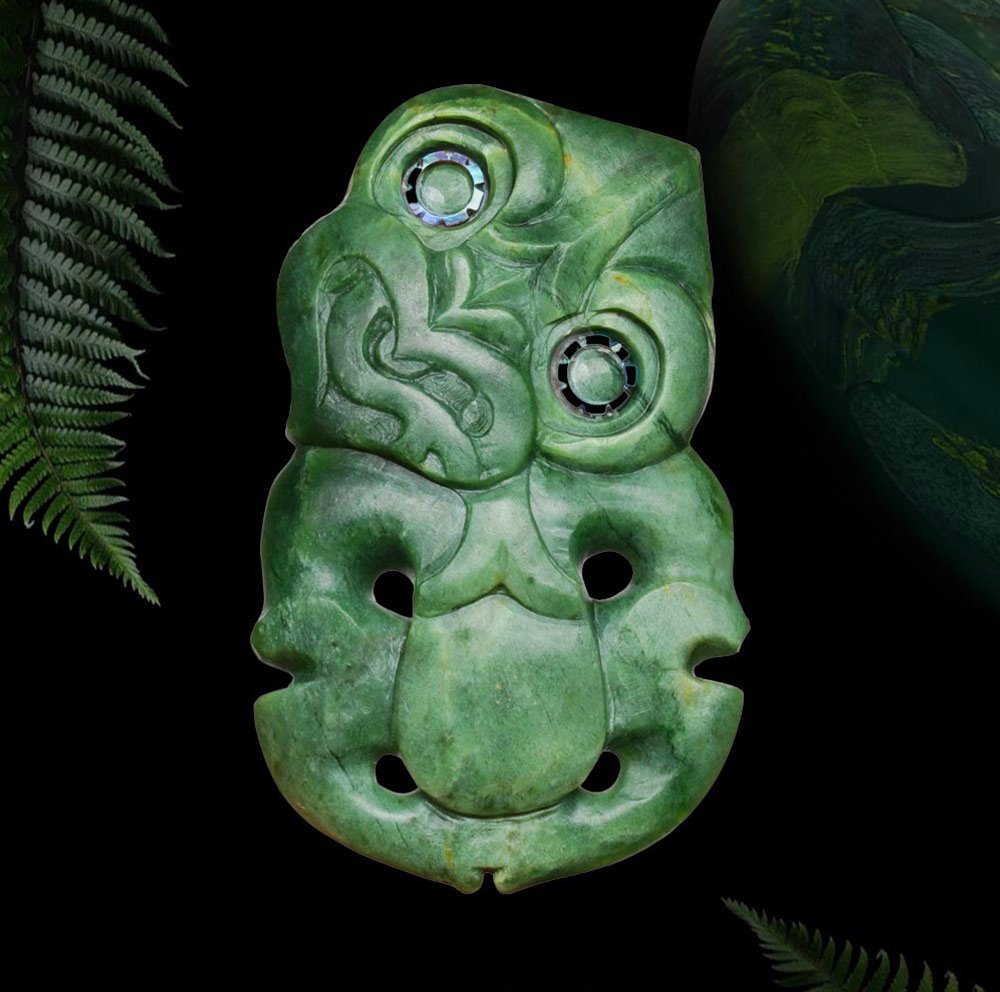
Pounamu pendants are carved into many traditional forms, and each carries its own meaning. The most common designs include the hei tiki (a stylised human figure representing ancestors and fertility), the hei matau (a fish hook symbolising strength, prosperity, and safe travel over water), and the koru (an unfurling fern frond representing new beginnings and growth).
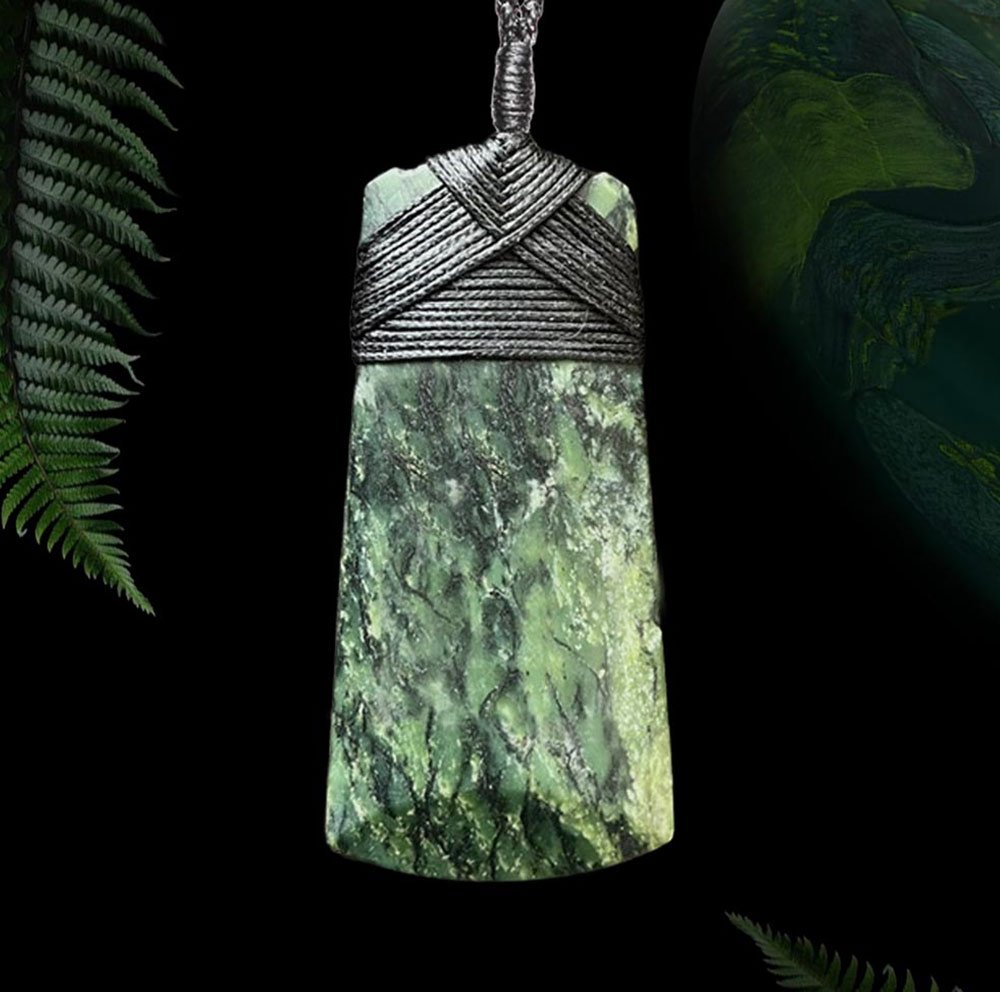
Other popular carvings include the manaia (a spiritual guardian figure), the toki (an adze or chisel shape representing strength and determination), and simple twist forms, or pikorua, that represent the joining of two people or worlds. Some carvers also work in contemporary or abstract styles that draw on traditional forms without replicating them exactly.
Understanding the meaning behind a carving is part of what makes choosing pounamu meaningful rather than decorative. You do not need to choose a design based purely on its symbolism, but knowing what a piece represents adds a layer of connection that tends to deepen over time. Read more: Pounamu Designs and Meanings.

Think About Size and Wearability
Pounamu pendants range from small, delicate pieces worn close to the skin to large statement carvings that become a focal point. The right size depends on how and when you plan to wear it. A smaller pendant in kahurangi or īnanga can feel quietly personal, something worn every day without drawing attention. A larger hei tiki or hei matau in deep kawakawa makes a strong visual statement and is often worn for significant occasions.
Consider also the cord or chain. Traditionally, pounamu is worn on a woven cord, often plaited from natural fibre or fine leather, which keeps it close to the body. Many wearers find that the weight and warmth of pounamu against the skin becomes part of why they love it. A cord that sits at the right length for the size of the piece makes a real difference to how the pendant feels and looks when worn.
If you are buying as a gift, it is worth considering the recipient's personal style. A bold carving suits some people naturally; others are better matched with something quieter. When in doubt, a medium-sized piece in a classic form like the koru or hei matau tends to work well across a wide range of wearers.
Authenticity: What to Look For
Authentic pounamu comes from Te Wai Pounamu, the South Island of New Zealand. Ownership of pounamu occurring in its natural state within the South Island was legally vested in Ngāi Tahu under the Ngāi Tahu (Pounamu Vesting) Act 1997, later reinforced by the wider 1998 Treaty of Waitangi settlement. Genuine New Zealand pounamu is a nephrite jade (or in the case of tangiwai, bowenite), and its quality is immediately apparent in the depth of colour, the translucency, and the smooth, dense feel of the stone.
The market for pounamu-style jewellery includes a significant amount of imported stone, primarily from China or Canada, that is sold as "jade" or even loosely labelled as greenstone without being authentic New Zealand pounamu. Some pieces use plastic or synthetic resin. These are not pounamu and do not carry the same cultural, spiritual, or material value.
When buying, look for clear provenance: where the stone was sourced, who carved it, and whether the seller can speak to its origins. Buying directly from a Māori carver or a reputable New Zealand gallery is the most reliable way to ensure authenticity. Read more: How to Tell if Pounamu Is Real.
Choosing Pounamu as a Gift
Pounamu has a long tradition as a gift, one of the most meaningful you can give in the context of New Zealand culture. Choosing a pendant as a gift asks you to think about the recipient: their personality, their connection to New Zealand, and what you hope the piece will represent in your relationship with them.
For a new beginning, a graduation, a move, a new chapter, the koru is a natural choice. For someone who spends time on or near water, the hei matau carries particular resonance. For a relationship of lasting significance, a pikorua twist form speaks to connection and partnership. The hei tiki is a powerful choice for someone you want to offer protection and ancestral strength.
If you are able to have the piece blessed by the carver before gifting it, that adds another layer of meaning that the recipient is likely to value deeply, especially if they are aware of Māori tradition. Read more: How Pounamu Is Blessed.
Where to Buy Pounamu
The best place to buy pounamu is directly from a Māori carver or a gallery that works exclusively with New Zealand-sourced stone and can speak clearly to provenance. Many carvers sell online as well as from studios and galleries on the West Coast and throughout New Zealand. Buying directly supports the people and communities whose culture pounamu comes from, and gives you the opportunity to ask questions about the stone and the carving.
Reputable New Zealand galleries, particularly those on the South Island, are another reliable source. They typically stock work from multiple carvers, giving you a wider range to choose from while still guaranteeing authenticity. Be cautious of generic souvenir shops, online marketplaces with vague provenance, or any retailer unable to confirm where the stone came from.
Price is also a reasonable guide. Authentic, hand-carved New Zealand pounamu in quality stone is not cheap. If a pendant seems very inexpensive for what it claims to be, it is worth asking why. Good pounamu reflects the rarity of the stone, the skill of the carver, and the cultural significance of the object, and its price tends to reflect that honestly.
Trust What Resonates
Beyond the practical considerations, there is something to be said for the moment of recognition that often happens when the right piece of pounamu finds you. Many people describe a strong intuitive response to a particular stone or carving, a sense that it was made for them, or that they were drawn to it before they fully understood why.
Māori tradition holds that pounamu chooses its wearer as much as the wearer chooses it. Whether you hold that belief literally or take it as a poetic truth, it points to something real: the best pendant is the one you feel a genuine connection to, not simply the most expensive or the most technically impressive.
Take your time, ask questions, learn what you can about the stone and its origins, and choose with intention. That care is itself a form of respect, and it is the foundation of a relationship with pounamu that will only deepen over the years. Read more: Pounamu vs. Jade vs. Greenstone.
Frequently Asked Questions: Choosing a Pounamu Pendant
Start by considering the stone type that appeals to you visually, then think about carving meaning and how the pendant will be worn. Kawakawa suits those drawn to deep, classic green; kahurangi appeals to those wanting something rare and luminous. For carving, choose a design whose meaning resonates with your situation or the occasion. Read more: Pounamu Designs and Meanings.
The hei tiki and koru are among the most popular and widely recognised designs, though the hei matau is also a common choice, particularly for those with a connection to travel or water.
Clear provenance is the key sign, know where the stone was sourced and who carved it. See our full guide: How to Tell if Pounamu Is Real.
Either can work, provided the seller can confirm genuine New Zealand origin and provenance. Buying directly from a New Zealand carver or gallery, in person or online, is generally more reliable than a generic marketplace listing.
This comes down to personal style and how you plan to wear it: smaller pieces suit everyday wear, while larger carvings make a stronger statement for special occasions.
The carving carries the primary symbolic meaning, but stone type adds its own character: kawakawa feels grounded and classic, kahurangi feels rare and luminous, adding a further layer of personal resonance to the piece.