
Pounamu vs. Jade vs. Greenstone: What’s the Difference?
The terms pounamu, jade, and greenstone are often used interchangeably — but they do not all mean the same thing. Understanding the differences matters, both for cultural accuracy and for making sure you are buying what you think you are buying.
Each term comes from a different context: one is a Māori name with deep cultural significance, one is a broad mineralogical category, and one is a popular but loosely used common name. Knowing how they relate helps you navigate conversations about these stones with clarity and confidence.
What Is Jade?
Jade is a broad mineralogical term that refers to two distinct minerals: nephrite and jadeite. Despite looking similar, they are geologically different stones with different compositions, hardness, and origins.
Nephrite is the more common of the two. It is found in New Zealand, Canada, Russia, China, and several other countries. It is exceptionally tough — one of the hardest natural stones — and ranges in colour from deep green to pale cream. Jadeite is rarer, found mainly in Myanmar, and is known for its vivid greens and translucency. The finest jadeite is referred to as “imperial jade.”
When people say “jade”, they may mean either mineral — or they may simply mean any green stone that resembles jade. The term is used loosely in commerce, which is part of why confusion arises.
What Is Pounamu?
Pounamu is nephrite jade — but not all nephrite jade is pounamu. Pounamu refers specifically to nephrite (and the related stone tangiwai) that is found in Aotearoa New Zealand, and more importantly, it carries deep cultural significance within Māori tradition.
In Māori culture, pounamu is a taonga — a treasure. It is associated with mana, whakapapa, and the relationships between people and the land. Under the Ngāi Tahu Claims Settlement Act 1998, ownership of all pounamu in the ground is vested in Ngāi Tahu, the iwi with mana whenua over the South Island. This gives pounamu a legal and cultural status that no other jade in the world carries.
A piece of nephrite from British Columbia may be mineralogically identical to a piece of New Zealand pounamu — but it is not pounamu. The word is not just a description of the stone; it describes the stone’s place, people, and meaning.
What Is Greenstone?
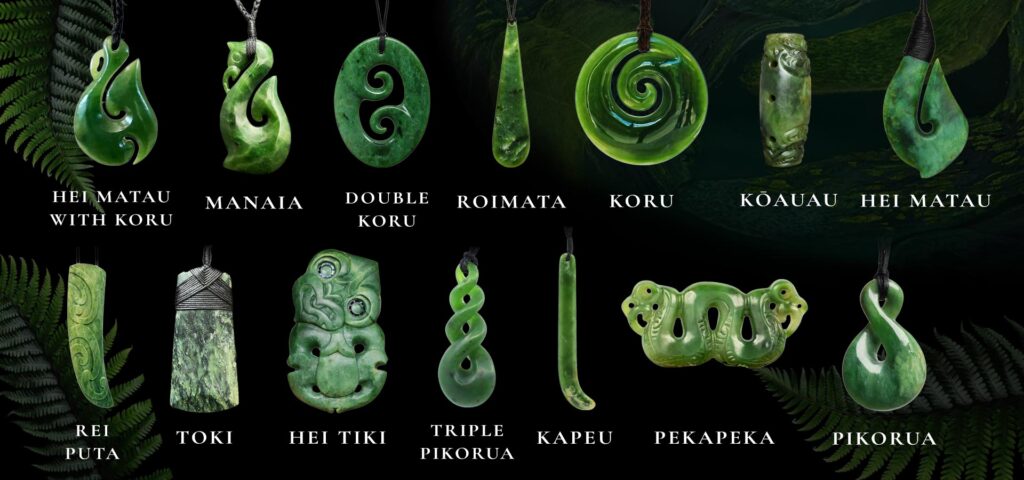
Greenstone is a popular common name used in New Zealand for pounamu. It is not a mineralogical term — it is simply a descriptive English name that became widely used alongside the Māori word. In the New Zealand context, greenstone and pounamu refer to the same thing.
Outside New Zealand, “greenstone” may be used to describe a variety of green-coloured stones, including aventurine, serpentine, or generic green minerals. If you encounter “greenstone” in an international retail context without a New Zealand connection, it may not be referring to pounamu at all.
How the Three Terms Relate
The simplest way to understand the relationship:
- Jade is the broad category — it includes nephrite and jadeite from anywhere in the world
- Pounamu is a specific subset — nephrite (and tangiwai) from New Zealand, with Māori cultural significance
- Greenstone is the everyday English name for pounamu in New Zealand — used locally to mean the same thing
All pounamu is jade (specifically nephrite), but not all jade is pounamu. All New Zealand greenstone is pounamu, but not all greenstone internationally is pounamu.
Why the Distinction Matters When Buying
Because pounamu has cultural and legal status in New Zealand, stone marketed as pounamu that originates from Canada, China, or elsewhere is misleading at best and dishonest at worst. The mineral composition may be the same, but the cultural meaning and provenance are entirely different.
When purchasing, always ask where the stone was sourced. Reputable carvers and galleries will confirm New Zealand origin and their connection to Ngāi Tahu. If a seller cannot confirm provenance, treat the claim with caution.
Pounamu Resources
Explore authentic greenstone carvers, galleries and shops across New Zealand.
What About Fake Pounamu?
Because pounamu is valuable, it is widely imitated. Common substitutes include:
- Glass — heavier than it looks, often too perfect in colour and translucency
- Resin or plastic — lighter, warm to touch, may have bubbles under magnification
- Serpentine — a softer green stone sometimes sold as jade or greenstone
- Canadian or Chinese nephrite — mineralogically similar but not pounamu
A genuine piece of pounamu feels cold and dense, is harder than glass, and will not scratch easily. Buying from a New Zealand carver or reputable gallery with a clear provenance statement is the most reliable protection against imitations.
A Note on Cultural Respect
Pounamu is more than a stone or a product. It carries centuries of Māori history, relationships, and meaning. Using the word “pounamu” to describe jade of non-New Zealand origin is not just technically incorrect — it diminishes that meaning and undermines the cultural and legal framework that protects it.
Whether you are buying a piece for yourself, receiving one as a gift, or simply learning about these stones, understanding the difference between pounamu, jade, and greenstone is a first step toward genuine appreciation.
Frequently Asked Questions: Pounamu, Jade and Greenstone
Is pounamu the same as jade?
Pounamu is a type of jade — specifically nephrite jade found in New Zealand. However, not all jade is pounamu. Jade is a broad term covering nephrite and jadeite from countries around the world. Pounamu refers only to New Zealand nephrite (and tangiwai) and carries specific cultural significance within Māori tradition that jade from other countries does not share.
Is greenstone the same as pounamu?
In the New Zealand context, yes — greenstone is simply the common English name for pounamu. The two terms are used interchangeably within New Zealand. Outside New Zealand, however, “greenstone” may be used loosely to describe other green minerals, so the New Zealand context matters.
What is the difference between nephrite and jadeite?
Nephrite and jadeite are two different minerals both called jade. Nephrite is tougher and more common, found in New Zealand, Canada, Russia, and China. Jadeite is rarer and typically more translucent, found mainly in Myanmar. Pounamu is nephrite — it is not jadeite. The vivid “imperial jade” seen in Chinese jewellery is usually jadeite.
Can jade from Canada or China be called pounamu?
No. Pounamu is specifically New Zealand nephrite, and the term carries legal and cultural weight under the Ngāi Tahu Claims Settlement Act 1998. Stone from Canada, China, or anywhere else — even if mineralogically identical — is not pounamu. Selling non-New Zealand stone as pounamu is culturally disrespectful and misleading to buyers.
Why does it matter whether something is called pounamu or jade?
Pounamu is a taonga — a cultural treasure — with deep significance in Māori tradition and legal protections under New Zealand law. Using the word pounamu for stone that is not from New Zealand misrepresents both the product and its cultural meaning. For buyers, it also means paying a premium for something that is not what it claims to be.
How can I tell if greenstone is authentic New Zealand pounamu?
The most reliable way is to buy from a reputable New Zealand carver or gallery that can confirm the stone’s New Zealand origin and their connection to Ngāi Tahu. Genuine pounamu feels cold and dense, is extremely hard, and will not scratch easily. When in doubt, ask for provenance information before purchasing.