
How to Tell if Pounamu Is Real?
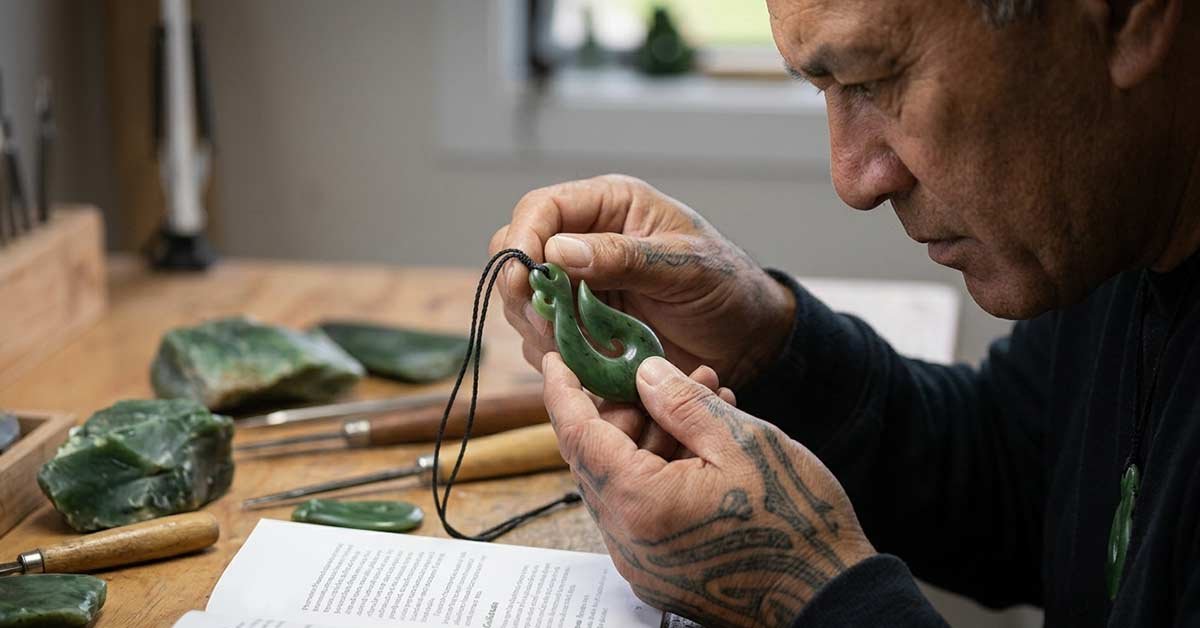
Pounamu, also known as New Zealand greenstone, is valued for its cultural significance, durability, and natural beauty. Because authentic pounamu is highly sought after, imitation stones and other types of jade are sometimes sold as genuine greenstone.
If you are unsure whether a piece is real, there are several characteristics that can help you identify authentic pounamu. These include the stone's weight, texture, colour depth, and hardness. While some tests can help you recognise genuine greenstone, the best confirmation often comes from understanding where the stone comes from and who carved it. This guide explains practical ways to identify real pounamu and avoid common imitations.
What Is Real Pounamu?
Pounamu refers to a group of hard, durable stones traditionally found in the South Island of New Zealand. Most commonly it refers to nephrite jade, although related stones such as bowenite are also considered pounamu in Māori tradition.
Authentic pounamu forms naturally under intense pressure over millions of years. This process gives the stone its distinctive strength, smooth texture, and subtle variations in colour. Shades can range from deep green and olive to lighter translucent tones depending on the type of stone.
Because of its cultural importance, pounamu is treated as a taonga in Māori culture and is often carved into meaningful designs such as the koru, toki, and pikorua.
Common Stones Mistaken for Pounamu
Several stones are commonly mistaken for pounamu. Some are natural minerals, while others are manufactured materials made to imitate jade.
Common look-alikes include:
- Serpentine
- Glass jade
- Dyed quartz
- Other jade varieties, such as jadeite
These stones can sometimes appear similar at first glance, especially when polished. However, they often lack the density, strength, and natural depth of colour that genuine pounamu has. Understanding the differences between these materials is one of the easiest ways to avoid buying imitation pieces.
How to Tell if Pounamu Is Real
Although laboratory testing is the only way to guarantee authenticity, there are several practical observations that can help you identify genuine pounamu.
Weight and Density
Real pounamu is dense and slightly heavier than many stones of similar size. When you hold a genuine piece, it often feels solid and substantial rather than light or hollow. Imitation stones made from glass or resin are typically lighter and lack this natural density.
Surface Texture
When polished, authentic pounamu has a very smooth, almost silky surface. However, the stone still retains a subtle natural texture beneath the polish. Synthetic materials often feel overly glossy or glass-like, without the depth and natural variation seen in real greenstone.
Colour Depth
Genuine pounamu usually shows depth within the stone. Colours may appear layered or slightly cloudy when viewed in natural light. Common shades include:
- Deep forest green
- Olive green
- Lighter translucent greens
These variations reflect the natural mineral structure of the stone.
Hardness and Durability
Pounamu is extremely tough and resistant to scratching. Historically it was used for tools and weapons because of its durability. While you should never attempt to scratch a finished carving, genuine pounamu is significantly harder than most imitation materials.
Temperature Feel
Real pounamu often feels cool to the touch when first picked up. Because the stone is dense, it retains cool temperatures longer than glass or resin imitations. After being worn for a while, the stone gradually warms to body temperature.
Real Pounamu vs. Imitations at a Glance
| Feature | Real Pounamu | Fake or Imitation |
|---|---|---|
| Weight | Dense and solid for its size | Often lighter |
| Surface | Smooth with natural texture | Very glossy or glass-like |
| Colour | Deep green with natural variation | Flat or overly bright colour |
| Hardness | Extremely tough and durable | Scratches more easily |
| Temperature | Feels cool when first touched | Warms quickly |
The Ngāi Tahu Pounamu Authentication Scheme
Beyond checking a stone's physical properties, there is a real, formal authentication system worth knowing about. Since around 2010, Ngāi Tahu Pounamu has run a licensing and traceability scheme created specifically to address imported jade being sold as genuine New Zealand greenstone.
Licensed carvers and retailers can display a registered mark of authenticity alongside a unique traceability code. Entering that code on the scheme's own website reveals the stone's origin and extraction, and the artist who carved it. You can look this up directly at ngaitahupounamu.com.

Buying With Confidence
It's worth being clear about what this scheme is and isn't. It's a genuine, useful signal, but it isn't universal, and its absence doesn't mean a piece is fake. Many small, independent carvers work entirely outside this particular licensing programme while still carving genuine, legally sourced New Zealand pounamu. Being licensed involves cost and process that not every legitimate artisan chooses to take on, especially smaller operations selling directly or through their own galleries.
In practice, this means the trademark and traceability code are a strong positive sign when present, but their absence is not itself a red flag. The most reliable approach either way is the same one long practised before the scheme existed: ask the carver or seller directly where the stone was sourced and who made the piece. A reputable carver or gallery, licensed or not, will answer this readily.
Many visitors choose to buy directly from workshops or galleries in regions where pounamu carving has a long history, such as the West Coast of the South Island.
Frequently Asked Questions About Pounamu Authenticity
Yes, especially glass, resin, or dyed quartz when well polished. Convincing imitations exist, which is why checking weight, temperature, and hardness matters alongside buying from a source that can confirm the stone's origin.
No. Genuine pounamu is extremely tough and resistant to scratching, historically prized for exactly this durability in tools and weapons. Most imitation materials scratch far more easily by comparison.
Check the stone's weight (genuine pounamu feels dense for its size), its temperature (it should feel cool to the touch at first), and its surface (smooth but not glassy or overly glossy). No single check is conclusive on its own, but together they're a useful first indication.
No. The Ngāi Tahu Pounamu authentication scheme is a genuine, useful signal when present, but it isn't the only way pounamu is legitimately sold. Many independent carvers work outside this specific licensing programme while still using authentic, legally sourced New Zealand stone, so its absence doesn't mean a piece is fake.
No. Only nephrite jade (and the related stone tangiwai) found in New Zealand, carrying Māori cultural significance, is pounamu. Jade found elsewhere in the world, even if mineralogically similar, is not.
Since physical checks and even the Ngāi Tahu authentication scheme both have limits, the most reliable method is buying from a carver or gallery who can tell you exactly where the stone was sourced and who carved it. A reputable seller, licensed or not, will answer this readily.