Pounamu is often shaped into symbolic forms that carry meaning beyond their appearance. These traditional pounamu designs and symbols are rooted in Māori culture and tradition, with each shape representing values such as strength, connection, guidance, and growth. Like for example Toki, Koru or Pikorua.
While certain pounamu shapes and meanings are commonly recognised, interpretation can vary between iwi, carvers, and individuals. Because of this, pounamu design meanings are best understood as guiding themes rather than fixed definitions.
Traditionally, pounamu was carved not only for beauty but also for purpose. Specific pounamu carving designs were chosen based on the wearer, the occasion, or the qualities the piece was intended to represent.
Over time, pounamu carvings often gain personal significance, shaped by the experiences of the wearer. This evolving meaning is one reason why pounamu is considered a taonga and is often passed down through generations.
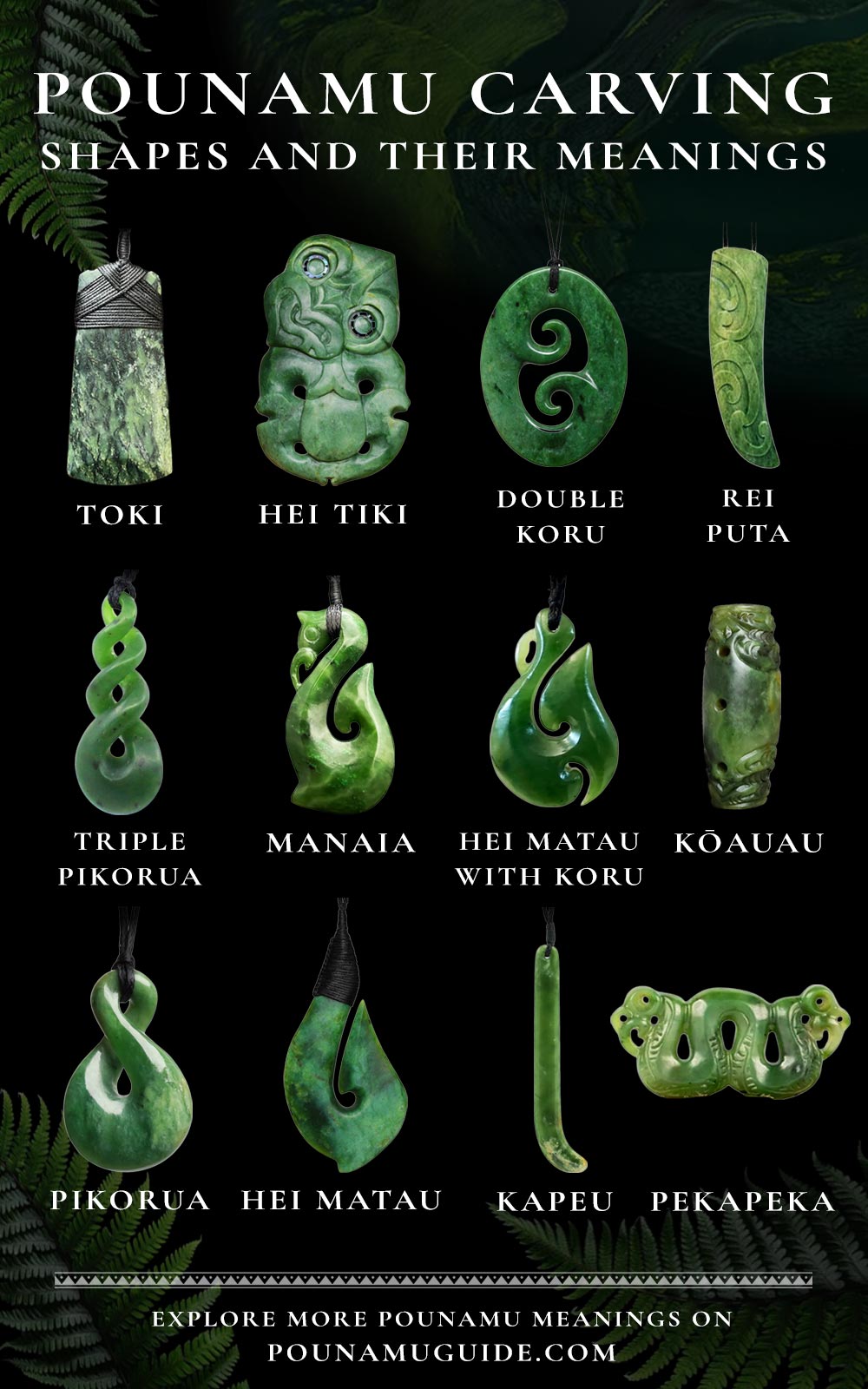
Pounamu carvings carry deep symbolic meaning in Māori culture. Below is a quick overview of some of the most recognised pounamu shapes and what they traditionally represent.
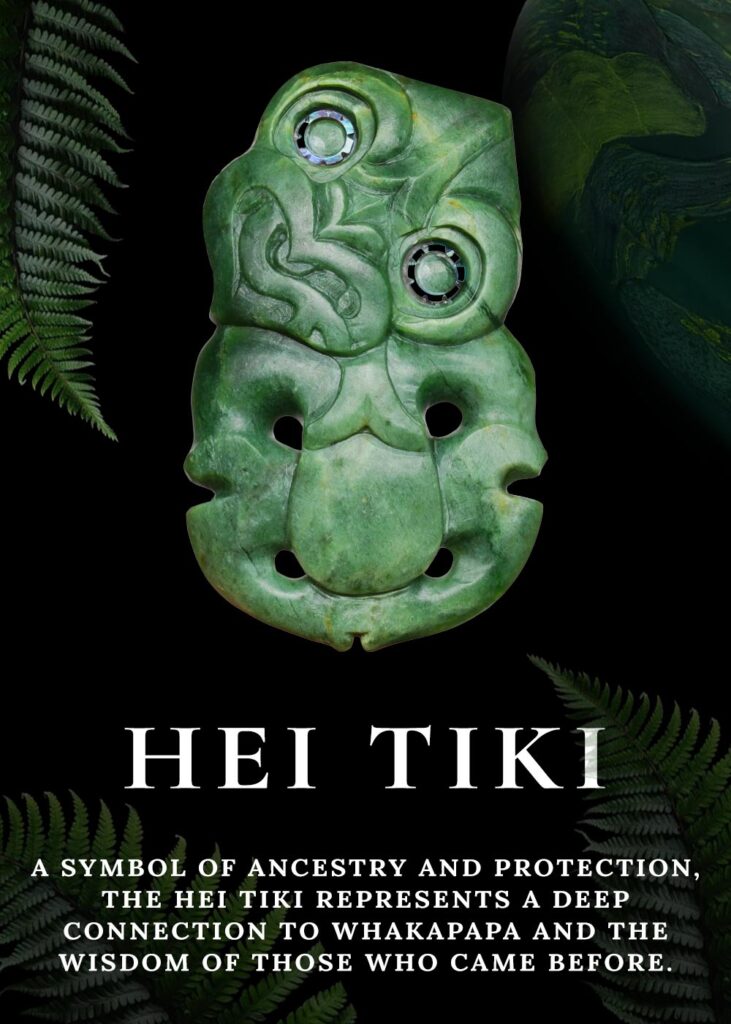
Hei Tiki
Represents ancestors, fertility, wisdom, and protection.
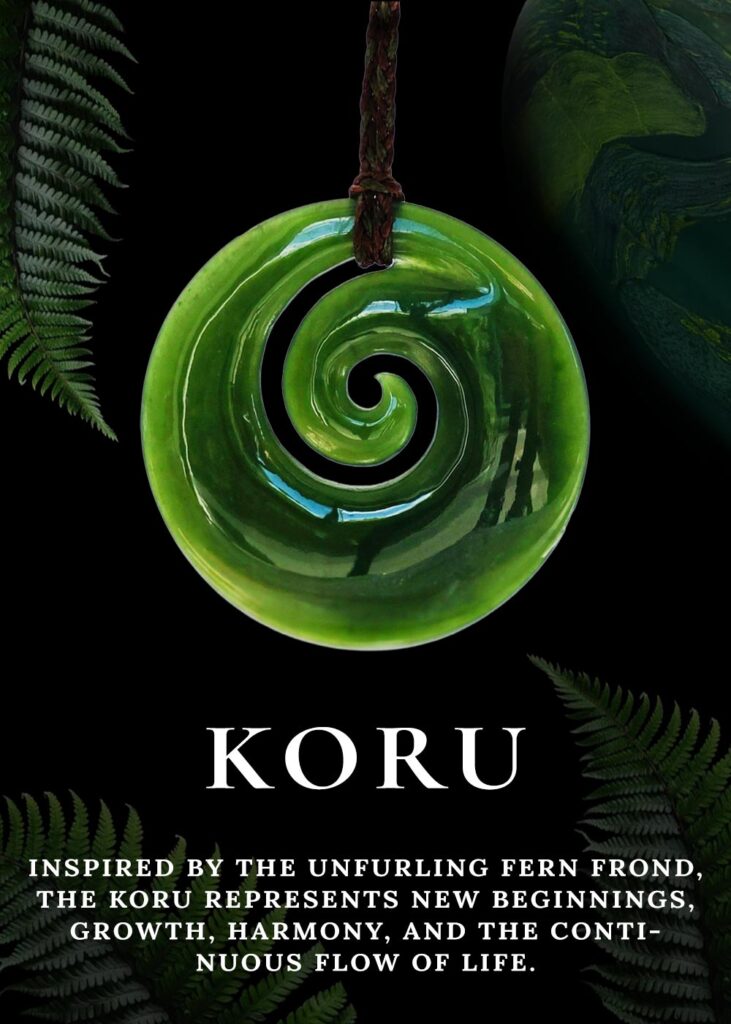
Koru
Symbol of new beginnings, growth, and harmony.
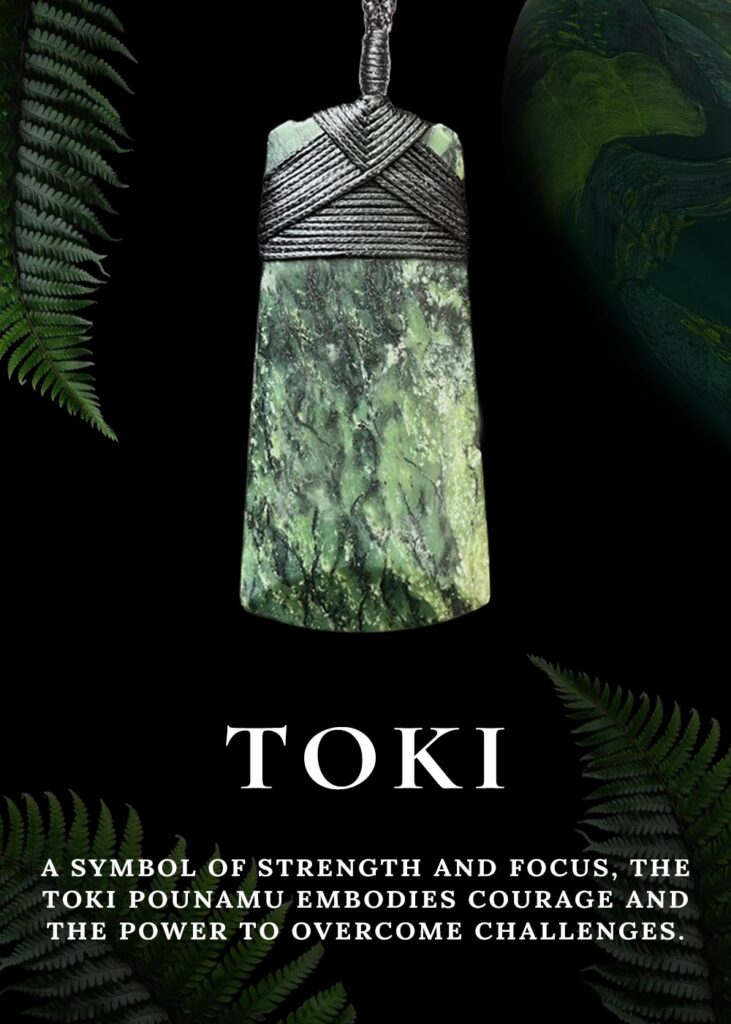
Toki
Represents strength, courage, leadership, and determination.
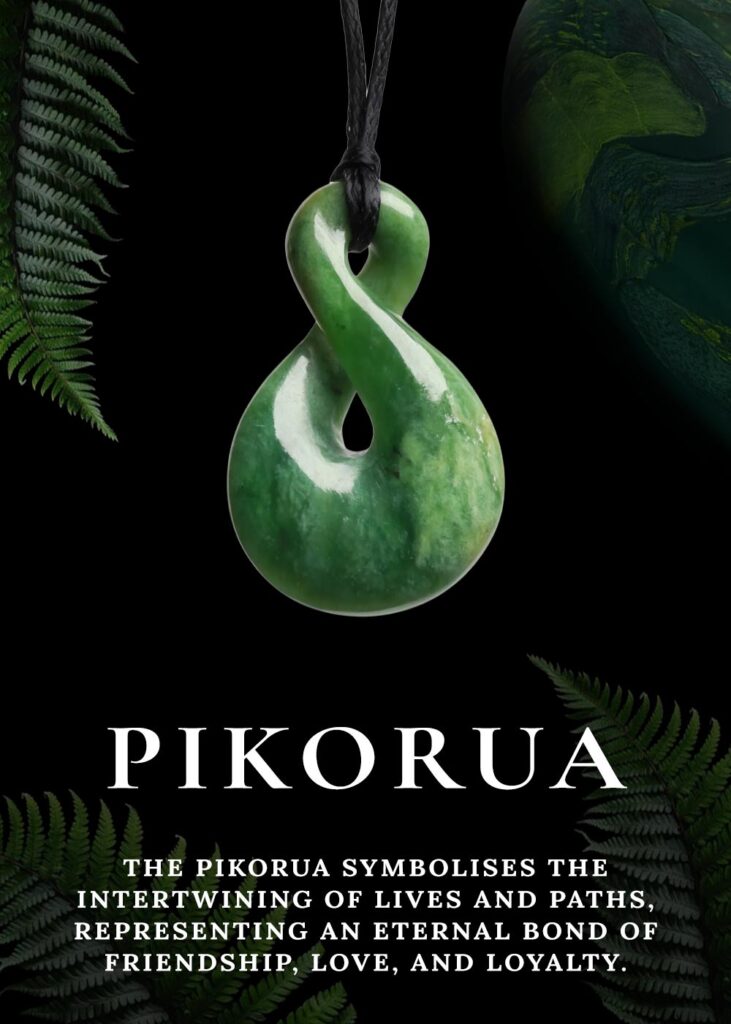
Pikorua
The twist symbolises the bond between people and the journey of life.
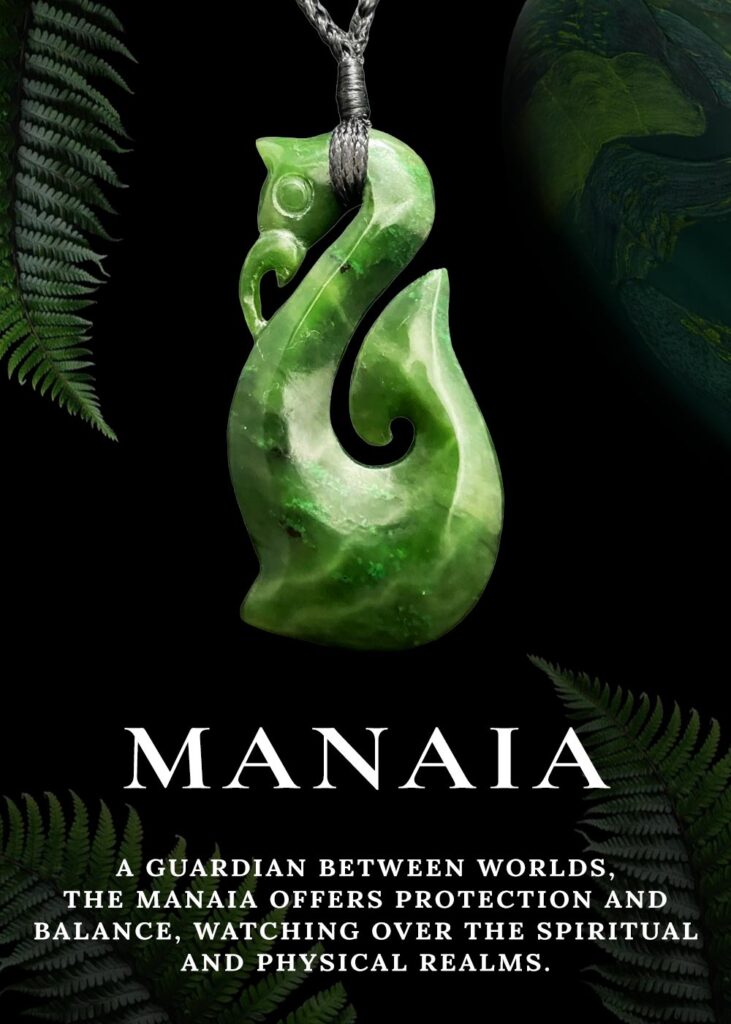
Manaia
A spiritual guardian that protects the wearer from harm.
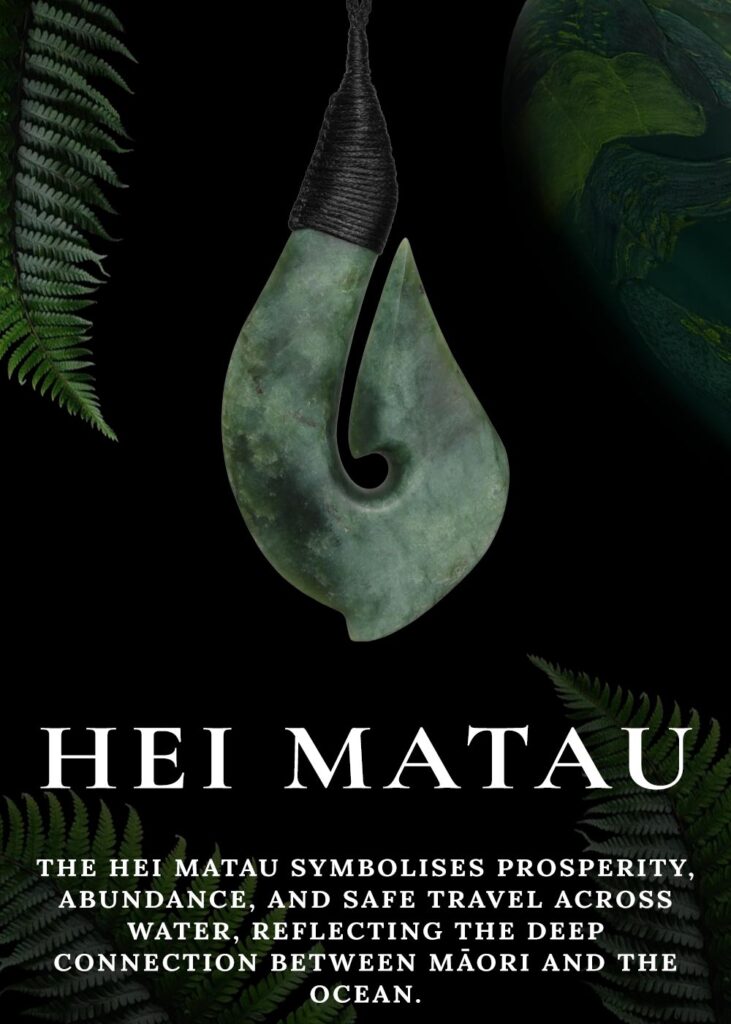
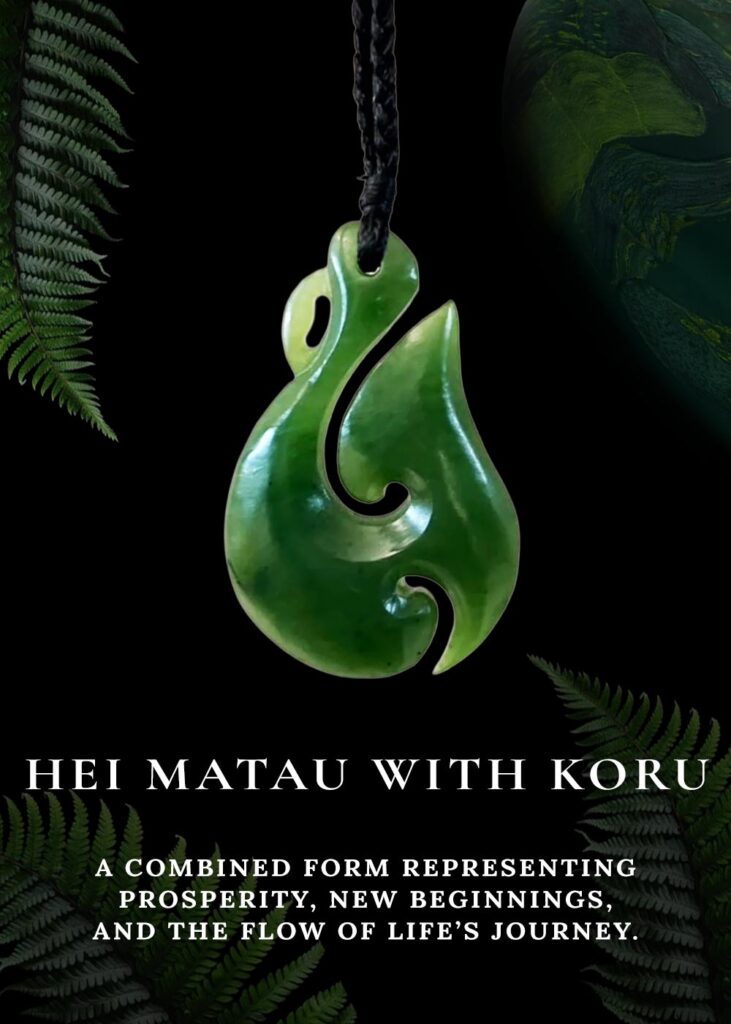
Hei Matau
Symbol of safe travel, prosperity, and strength.
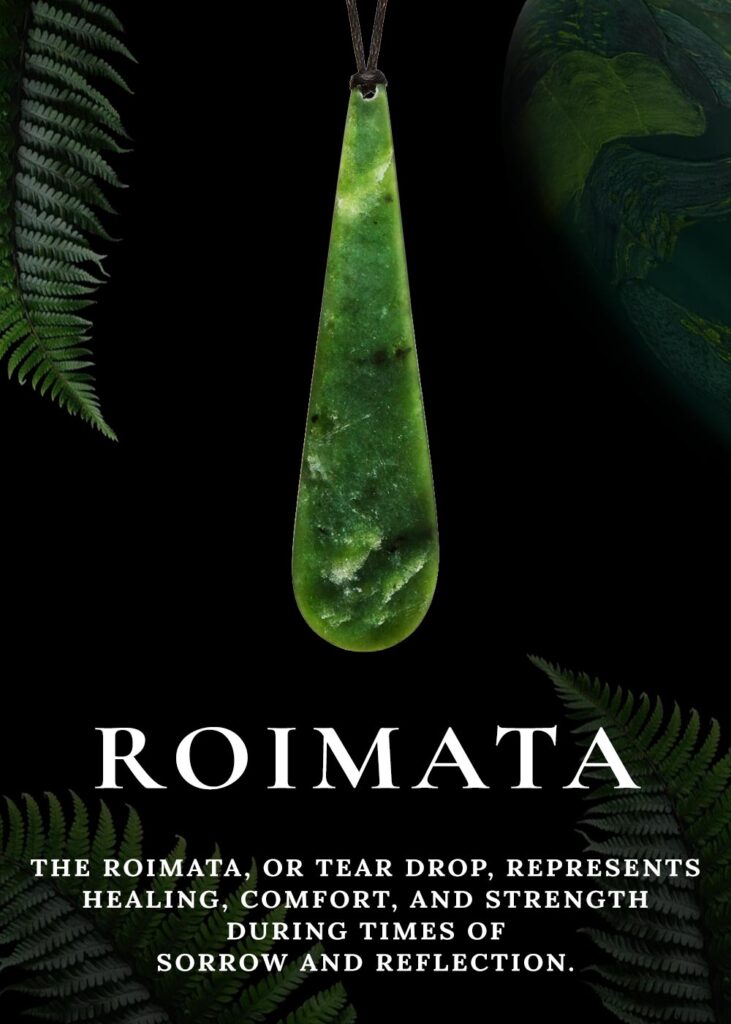
Roimata
Teardrop shape symbolising healing, comfort, and emotional strength.
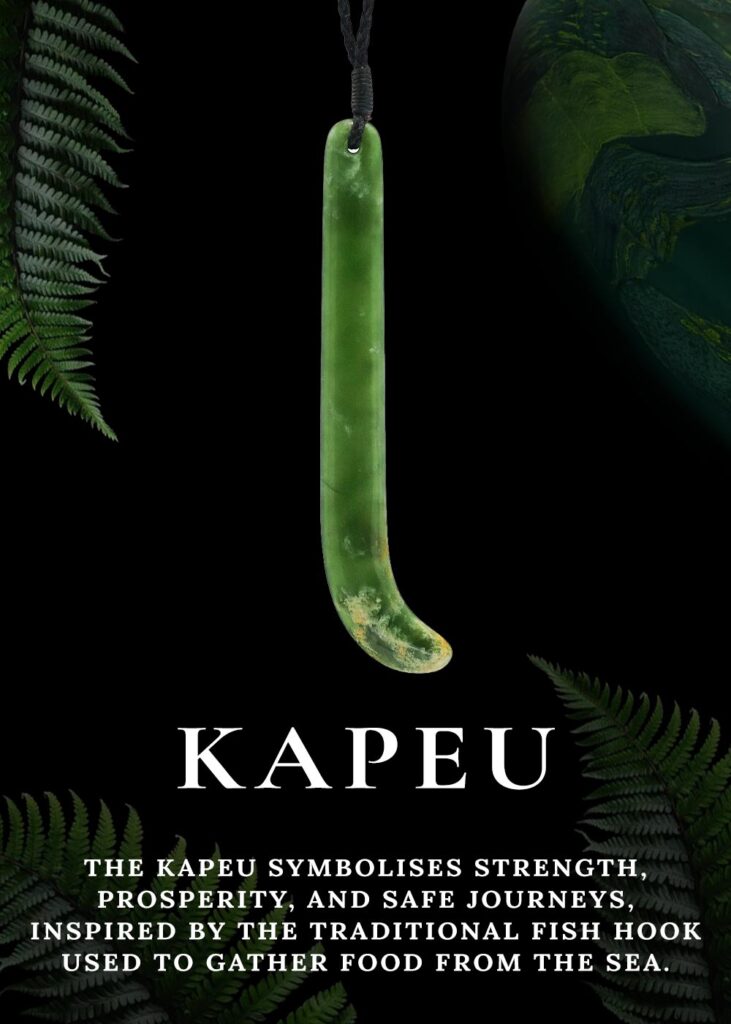
Kapeu
Represents balance, protection, and the strength of tradition.
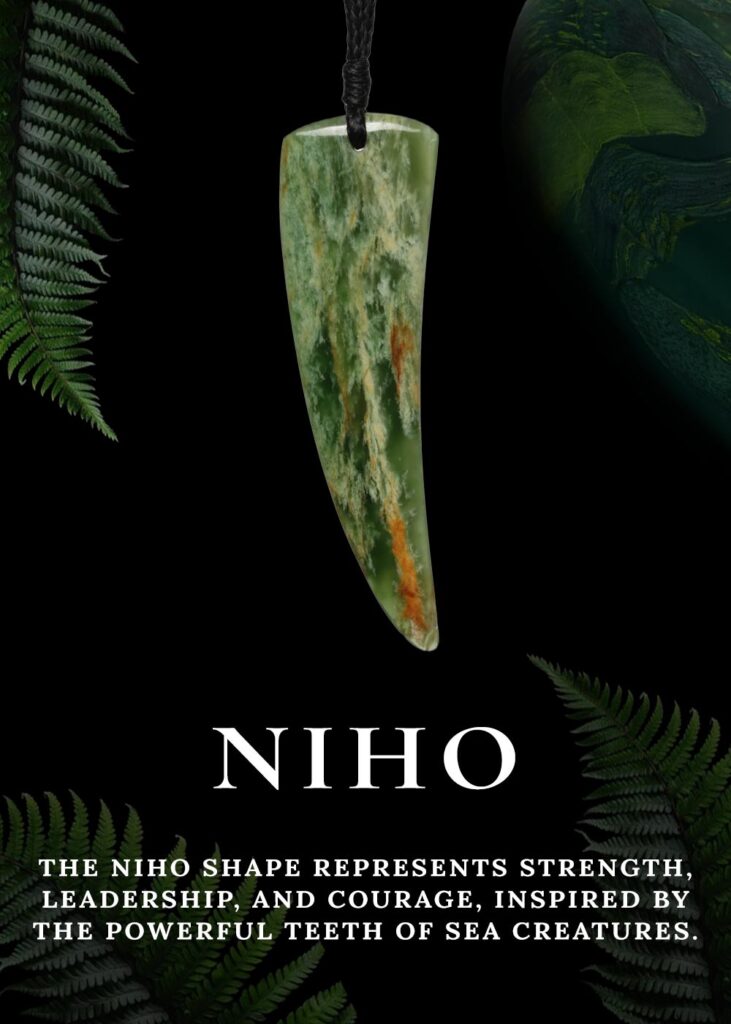
Niho
Inspired by shark teeth, symbolising strength, protection, and resilience.
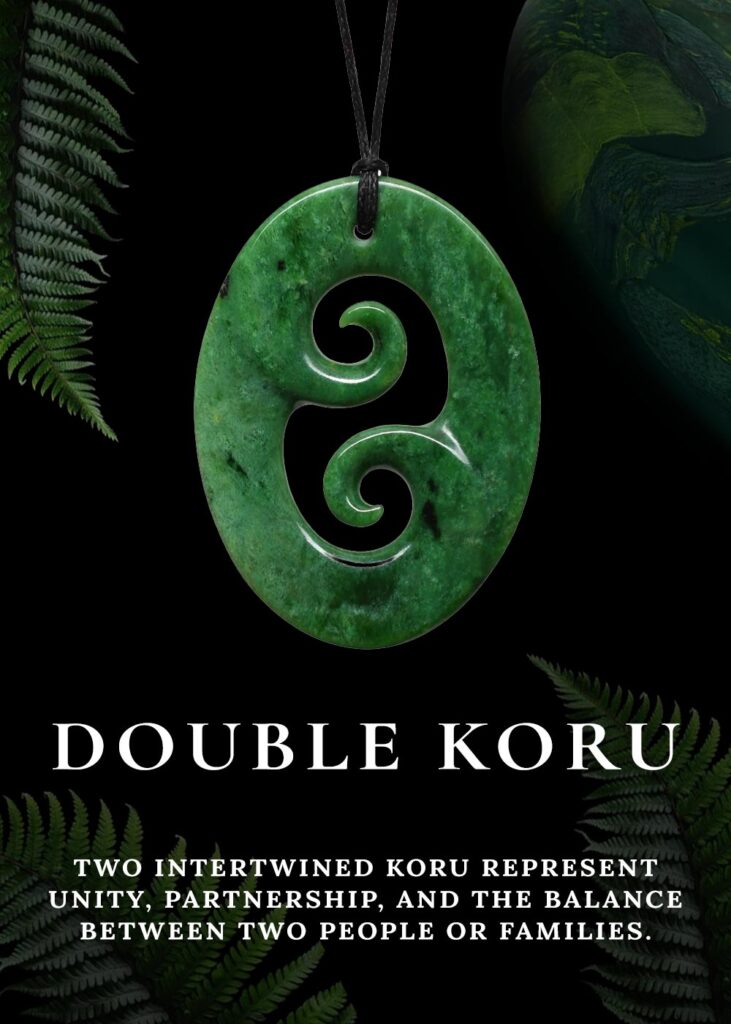
Double Koru
Represents the relationship between two people growing together.
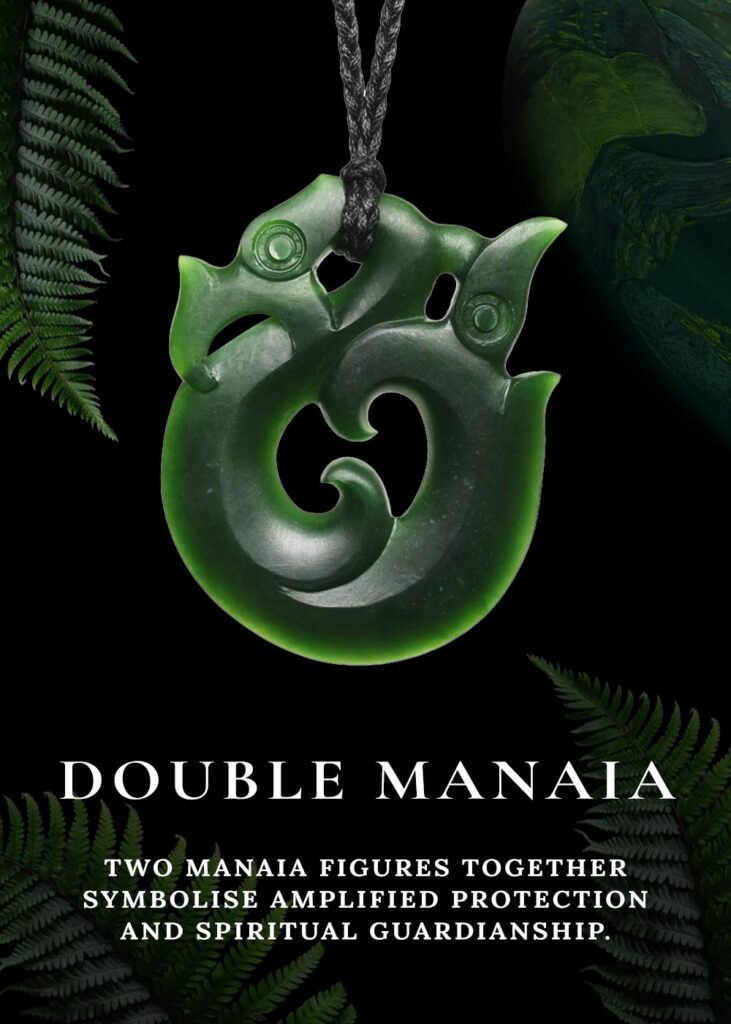
Double Manaia
Two guardian figures representing strengthened spiritual protection.
Hei Matau with Koru
Combines prosperity and safe journeys with growth and renewal.
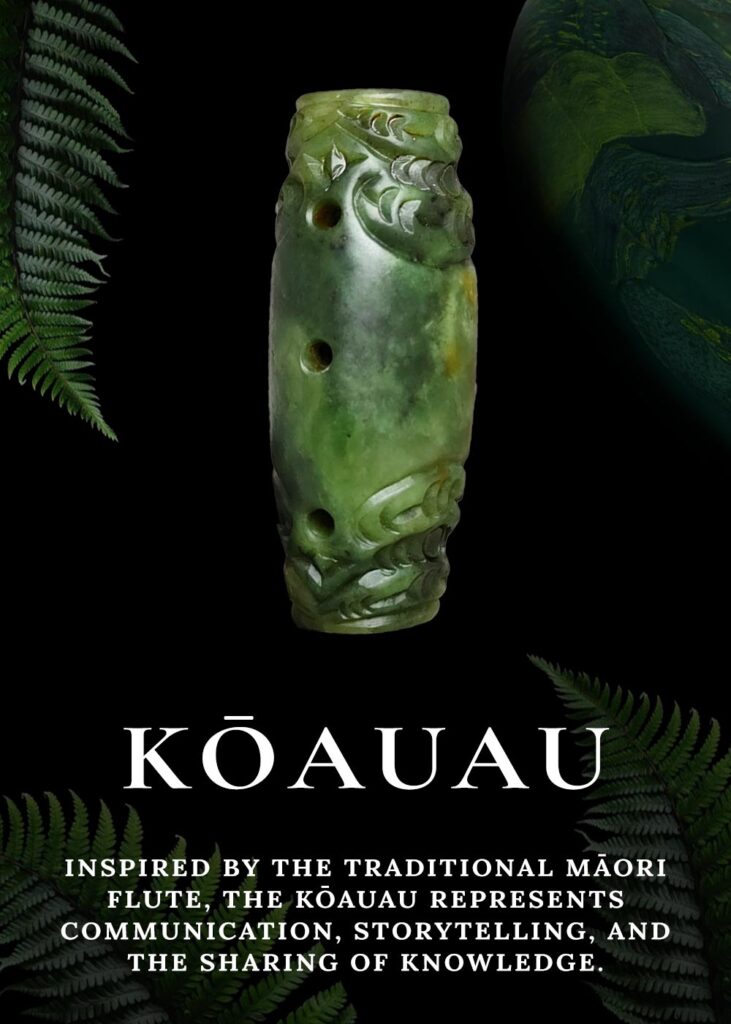
Koauau
Inspired by the traditional Māori flute, symbolising harmony and storytelling.
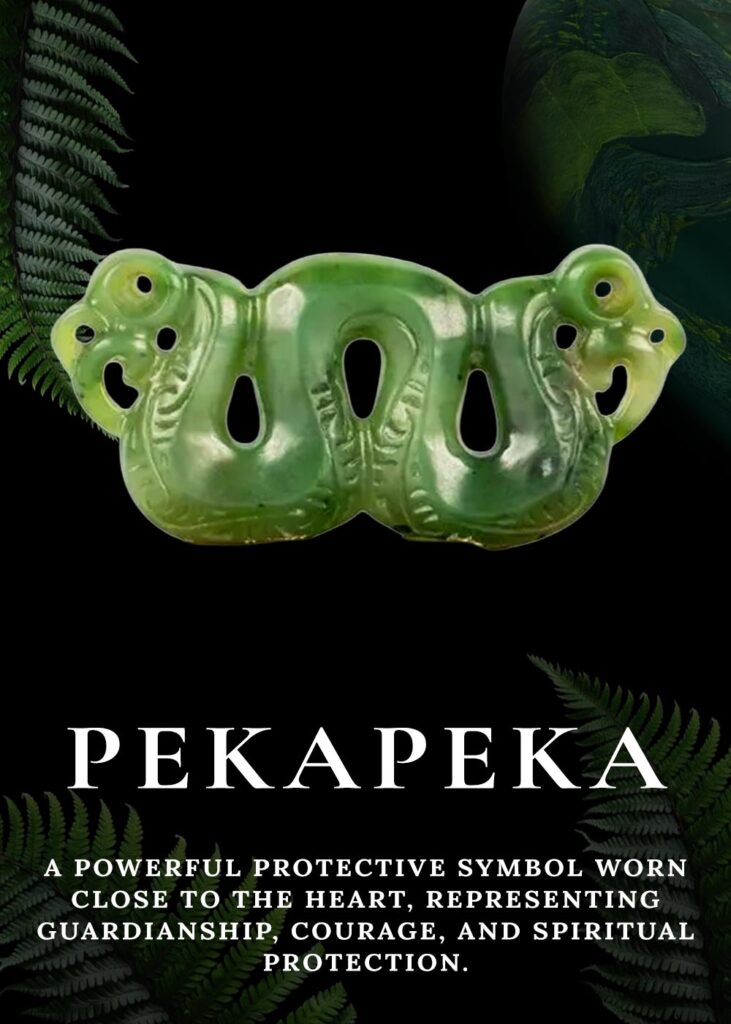
Pekapeka
Represents guardianship and connection between physical and spiritual worlds.
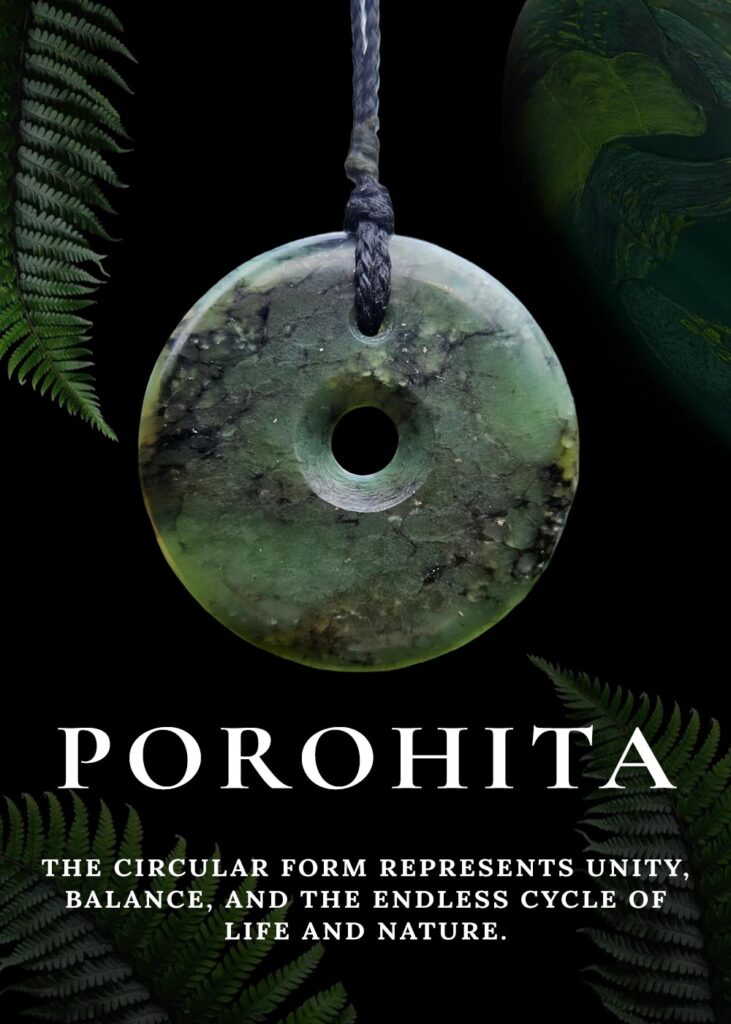
Porohita
Circular design representing unity, eternity, and the cycle of life.
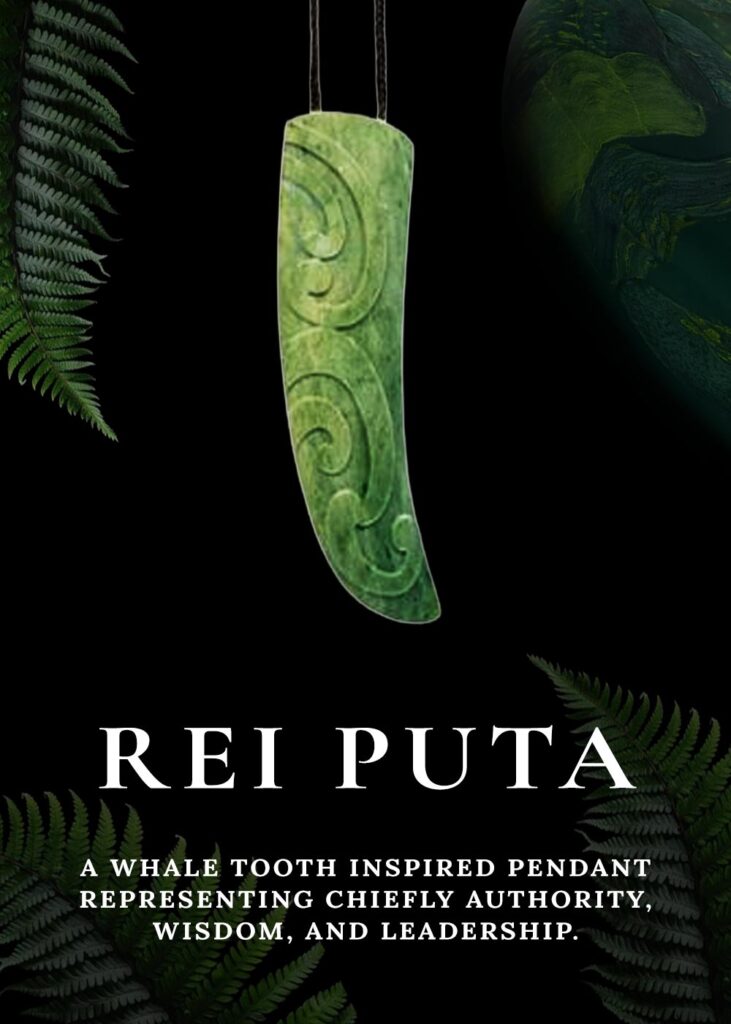
Rei Puta
Symbol of leadership, authority, and respect.
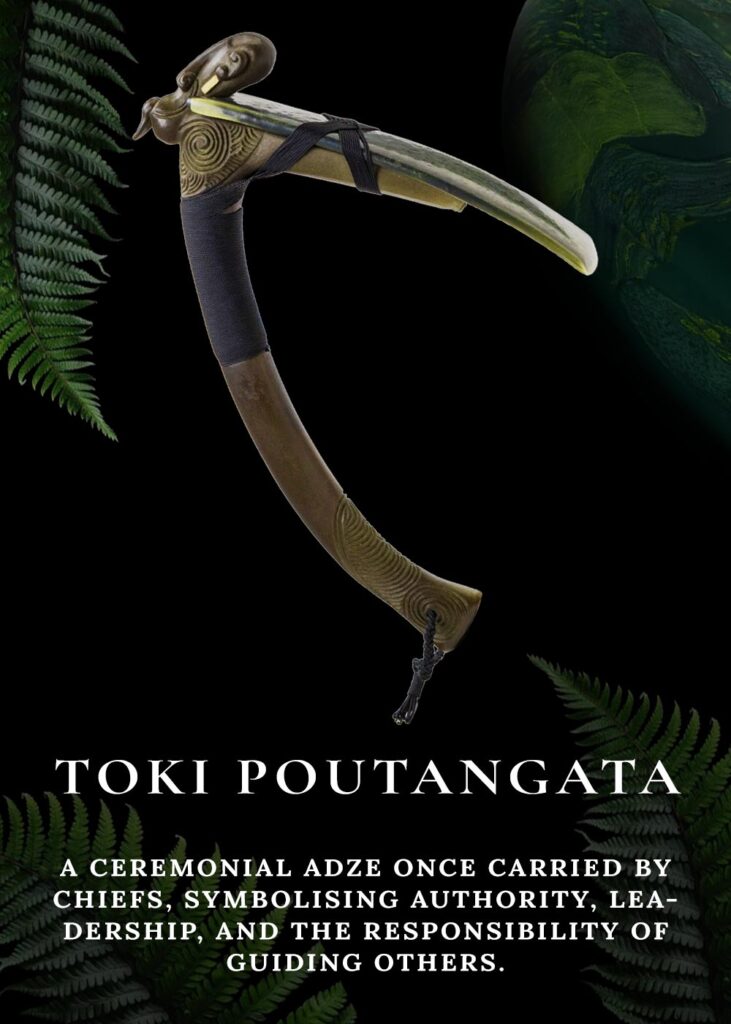
Toki Poutangata
A ceremonial adze symbolising authority, leadership, and wisdom.
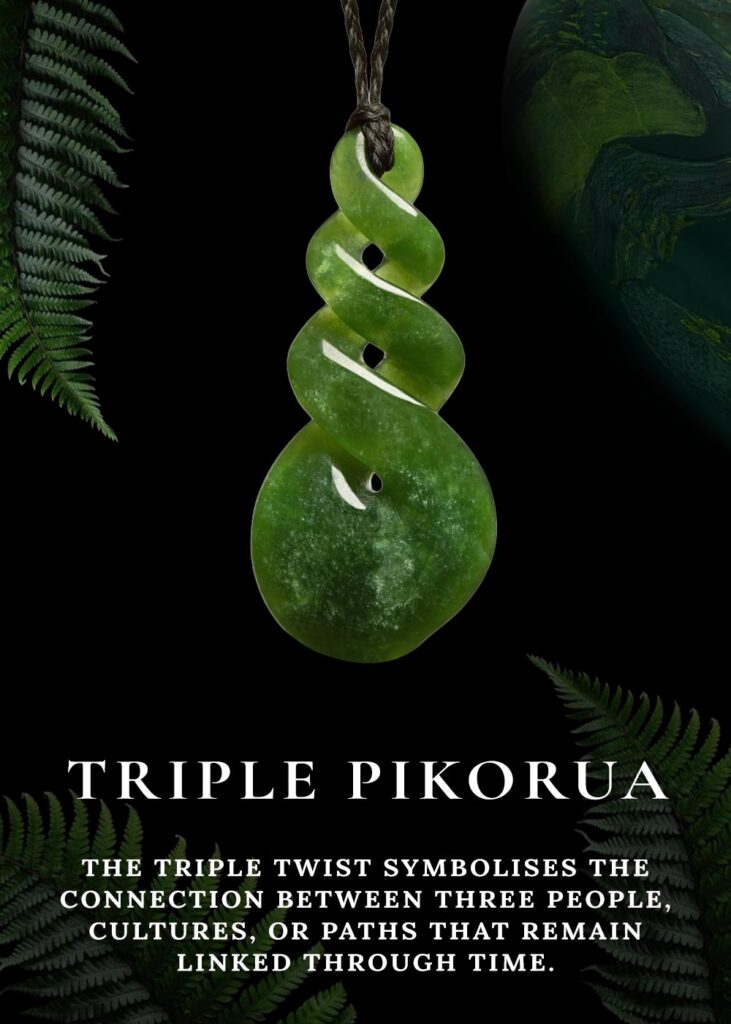
Triple Pikorua
Represents the connection between three people, families, or cultures.
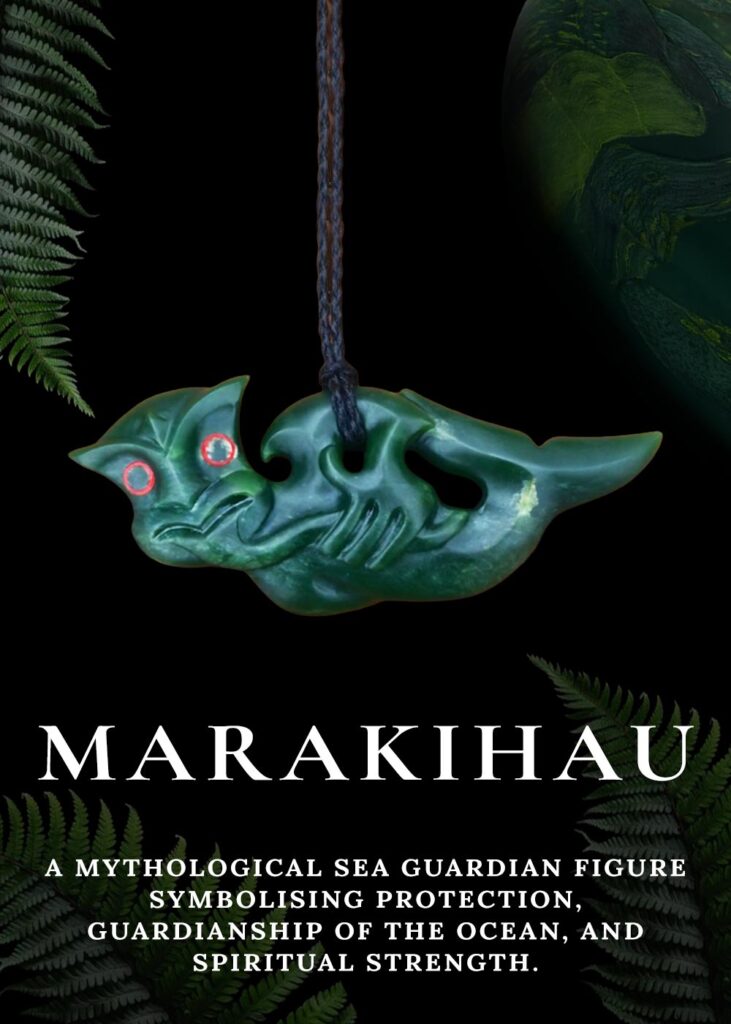
Marakihau
Mythical guardian of the sea and protector of ocean travelers.

Pounamu Resources
Explore authentic greenstone carvers, galleries and shops across New Zealand.
There are many additional forms and variations, including abstract and contemporary designs inspired by traditional motifs. Some carvings are unique to individual carvers or iwi, making each piece distinct.
Modern pounamu designs may blend tradition with personal expression, while still respecting cultural foundations.
When choosing a pounamu design, meaning can be drawn from:
There is no single “correct” meaning. Respect, understanding, and intention matter more than rigid interpretation.
Pounamu design meanings offer insight into Māori values, relationships, and ways of seeing the world. Whether worn for symbolism, connection, or personal significance, these designs carry stories that deepen over time.
Learning about these meanings helps ensure pounamu is appreciated thoughtfully and respectfully.